




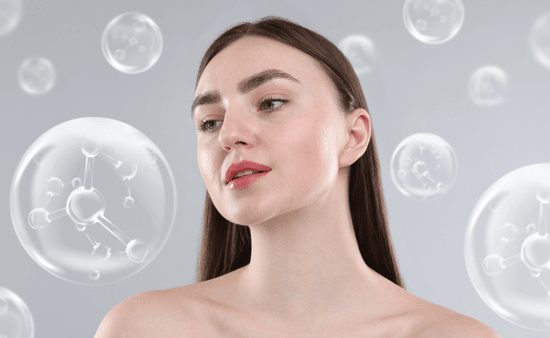
Collagen is the primary structural protein in the human body, acting as the fundamental scaffolding that gives skin its density, elasticity, and structure. During youth, the body manufactures this essential protein abundantly, resulting in a naturally plump and firm complexion.
However, as the biological clock progresses, internal synthesis begins to decelerate. This subtle shift usually starts in a person’s mid-twenties and drops more noticeably in subsequent decades, eventually leading to structural weakness, fine lines, and visible skin laxity.
While the natural reduction of structural proteins is inevitable, the speed of this decline is heavily influenced by external environment and daily habits. By implementing specific lifestyle alterations and targeted nutritional adjustments, it is entirely possible to stimulate internal production and preserve the underlying matrix.
The following text highlights seven evidence-based strategies designed to naturally encourage synthesis and help you maintain a firmer, more resilient complexion over time.
1. Optimize Dietary Amino Acid Intake
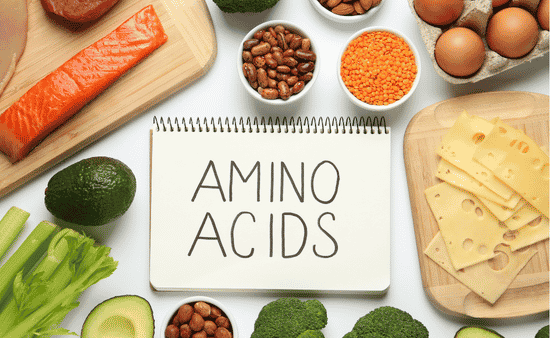
Because collagen is composed of specific amino acids, particularly glycine, proline, and hydroxyproline, the body requires a steady supply of these building blocks to sustain natural synthesis. Without sufficient raw materials from dietary protein, cellular repair and construction naturally slow down.
To support this internal process, incorporate high-quality protein sources into your daily meals. Options such as bone broth, poultry, fish, and eggs provide excellent concentrations of the exact amino acids needed for tissue building. Plant-based individuals can rely on protein-rich alternatives like legumes, quinoa, nuts, and seeds to ensure the body possesses the necessary components to repair the dermal matrix.
2. Abundantly Consume Vitamin C
The body cannot physically synthesize collagen without the presence of vitamin C. This essential nutrient serves as a vital co-factor in the complex cellular process that links amino acids together into durable structural fibers. Furthermore, it functions as a potent antioxidant, protecting existing proteins from premature degradation caused by environmental instability.
Integrating plenty of vitamin C into your daily diet is a straightforward way to facilitate this process. Citrus fruits, strawberries, bell peppers, broccoli, and dark leafy greens are all exceptional natural sources. For an added topical advantage, applying a stable vitamin C serum in the morning under your morning moisturizer helps safeguard the skin surface from daily degradation.
3. Supplement with Hydrolyzed Peptides
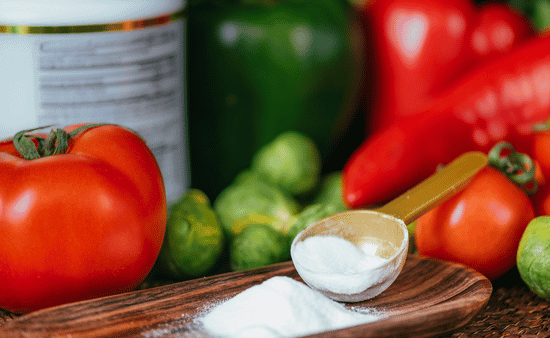
In recent years, the consumption of specialized peptides has gained substantial support within nutritional science. Unlike intact proteins, which are large and difficult for the gastrointestinal system to absorb efficiently, hydrolyzed peptides are broken down into smaller, highly bioavailable chains.
When absorbed, these microscopic fragments travel through the bloodstream and act as messengers, signaling the body to ramp up activity within the cells responsible for structural production.
Regular intake of high-quality marine or bovine peptides has been demonstrated to improve skin moisture levels and enhance overall tissue density. Similar to the way a microneedling pen stimulates the skin’s natural repair processes, collagen peptides support the body from within by encouraging healthier, stronger skin over time.
4. Protect the Skin from Ultraviolet Exposure
Preventing the destruction of existing tissue is just as crucial as generating new protein. Ultraviolet radiation from the sun is the single greatest environmental contributor to structural breakdown, as it accelerates oxidative stress and activates destructive enzymes that chop up healthy dermal scaffolding.
To preserve your skin structure, rigorous daily sun protection is a non-negotiable habit. Apply a broad-spectrum sunscreen with a sun protection factor of 30 or greater every morning, even on cloudy days or when spending time indoors near windows. This protective layer ensures that your body’s structural resources can be utilized for renewal rather than constant damage control.
5. Incorporate Topical Vitamin A Derivatives
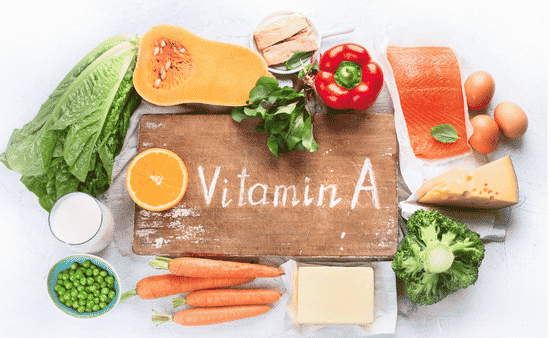
Topical treatments containing vitamin A derivatives, such as retinol or retinal, are highly effective options for maintaining a firm skin appearance. These targeted molecules penetrate the outer layer of the skin to stimulate cellular renewal and actively encourage synthesis at a deeper level.
Because these compounds can occasionally induce initial dryness or mild flaking, consistency and caution are key. Introduce a low concentration once or twice a week during your evening routine, gradually increasing frequency as the skin adapts. Over time, this habit leads to a visibly smoother surface texture and enhanced firmness.
6. Minimize Refined Sugars and Processed Foods
A diet high in processed sugars can directly impair the structural integrity of your skin through a biological process known as glycation. When blood sugar levels spike, excess sugar molecules bind permanently to proteins, creating rigid, dysfunctional structures that weaken the dermal matrix.
Limiting the intake of sugary beverages, pastries, and highly processed snacks helps minimize this destructive process. Focus instead on whole, unrefined foods that keep blood sugar levels stable, thereby keeping your structural fibers flexible, resilient, and capable of functioning optimally.
7. Embrace Advanced Exfoliating Acids
Alpha hydroxy acids, such as glycolic acid or lactic acid, do more than simply remove dull surface buildup. By gently dissolving the bonds holding old cells together, these compounds prompt a natural regenerative response in the deeper layers of the tissue.
Regular use of a mild chemical exfoliant once or twice a week encourages increased cell turnover and indirectly supports structural synthesis. For individuals dealing with complex structural concerns or persistent loss of elasticity, seeking the guidance of a qualified dermatologist in Salt Lake City can provide access to personalized care pathways and advanced professional treatments designed to maximize internal rejuvenation.
Conclusion
Sustaining a firm, youthful complexion requires a balanced approach that combines protective daily habits with intentional internal nourishment. By prioritizing essential amino acids, utilizing target topicals, and defending your skin from environmental stressors, you can successfully influence the rate of natural synthesis. Consistency remains the ultimate key to achieving lasting structural strength and a healthy glow.