





Owning a home is one of the most significant investments you’ll ever make, and protecting it requires consistent, proactive effort. Regular preventive maintenance keeps minor issues from snowballing into costly repairs, extends the life of your home’s systems, and helps maintain your property’s value over time. This guide covers the essential upkeep tasks every homeowner should build into their routine.
Seasonal Exterior Care

Your home’s exterior takes the brunt of weather year-round, which is why seasonal maintenance is so important.
Spring Preparations
After winter, inspect your home’s foundation, siding, and walkways for cracks or damage caused by freezing and thawing. Repaint or reseal any exposed wood surfaces before moisture has the chance to cause rot. Check window and door seals and replace any weatherstripping that has worn down.
Summer Checks
Summer heat can stress your home in different ways. Inspect your deck or patio for loose boards, rust, or structural weakness. Check exterior paint for blistering or peeling, and trim any trees or shrubs that have grown close to the house—these can cause moisture buildup or physical damage during storms.
Fall Winterizing
Prepare your home before temperatures drop. Drain and shut off outdoor faucets to prevent pipes from bursting. Seal gaps around windows and doors, test your heating system early, and stock up on supplies before the first freeze arrives. A few hours of preparation in the fall can prevent thousands of dollars in winter damage.
Maintaining HVAC Systems
Your heating, ventilation, and air conditioning system works hard throughout the year. Neglecting it leads to higher energy bills, reduced comfort, and expensive breakdowns.
Filter Replacement
Replacing HVAC filters is one of the simplest and most impactful maintenance tasks you can do. Dirty filters restrict airflow, strain the system, and reduce indoor air quality. Most standard filters should be replaced every one to three months, depending on usage and the type of filter installed.
Professional Servicing
Schedule a professional HVAC inspection at least once a year—ideally before the heating or cooling season begins. A technician can check refrigerant levels, clean coils, calibrate thermostats, and identify worn components before they fail.
Ductwork Inspection
Leaky or poorly insulated ducts can reduce your HVAC system’s efficiency by up to 30%. Inspect visible ductwork for gaps, disconnected sections, or buildup of dust and debris. Sealing and insulating ducts properly can lead to noticeable savings on your energy bills.
Plumbing and Water Management
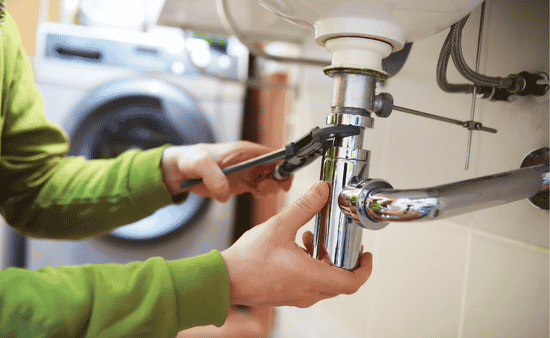
Water damage is among the most expensive problems a homeowner can face. Proactive plumbing maintenance reduces the risk significantly.
Leak Detection
Inspect under sinks, around toilets, and near appliances regularly for signs of moisture or water staining. Even a slow drip can cause mold growth and structural damage over time. Check your water meter when no water is in use—if it’s still moving, you likely have a hidden leak.
Drainage Solutions
Poor drainage around your home’s foundation can lead to basement flooding and soil erosion. Keep gutters and downspouts clear and direct water away from the foundation. For persistent drainage issues, consider consulting a plumbing contractor in Murray, Utah, or a local specialist in your area who can assess and address the problem professionally.
Water Heater Maintenance
Flush your water heater annually to remove sediment buildup, which reduces efficiency and shortens the unit’s lifespan. Check the pressure relief valve to ensure it’s functioning correctly, and inspect the anode rod every few years—replacing it when needed can add years to the unit’s life.
Electrical System Safety
Electrical problems are a leading cause of house fires, making routine checks a non-negotiable part of home maintenance.
Panel Inspection
Have a licensed electrician inspect your electrical panel every three to five years. Look for signs of corrosion, tripped breakers, or breakers that feel warm to the touch. If your home is older and still uses fuse boxes or has outdated wiring, upgrading should be a priority.
Outlet and Switch Checks
Test all outlets periodically, especially ground fault circuit interrupter (GFCI) outlets in kitchens, bathrooms, and outdoor areas. These outlets protect against electric shock and should be tested monthly by pressing the test and reset buttons. Replace any outlets or switches that feel warm, make crackling sounds, or show scorch marks.
Appliance Cord Care
Inspect power cords on major appliances for fraying, cracking, or damage. Never run cords under rugs or furniture where heat can build up undetected. Damaged cords should be replaced immediately—never taped over or ignored.
Roof and Gutter Protection
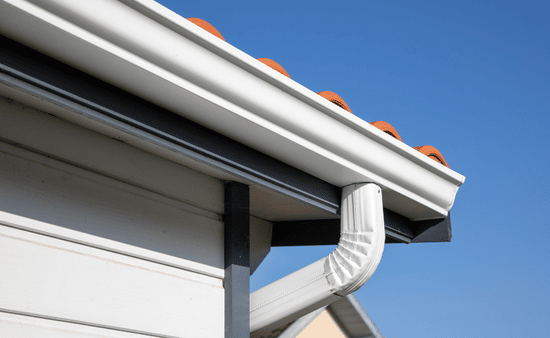
Your roof is your home’s first line of defense against the elements. Keeping it in good condition prevents water intrusion and structural damage. Understanding why roof lifespans vary for homes in Brockton can also help homeowners make informed maintenance decisions, as factors such as weather exposure, roofing materials, and installation quality all influence how long a roof will last.
Regular Cleaning
Clear gutters and downspouts at least twice a year—once in late spring and again in fall after leaves have dropped. Clogged gutters cause water to back up under shingles and along the fascia, leading to rot and leaks.
Damage Inspection
After major storms, visually inspect your roof from the ground for missing, curling, or cracked shingles. Inside the attic, look for daylight coming through the roof boards or signs of water staining on the insulation and rafters.
Professional Roof Review
Even if your roof looks fine from the ground, a professional inspection every three to five years is worth the investment. Roofers can identify issues that aren’t visible from below and recommend repairs before they escalate to a full replacement.
Appliance Lifespan Extension
Well-maintained appliances run more efficiently, break down less often, and last significantly longer.
Kitchen Appliance Care
Clean refrigerator coils once or twice a year to maintain cooling efficiency. Replace the water filter in your refrigerator on schedule. Keep your oven and stovetop clean to prevent grease buildup that can become a fire hazard. Inspect dishwasher door seals for wear and clean the filter regularly. Using natural kitchen cleaners for routine maintenance can also help remove grease, food residue, and odors while reducing exposure to harsh chemicals.
Laundry Unit Maintenance
Clean the lint trap in your dryer after every load, and have the dryer vent duct cleaned annually—lint buildup in the vent is a common cause of house fires. For washing machines, inspect hoses for bulging or cracking every year and replace them every five years as a precaution.
Other Household Appliances
Don’t overlook smaller appliances and systems. Test smoke and carbon monoxide detectors monthly and replace batteries at least once a year. Clean or replace range hood filters regularly. Check sump pumps before the rainy season to ensure they’re operating correctly.
Conclusion
Preventive maintenance is about anticipating problems before they become emergencies. By committing to a regular schedule of inspections and upkeep across your home’s exterior, HVAC, plumbing, electrical systems, roof, and appliances, you’re actively protecting the value and safety of your property.
These efforts reduce the likelihood of costly emergency repairs, improve energy efficiency, and extend the life of your home’s most important systems. A proactive approach to home care doesn’t require a large investment of time or money—it requires consistency. Build a simple maintenance calendar, tackle tasks season by season, and your home will reward you with fewer surprises and greater long-term comfort.