



analytics = 833.322.6760, 8448520347, 800 notes, 7168738800, 8005113030, 8662783536, 9525620902, 8333163276, 9133123280, 8558425860, 8777640833, 2567447500, 18669852273, 8559977348, 8775895169, 6123010199, 8777458562, 8447297641, 8556792141, 5018218349, 6468760617, 8559712260, 8557390856, 8339310230, 3106677534, 8339842440, 9547875035, 6163306276, 18004441676, 8558348495, 7864225581, 9094067513, 8602739995, 18339793337, 8553020376, 9513245248, 5164226400, 2675259887, 8339060641, 8139469478, 2486022768, 2064395787, 5595330138, 5127649161, 8163354148, 5165660135, 9723750568, 2085144125, 18559694636, 5028227768, 5104709740, 2107644963, 9513947262, 8772865954, 6266570594, 8442891118, 8008280146, 7714445409, 8664368150, 18006951063, 8779140059, 8017425882, 2245434298, 4234820546, 8442712583, 9547434255, 8445073876, 18662058022, 18004367961, 8445369495, 8448747445, 9513895348, 8017835887, 9136778319, 5095810139, 18005271339, 6178265171, 8338428100, 4699988648, 8337030945, 5132830807, 8669072272, 7027650554, 18003959733, 8882288896, 8007017918, 8882961958, 9164315240, 3134238040, 8333859445, 8885090457, 8008399369, 9183984181, 6125681561, 8555737348, 7035746171, 9804026136, 3392036535, 8014388165, 8339124265, 2484556960, 8652940491, 6788532772, 18002319631, 4432611224, 5174402172, 5166448345, 8574156189, 9208318998, 2814084487, 3237827205, 9035937800, 6147636366, 8886375121, 18667153526, 6156855230, 9133120992, 6027675274, 8326849631, 6363626977, 8014388261, 6163306271, 5128465056, 6164252258, 8008994047, 6506189519, 5133970850, 8006601779, 8668010144, 8555894252, 6163177933, 4079466140, 8655460256, 18884209943, 3464268887, 8442449538, 7043866623, 8444211229, 8102759257, 4345281742, 9493175442, 4123879299, 8382211532, 3309133963, 5109849896, 8556482575, 7072899821, 2014658491, 6032157860, 7628001252, 2082327328, 3522492899, 972-476-8208, +1 (800) 555-0433, 7753840563, 4694890551, 8327349150, 2702971125, 8008545695, 6106006953, 2146516900, 9037651217, 7047058890, 8668219635, 8033391481, 9592307317, 8595594907, 8332685291, 8555710330, 8778334675, 2102440850, 18008778623, 9513387286, 4029339118, 6103444430, 8662222197, 7273618338, 6159840902, 8555154190, 8668418679, 8338780449, 5417666200, 9185121419, 3237160444, 3606338450, 6198259510, 8888570668, 8083399481, 18668404246, 9032130471, 18007457354, 8662900505, 9512277184, 14075830183, 877-613-7414, 8669145806, 8884135452, 8339870385, 5412621272, 4085397900, 4049960554, 9043278492, 8008109337, 3148962604, 2625778200, 2533722173, 7702240355, 2602796153, 8442568097, 4045674598, 8778135595, 6627789116, 8666148679, 432.535.3346, 8552199473, 18008784733, 8656696225, 4172640211, 2694480187, 8004800186, 8728107133, 8554290124, 8445417310, 8088094977, 3854774827, 6149229865, 8558318013, 8886227328, 8669289240, 2162086661, 8449263585, 8656868483, 9126165004, 4342647097, 4698902115, 9738424694, 8009249033, 8662962852, 8004836205, 7637606200, 9549534317, 9085288998, 8665592621, 9097290670, 8885365114, 6282074108, 9515725134, 9725268500, 18886918661, 4028589809, 5135840000, 9542026998, 3606338409, 3392120655, 9375304801, 4699825009, 7158365720, 7133540191, 5176576800, 7015400761, 8007620276, 7314100312, 8133644313, 4014142386, 8556829141, 18003473764, 5163279500, 2177711746, 8338394140, 8008442881, 8442356275, 9737509291, 8053218829, 5138030600, 866.266.1445, 18667066894, 18448302149, 9592998000, 8668518500, 3618257777, 8132108253, 9134285296, 18667331800, 6182062806, 6196931509, 5052530598, 2692313137, 8322632311, 4089635659, 3122340781, 8665270007, 8884315114, 8327010295, 8886230286, 18337632033, 7276978680, 8662847625, 7046297142, 5709082790, 6176829138, 18663243120, 18888447979, 833-793-2634, 3146280822, 2817169800, 8003966861, 2092152027, 8772379648, 8779100501, 6304497394, 6613686626, 7864325077, 8667061341, 8443168434, 18007793351, 2816679193, 6182213001, 8165459795, 800-660-1779, 3865648082, 4057539884, 6304757000, 8665212613, 8339014153, 4018686200, 7177263148, 8446717272, 6026889985, 6122950822, 18775007697, 8727025274, 877-870-8046, 4107533411, 8594902586, 3175548779, 4023164651, 8442409757, 6155909241, 4692706636, 8447089406, 2183167675, 9367097999, 18003239865, 5107750767, 8336411330, 8666136856, 8776137414, 5048420550, 8174924769, 409-761-7631, 8772810415, 6175170000, 6176447300, 516-644-8345, 8014388150, 8014363101, 8446600349, 8445720731, 8446012486, 9529772019, 8004160599, 2105867691, 8174761844, 8777665220, 3606338365, 2159873706, 8126413070, 7578520784, 2155830758, 2133442341, 8014388461, 8556302480, 9013702057, 6467622601, 7083655202, 1-877-870-8046, 2505814253, 8152877145, 2173264646, 7654422019, 8442677109, 844-306-7833, 8775787552, 8624140848, 8555422416, 9544406856, 8009410164, 2193102036, 3237460973, 8332178326, 8133207059, 18003105587, 8178548532, 8772595779, 8044452446, 8336852203, 5136555021, 8042933450, 713-332-2838, 8556769075, 8447100373, 8446180908, 6512551000, 6144058912, 8332891205, 8336370667, 8124350998, 7133537813, 312-653-2073, 7083919045, 5403084012, 9529790948, 2177491008, 4079466142, 8333880562, 6183319022, 8776363716, 8012367598, 2816916103, 5165029686, 6087759139, 9045699303, 5614348400, 9085056898, 9297441323, 18002201614, 844-391-1092, 3364387172, 4708878685, 9803167472, 2093324588, 4052173481, 3055038807, 9044785041, 7137309500, 9513707315, 18002378990, 6232238196, 5026653794, 4057240741, 9543793034, 8884700655, 9512521067, 5703752113, 9299952002, 2565103546, 8134486919, 6266390332, 4049650560, 5303227024, 5106464099, 4075457432, 18663524737, 8887278618, 8084899138, 5082518001, 3183544193, 8037168112, 4807508966, 8586578575, 2095506110, 18008898740, 5416448102, 8666687301, 919.214.5402, 5864987122, 6302429143, 9547459648, 4844836206, 7145099696, 8665838119, 8004439164, 8007082736, 8779949115, 8003280355, 4085982269, 424.385.0597, 4054483292, 4694096508, 18884534330, 4844522185, 3606338412, 7133322838, 8007430511, 4703975724, 8082130841, 18662916365, 8664482002, 5707403282, 4072037536, 8332665655, 8557074599, 18555013051, 8668446972, 5128425148, 8337932634, 8329751010, 6156759252, 7173219013, 5165660134, 6152482618, 888-785-2471, 8553395442, 7204563710, +1 (312) 653-2073, 8339833264, 8555159372, 8448348551, 8665207789, 4072357388, 8883237625, 8014388316, 5622422106, 412-405-6064, 7657513244, 4089773512, 4176225719, 866.376.4584, 8166310333, 4122148544, 5702803018, 8667677603, 5407317304, 8054296716, 9712734028, 5102572527, 18776898870, 2075485013, 8559590200, 9545058434, 9089558128, +1 (320) 207-5189, 8447553258, 8662261020, 7135568949, 6303879597, 4149558701, 7209152170, 8008298374, 8558078675, 8666136857, 8669972488, 2014623980, 8013365041, 7083164009, 6622553743, 4158519136, 8339721292, 18008994047, 201-462-3963, 8887852471, 7702823288, 18007450572, 2672232367, 8333425412, 8008423225, 6516034340, 9044210685, 3032423254, 8777708065, 8043123644, 5138600470, 4073030519, 18009359935, 9152453436, 3308355902, 4125577457, 5183636075, 3362525901, 18663902348, 8143590227, 18009145582, 8172104278, +1 (866) 593-3926, 2105201454, 8332316512, 866.914.5806, 866-613-6857, 7819276501, 8332819623, +1 (866) 613-6857, 5135696117, 6506819470, 6147320721, 866-702-4725, 6266577222, 4055638384, +1 (614) 890-1025, 9036860067, 2816701587, 2487855500, 8442006330, +1 (623) 462-7106, 8666746861, 7158988041, 877 770 8125, 7343485117, 9727530822, 8776380175, +1 (866) 914-5806, 6126721631, 18003653234, 9512237966, 5702771040, 5025155312, 7172515048, 18005303790, 214-226-9139, 8889764904, 4025595100, 8448439155, 8016192557, 6083255121, 2403122052, 8335841371, 4044133261, 8324583317, 6233529406, 5208663325, 8776421554, 8014075254, 877 613 7414, 18005284800, 5135723375, 5034614545, 206-453-2329, 801-413-7200, +1 (855) 283-3957, 8004351415, 18888002527, 8776236765, 5094747159, 6036681119, 4086921193, +1 (877) 647-8551, 8087680000, 8337002510, 7174070772, maxwell and bryant group, 8668594380, 7177896033, 7208481788, 866-914-5806, 18009220204, +1 (888) 994-2320, 18003683110, 8666484519, 2107829213, 8882795504, 662-255-3743, 5052779866, 7172968088, 7756877101, 800-276-3744, 18004321000, 8883731969, +1 (800) 530-3790, 6157471813, 6788062977, 402-220-1248, 9525630843, 8662855312, 8776918086, 877-417-4551, 877-770-8125, 8884640727, 8435820002, 8884141045, 5202263623, 8339901915, 8559731040, 4043853637, 888-991-5696, +1 (877) 770-8125, 6158007010, 888-250-7027, 8889346489, +1 (888) 993-2902, 8003318859, 2252143974, 8442449425, 7144490377, 8014137200, 8333725815, +1 (800) 435-1415, 6097982556, 8155179338, 3158495499, 4014446877, 9472221080, 18009454701, +1 (888) 611-6904, 8553308653, 855-581-1994, 4243459294, 866-716-9062, 6468882001, 866-680-8628, +1 (978) 938-4194, 201-462-3980, 855-419-7365, +1 (847) 426-9203, 7033320600, +1 (800) 988-8019, 8888922253, 888 266 2278, 8003973342, 8884864722, 8009220204, 7205366300, 7136965500, 866-593-3926, 9514254239, 2069220880, 5732452104, +1 (800) 654-8818, 7632743899, 916-545-8389, 888 934 6489, 5627253046, 7175316640, 877-556-9255, +1 (540) 546-0824, 978 444 5700, 8888023080, 4014303033, 8008757159, 206 453 2329, 855-330-8653, 3462149844, 8659469900, 1-800-388-5512, +1 (206) 922-0880, 4433979200, 8667620558, +1 (866) 348-6231, 5712932365, 6786662731, 1-800-432-1000, 5043842543, 8434384166, +1 (888) 899-6650, 8777284206, 6152130831, 8002760901, 8663486231, 2128459525, 8009520270, 8885130708, 18004365657, 888-899-6650, 8005550433, 8338950323, 8559422422, 8009552292, 4845263150, 8595929161, 3602199415, 402 935 7733, 8558998232, 8888426328, 18009398164, 18002818274, 4122676767, 4179900203, +1 (800) 528-4800, 18886166411, 8004517269, 5705590121, 5157353419, 921 area code, +1 (888) 373-1969, 8015260950, 4077322416, 6788532430, 513-831-2600, 888-373-1969, 18003801196, 8442437370, +1 (404) 806-4811, 8886890122, area code 531, +1 (800) 946-0332, 707, 888 373 1969, 6178788190, 8558369705, 248-434-5508, 844 area code, 8552073383, 1111111111, 2257653120, 6189446426, 6292588750, 800-922-0204, 18009346489, 407-732-2416, 5136961920, 18669544405, 9199147004, 8442069035, 480, 18335421564, 6148901025, +1 (800) 608-2581, 800 922 0204, +1 (888) 486-4722, po box 247001, 9043807465, 612-815-5000, 6105462466, 18336421007, 18009228228, 235 area code, 18002823214, +1 (877) 647-8552, 8777335189, 3333, 8009200482, 8552780432, 8332076202, 365 area code, 639 area code, 18666201302, 18003472275, 763-274-3899, 8558590047, 18003047265, 8886116904, 7139369494, 18008887243, 6126722492, 3139607914, 8665160115, area code 639, +1 (800) 955-6600, 8009888019, 18005237020, 8669288598, 3372695110, 18448238902, 8666808628, 8336977328, 8774220763, 5107474557, 9133863627, 8008420588, 8556148530, 8009420854, 8663287946, 8888399638, 18005567677, 2069267485, 1-800-745-7354, 5405460589, 8654706200, 8664683371, 18003973342, 3202075189, 8009200477, 800-528-4800, area code 825, +1 (800) 943-2189, 5095528142, 438, 984, 18662525777, 18002965598, 18003151907, 18887291404, 8005284800, 8003371809, 8008870224, 8779020006, 844-206-9035, 8655237183, 7342320000, 9999999999, 888-611-6904, 18009001361, 18007771681, 8002149506, 999-999-9999, 8009556500, 5039458199, callerescort, 2815176333, 18667465501, 18006347404, 6233529402, 8552296544, 8889942320, 18009556600, 8008693557, 8664548855, 5405460824, 8665933926, 8554197365, 8448268400, area code 204, 8667679323, 8665728798, 8008456167, 6303837266, 9512432271, 866 area code, 8664084070, 8002799032, 888-802-3080, 781-694-9000, 18005328082, 888-934-6489, 8666740156, 8056377243, 1223, 2163489700, 8339342639, 18887106818, 8004633339, 2064532329, 8004321000, 18003145524, 18002045785, 7817966000, 8339140595, 8668586729, 18002763214, 8889417233, 8557077328, 226 area code, 8009460332, 805-637-7243, 866-712-7753, 781-566-8000, 204 area code, 18882662278, 800-845-6167, 8008600644, 877.714.1509, 18003182596, 201, 8776478552, 8008520411, 8009666546, 7816569000, 800-463-3339, 9784445700, 800 955 6600, 1-800-865-9408, 800-966-6546, 8664300311, 844-466-5519, 800-655-2265, 5138312600, 1-800-522-5633, 8556248963, 8665359492, 8882662278, 800-227-4825, 1-800-227-4825, 8882804331, 1-833-275-3287, 800-955-6600, 3343963000, 855-707-7328, 866-858-6729, 8662581104, 18007332767, 3123804033, 800-288-2020, 8337351894, 7815668000, 6174885400, 410-965-1234, 1-800-925-6278, portfoliorecov, 8009432189, 8667127753, 833-267-6094, 888-266-2278, 8883347978, 866-258-1104, 8009505114, 8884694520, 800-292-7508, 877-242-7372, 813 area code, 8662387212, 1-800-955-6600, 8553376884, 609 area code, 8008413000, *86, 1-800-937-8997, 5278, 8009556600, 888-469-4520, 312-380-4033, 8009557070, 470 area code, 800-279-9032, 18003280355, 844-227-5237, 1-800-841-3000, 8167127753, 1-800-528-4800, 1-800-463-3339, 1-800-935-9935, 71924449671, 8882211161, 18007241633, 8008232318, 1-800-837-4966, 402-935-7733, 18002241591, 800-823-2318, 21038516219, 1-877-825-3242, 800-925-6278, 1-833-873-8237

6 Safety Checks for Heating Systems in Massachusetts

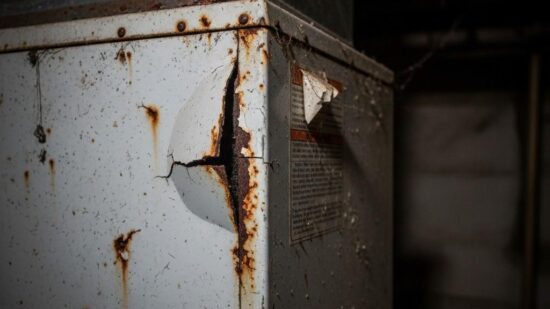
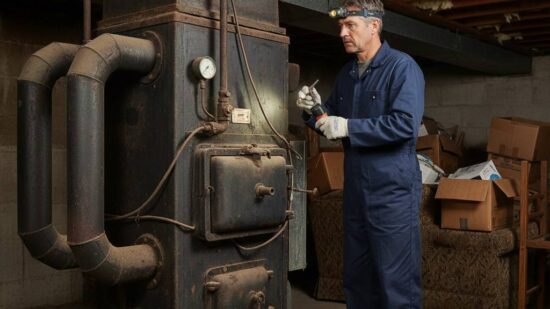
Proper heating system safety checks protect homes, ensure comfort, and maintain reliable seasonal performance. Timely inspections prevent system faults, support efficient operation, and maintain consistent indoor conditions. Schedule a professional inspection now to maintain safety standards across Massachusetts properties.

Regular maintenance services, including heating services Massachusetts, address essential safety factors before seasonal demand increases. These services identify faults early, maintain system balance, and support long-term operational reliability. Properties benefit from structured inspections that match regional climate demands.

1. Thermostat Calibration Ensures Stable Indoor Temperature

Accurate thermostat calibration maintains stable indoor temperatures across varying seasonal conditions in Massachusetts. Incorrect settings create uneven heating patterns and reduce system efficiency over time.

Professional calibration checks confirm sensor accuracy and ensure correct communication with system components. Consistent readings support energy balance and prevent excessive system cycling. Regular calibration maintains dependable comfort throughout homes during colder months.

2. Air Filter Condition Affects System Efficiency
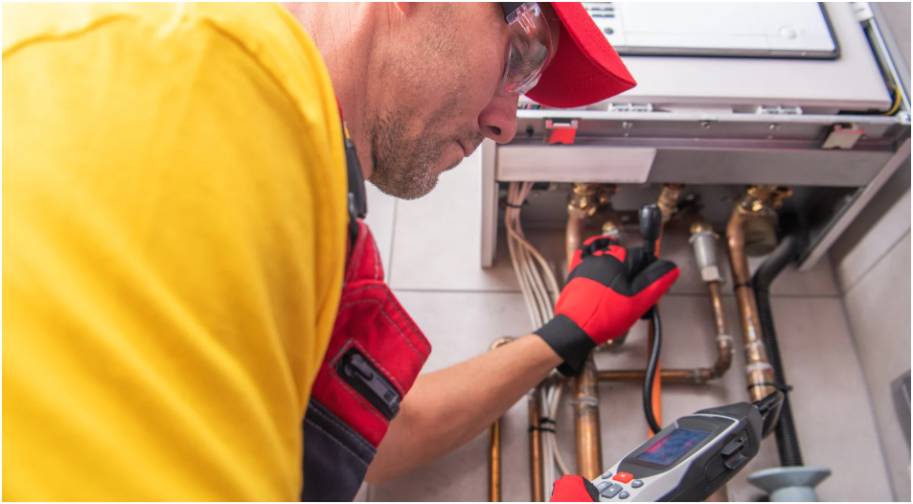
Air Filter Condition Affects System Efficiency

Clean air filters allow proper airflow and maintain efficient system performance across Massachusetts properties. Blocked filters restrict airflow, reduce heat distribution, and increase strain on internal components. Regular inspection ensures filters remain free from dust accumulation and debris buildup.

Proper airflow supports balanced heating output and maintains consistent indoor air quality. Maintenance routines depend on clean filter conditions for optimal system performance.

3. Heat Exchanger Inspection Prevents Safety Risks
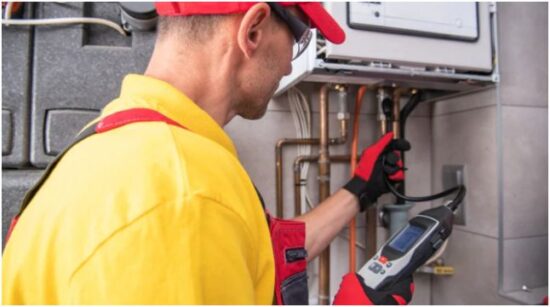
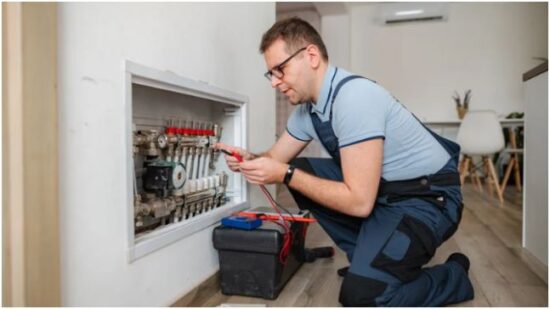
Heat Exchanger Inspection Prevents Safety Risks

The heat exchanger plays a critical role in safe heating system operation across households. Cracks or corrosion within this component may lead to hazardous gas exposure. Detailed inspection identifies structural weaknesses and ensures safe heat transfer during operation.

Early detection prevents severe damage and maintains safe indoor environments. Secure exchanger conditions support dependable heating system function across properties.

4. Ventilation and Exhaust Flow Maintain Safety

Effective ventilation systems remove combustion gases and maintain safe indoor air conditions across homes. Blocked vents restrict exhaust flow and increase safety risks within enclosed spaces. Inspection confirms clear pathways and proper exhaust discharge from heating systems.

Balanced airflow supports safe combustion and prevents harmful gas accumulation. State regulations emphasize proper ventilation standards for all residential heating systems.

5. Electrical Connections Ensure Stable System Performance

Electrical connections control system operations and ensure consistent heating output throughout properties. Loose wiring or faulty controls disrupt performance and create safety concerns during operation. Inspection verifies secure connections and confirms proper function of control systems.

Stable electrical flow supports system efficiency and prevents unexpected shutdowns. Consistent heating system operation across homes depends on well-maintained electrical components.

6. Gas Line Integrity Prevents Leakage Hazards
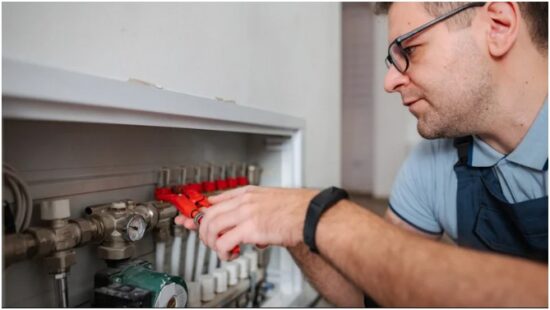
Gas Line Integrity Prevents Leakage Hazards

Gas line integrity remains essential for safe heating system operation across residences. Small leaks may create serious safety risks and disrupt normal heating performance. Inspection confirms secure fittings, proper pressure levels, and leak-free connections throughout the system.

Accurate testing ensures safe fuel delivery and consistent heating output. The state’s safety standards require thorough gas line evaluation during regular maintenance checks. These are some key considerations as warning signs of electrical issues you might be facing in your homes.

Heating system safety checks maintain comfort, efficiency, and secure operation across Massachusetts residential properties. Scheduled inspections address critical components and ensure consistent system reliability during colder months.

Consider professional maintenance services, including heating services Massachusetts, to maintain optimal system performance. Early inspection scheduling supports dependable operation and protects property value. Reliable heating systems contribute to long-term safety and consistent indoor comfort.


More From Author

Solo But Strong Essential Tips for Single Moms

Solo But Strong: Essential Tips for Single Moms

What Happens When You Skip HVAC Maintenance

What Happens When You Skip HVAC Maintenance?

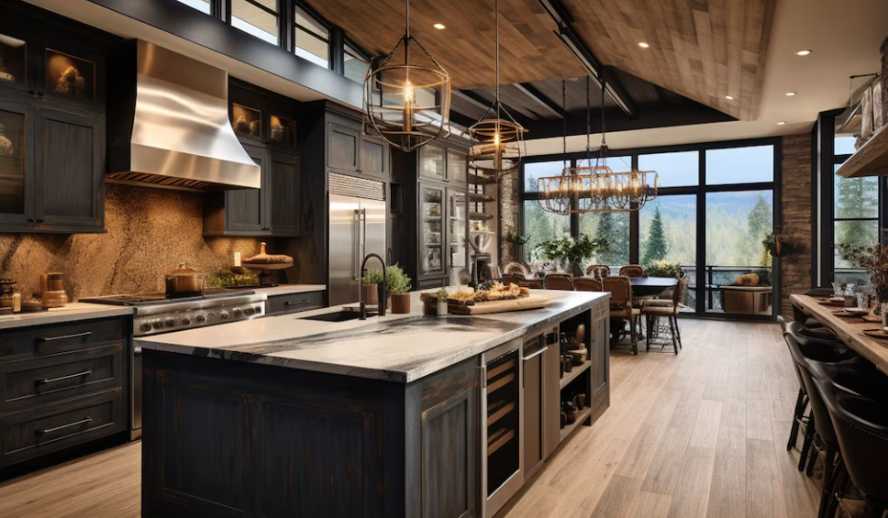
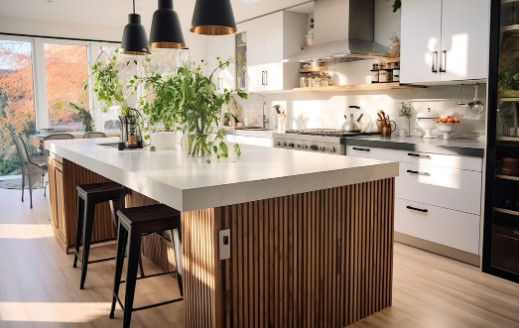
How Homeowners Can Benefit From Kitchen Remodeling Done by a Handyman in Coon Rapids

For many homeowners in Coon Rapids, the kitchen is the true center of the home. It is where mornings start with a quick breakfast and evenings wind down with family dinners. Over time, however, this busy space can start to feel worn out or outdated.

A full-scale renovation with a general contractor can seem too expensive and disruptive. This is where a local handyman offers a practical and appealing alternative for kitchen upgrades.

The Value of Professional Help for Kitchen Updates

A coon rapids handyman brings a broad skill set that is perfect for the variety of tasks a kitchen remodel requires. Instead of coordinating multiple specialists, homeowners can work with one professional who handles everything from repairs to installations.

This professional understands the specific styles and needs of homes in the Coon Rapids area. They can offer practical advice on what updates will add the most value to a home.

This approach turns a potentially stressful project into a smooth and manageable process. A thoughtful approach like this supports designing a home that grows with your family’s needs, rather than making short-term fixes.

Boost Home Function and Daily Flow

Boost Home Function and Daily Flow

The main goal of any kitchen update is to make the space work better for the people who use it every day. A handyman can install new cabinet hardware that makes drawers glide open with ease. They can replace a dated faucet with a modern model that simplifies washing large pots.

Repairing a wobbly cabinet door or fixing a slow-draining sink removes small daily frustrations. These functional improvements create a kitchen that feels more efficient and enjoyable to use.

Increase Property Value Without a Full Renovation

Homeowners in Coon Rapids looking to sell or simply build equity can benefit from targeted kitchen improvements. A handyman can refresh the look of cabinets with a new coat of paint or by replacing the doors entirely.

Installing modern light fixtures or a new backsplash can dramatically change the room’s appearance without a major investment. These updates make the kitchen more attractive to potential buyers. Such strategic projects often deliver a strong return on investment by boosting the home’s overall market appeal.

Address Minor Repairs Before They Grow

Kitchen remodeling often reveals smaller issues that need attention, such as a leaky pipe or a loose floor tile. A coon rapids handyman is well-equipped to handle these repairs during the update process. Fixing these small problems promptly prevents them from turning into costly water damage or structural concerns later.

This proactive care helps maintain the integrity of the kitchen for years to come. It gives homeowners peace of mind knowing their refreshed space is also sound and secure.

Enjoy a Personalized and Cohesive Look

Enjoy a Personalized and Cohesive Look

A handyman helps homeowners achieve a custom look that suits their personal taste. They can install open shelving for a modern feel or replace trim to match the home’s existing character. The work is done with attention to detail, ensuring everything fits together properly.

This results in a kitchen that feels thoughtfully designed and put together. The final look is a space that reflects the homeowner’s style while functioning perfectly for their family.

Choosing a handyman for a kitchen remodel in Coon Rapids is a smart move for practical and financial reasons. It allows homeowners to improve their daily living space without the high cost of a full renovation. The process addresses both aesthetic desires and necessary repairs in one efficient project.

With a professional handling the work, the result is a kitchen that feels new and works wonderfully. Homeowners can then enjoy a beautiful and functional heart of their home for many years.

More From Author

Designing a Home That Grows with Your Family's Needs

Designing a Home That Grows with Your Family’s Needs

The Science Behind High-Performance Materials in Industry

The Science Behind High-Performance Materials in Industry

Designing a Home That Grows with Your Family’s Needs

When you build or remodel a house, you want it to last a lifetime. Family dynamics change constantly over the years. Toddlers become teenagers, and adults eventually reach their senior years. A truly great house adapts to these shifts without requiring constant, expensive renovations. Planning for the future now saves you significant time and money later.

The Core Principles of Adaptable Layouts

The Core Principles of Adaptable Layouts

The concept of a flexible living space revolves around anticipation. You must look past your current situation and imagine how your daily routine will function ten or twenty years from now. Rooms should serve multiple purposes depending on the decade.

Structural choices made during the initial build determine how easily the property accommodates new life stages. Simple foresight turns a rigid floor plan into a dynamic environment.

Planning for Changing Space Requirements

A family requires different amounts of space as children grow and eventually move out. Thoughtful room placement makes transitions seamless.

Flexible Room Functions

A room near the primary bedroom might start as a nursery. A few years later, that same room works perfectly as a playroom for active toddlers. Eventually, you can convert it into a quiet home office or a comfortable guest bedroom.

By keeping the design neutral and avoiding highly specific built in features, you allow each room to evolve naturally alongside your family. Avoid permanent fixtures that lock a space into a single use. Instead, use movable furniture and smart storage solutions. This approach gives you total freedom to redefine the area whenever necessary.

Open Floor Plans for Connection

Open Floor Plans for Connection

Removing unnecessary walls  and a raised roof creates an open flow between the kitchen, dining area, and living room. This layout helps parents keep an eye on young children while preparing meals. Later, the same open space provides plenty of room for entertaining large groups during holidays or celebrations. Open spaces also make navigating the house much easier for everyone, preventing traffic jams in narrow areas.

Ensuring Long-Term Accessibility

Safety and ease of movement become major priorities as family members age. You want every person to feel comfortable moving around the house.

Designing Wider Walkways

Designing Wider Walkways

Standard interior doors sometimes restrict movement. Upgrading to wider doorways and broader hallways during construction adds very little to the budget. However, this simple change makes a huge difference later. Wide paths easily accommodate strollers, moving boxes, and eventually mobility aids like walkers or wheelchairs.

Navigating Multiple Levels

Two story houses often present challenges as stairs become difficult to climb. Designing a stacked closet setup on each floor provides an excellent solution. You can use these closets for storage right now. If climbing stairs becomes an issue later, this empty vertical shaft is ready for a lift.

Adding small home elevators from St. George, UT, or similar growing communities allows older adults to bypass stairs safely. Planning the structural space ahead of time keeps future installation costs incredibly low.

Upgrading Safety in Bathrooms

Bathrooms require special attention when planning a forever house. Water makes surfaces slippery, increasing the risk of falls for people of all ages. Installing reinforcement boards behind bathroom walls allows you to mount grab bars securely in the future. Choosing a walk in shower rather than a high bathtub eliminates a major tripping hazard. Non slip floor tiles provide essential grip and keep everyone safe during their daily routines. A built in shower seat also adds comfort and utility.

Smart Material and Lighting Choices

The materials you choose impact how much time you spend on maintenance. Durable options withstand the wear and tear of active children and pets.

Low Maintenance Surfaces

Low Maintenance Surfaces

Select hard flooring like luxury vinyl plank or engineered hardwood instead of thick carpets. Smooth floors are easier to clean and create less friction for rolling objects. Quartz countertops resist stains and scratches much better than softer stones, keeping your kitchen looking new.

Effective Lighting Solutions

Effective Lighting Solutions

Good lighting prevents accidents. Install bright, even lighting throughout hallways and workspaces. Adding motion sensor lights in bathrooms and stairs helps family members navigate safely at night without fumbling for switches. Natural light also plays a huge role. Large windows make spaces feel bigger and boost overall mood.

Moving Forward with Confidence

Building a flexible environment takes careful thought and practical planning. By focusing on accessible features, open layouts, and durable materials, you create a safe haven for every life stage. Start discussing these concepts with your architect or contractor early in the design process.

Ask them for suggestions on maximizing flexibility. Your property becomes more than just a shelter. It becomes a lasting foundation that supports your family through every passing decade.

More From Author

transparent valuation methods

Securing fair market compensation for wrecked vehicles using transparent valuation methods and quick processing

How Homeowners Can Benefit From Kitchen Remodeling Done by a Handyman in Coon Rapids

How Homeowners Can Benefit From Kitchen Remodeling Done by a Handyman in Coon Rapids

Raising the Roof: The Top Benefits of Choosing Metal Roofing

When it comes to protecting your home, your roof does the heavy lifting. It shields you from harsh weather, regulates indoor temperatures, and plays a major role in curb appeal. While traditional asphalt shingles have long been the go-to choice, metal roofing is rapidly gaining popularity—and for good reason. From exceptional durability to energy efficiency and modern style, metal roofing offers homeowners a powerful combination of performance and value.

Let’s take a closer look at the top benefits of choosing metal roofing and why it might be the perfect upgrade for your home.

Unmatched Durability

One of the most compelling reasons for choosing metal roofing is its incredible durability. Unlike traditional shingles that may crack, curl, or deteriorate over time, metal roofs are designed to withstand the elements. They resist high winds, heavy rain, hail, and even snow buildup.

Metal roofing materials are also non-combustible, providing added protection in areas prone to wildfires. Many systems are rated to endure wind gusts up to 140 miles per hour or more, making them ideal for regions that experience severe storms.

With proper installation and maintenance, a metal roof can last 40 to 70 years—significantly longer than asphalt shingles, which typically need replacement after 20 to 30 years. That long lifespan alone makes metal roofing a strong investment.

Energy Efficiency That Pays Off

Metal roofs don’t just protect your home—they can also help lower your energy bills. Many metal roofing systems are coated with reflective finishes that deflect solar heat instead of absorbing it. This helps keep your home cooler during hot summer months.

By reducing heat transfer into your attic and living spaces, a metal roof can decrease the strain on your air conditioning system. Over time, these energy savings add up, especially in warmer climates.

Additionally, metal roofing is compatible with insulation upgrades and solar panel systems, further increasing its energy-saving potential.

Low Maintenance Requirements

Homeowners often underestimate how much time and money goes into roof maintenance. Shingles can loosen, break, or develop algae growth, requiring periodic repairs or cleaning.

Low Maintenance Requirements

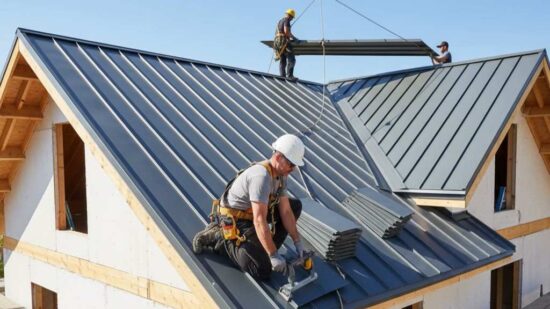
Metal roofing, on the other hand, requires minimal upkeep. It doesn’t absorb moisture, which reduces the risk of mold or rot. The interlocking panels and secure fastening systems—including properly installed roofing screws—help keep the structure stable and intact for decades.

Routine inspections and occasional debris removal are usually all that’s needed to keep a metal roof in top condition.

Environmentally Friendly Choice

If sustainability is important to you, choosing metal roofing stands out as an eco-conscious option. Many metal roofs are made from recycled materials and are fully recyclable at the end of their lifespan.

In contrast, millions of tons of asphalt shingles end up in landfills each year. Choosing a metal roof helps reduce waste and supports environmentally responsible building practices.

The energy efficiency benefits also contribute to a smaller carbon footprint by lowering your home’s overall energy consumption.

Versatile Style and Curb Appeal

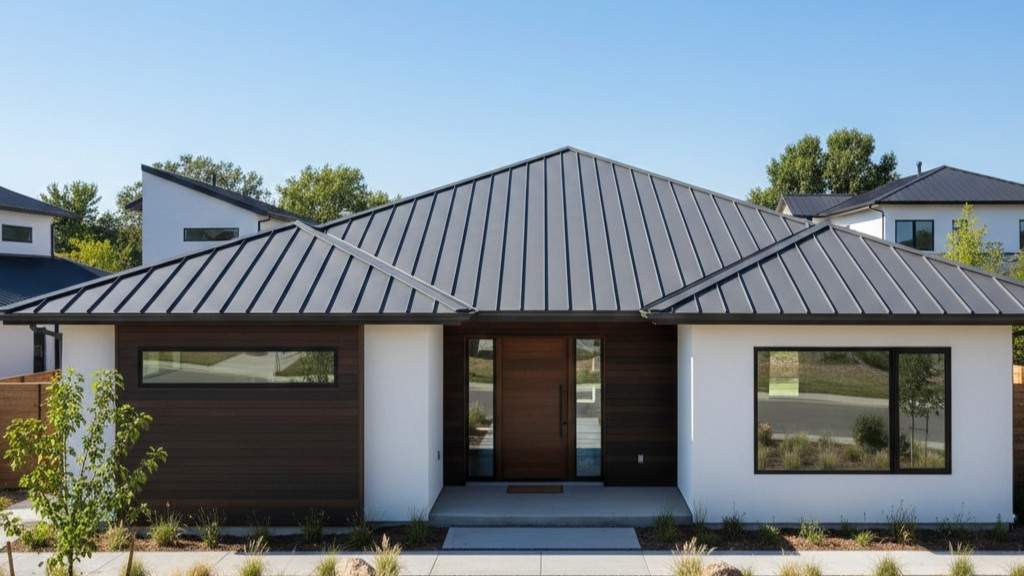
Gone are the days when metal roofs were limited to industrial or agricultural buildings. Today’s metal roofing options come in a wide variety of colors, finishes, and styles. Whether you prefer the look of standing seam panels, metal shingles that mimic slate, or even designs that resemble wood shakes, there’s a style to match nearly any architectural aesthetic.

This versatility makes metal roofing suitable for modern homes, farmhouses, coastal properties, and even traditional suburban designs.

A sleek, well-installed metal roof can enhance your home’s curb appeal and potentially increase its resale value. Buyers often appreciate the long lifespan and low maintenance that come with metal roofing, making your property more attractive on the market.

Superior Weather Resistance

Extreme weather events are becoming more common, making it crucial to choose roofing materials that can handle unpredictable conditions. Metal roofs excel in this area.

Superior Weather Resistance

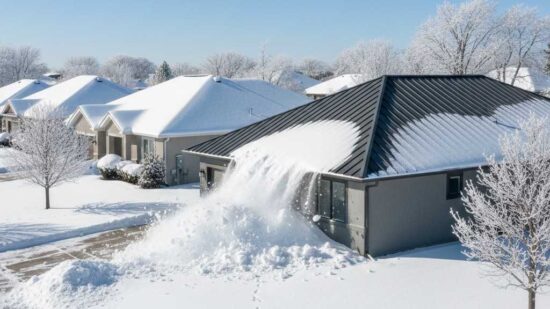
They shed snow and ice easily, reducing the risk of ice dams during winter months. Their smooth surface allows rainwater to run off efficiently, minimizing the chance of leaks. Many metal roofing systems are also impact-resistant, offering better protection against hail compared to traditional shingles.

This level of weather resistance provides peace of mind, especially for homeowners living in areas with fluctuating or severe climates.

Long-Term Cost Savings

While the upfront cost of best metal roofing options may be higher than asphalt shingles, it’s important to look at the bigger picture. The extended lifespan, minimal maintenance, and energy savings often offset the initial investment over time.

You’ll likely avoid at least one full roof replacement during the life of your home, which can save thousands of dollars. Additionally, some insurance companies offer discounts for metal roofs due to their durability and fire resistance.

When you factor in fewer repairs, lower utility bills, and increased property value, metal roofing becomes a financially sound decision.

A Smart Investment for the Future

Choosing the right roof is about more than just immediate protection—it’s about long-term performance and value. Metal roofing delivers on durability, efficiency, sustainability, and style, making it one of the most reliable options available today.

If you’re planning a roof replacement or building a new home, raising the roof with metal could be one of the smartest upgrades you make. With decades of dependable protection and modern aesthetic appeal, metal roofing truly stands above the rest.

More From Author

5 Legal Risks Parents Should Know

5 Legal Risks Parents Should Know

Top Trending Products to Sell in Online Stores This Year

Top Trending Products to Sell in Online Stores This Year

New Furnace vs. Repair: How to Make the Right Choice

When your furnace malfunctions in the middle of winter, you face a simple question: repair or replace? A heating system is a major investment, so making the right choice can save you money and improve your home’s comfort. This guide will help you confidently evaluate your options by outlining the key factors to consider.

Consider the Age of Your Furnace

Your furnace’s age is a crucial factor. With proper maintenance, most furnaces last 15 to 20 years. If your unit is under 10 years old and well-maintained, a repair is often the most cost-effective solution. However, if your furnace is over 15 years old, replacement is likely the smarter long-term choice.

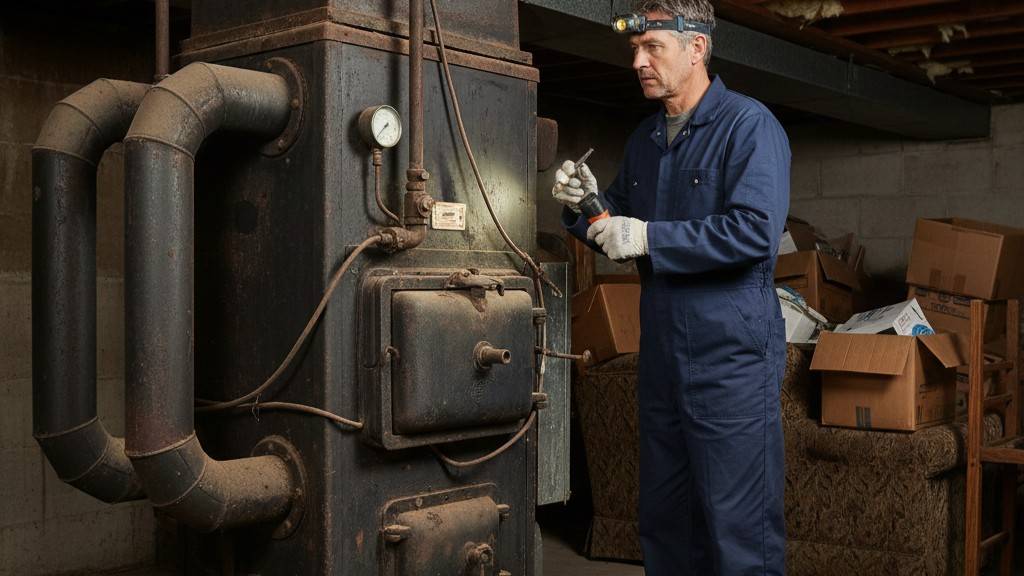
Older systems are less efficient and need more frequent service. Even if one repair fixes the immediate problem, other components may fail soon after. Investing in a new furnace near the end of your old one’s lifespan provides greater reliability and improved energy efficiency.

Evaluate the Cost of Repairs

Evaluate the Cost of Repairs

Repair costs vary by issue. Minor problems like a faulty thermostat are usually affordable, making repair a logical choice. However, more serious issues like a cracked heat exchanger can be expensive. Many homeowners follow the “50 percent rule”: if a repair costs more than half the price of a new furnace, replacement is often the better option.

Frequent service calls are another red flag. If you’ve repaired your furnace multiple times in one year, the system may be failing. Comparing these long-term costs can help you avoid spending more on repairs than the furnace is worth.

Energy Efficiency and Utility Bills

Older furnaces are generally less efficient than modern ones. As they age, they have to work harder to generate the same amount of heat, which increases energy consumption and leads to higher utility bills. If your heating costs are rising despite regular maintenance, your furnace may no longer be efficient.

Newer high-efficiency systems convert more fuel into usable heat, reducing energy waste and lowering your monthly bills. Upgrading can lead to long-term savings and also reduces your home’s environmental impact.

Comfort and Performance Issues

Do you have rooms that are too warm while others stay cold? This type of uneven heating can signal declining furnace performance. Older systems often struggle with consistent air distribution, especially when internal components become worn. Other signs of a problem include weak airflow, strange noises, and fluctuating temperatures.

While some issues can be fixed, persistent performance problems suggest that replacement may be the better option. A modern furnace will provide improved airflow, quieter operation, and more consistent temperatures.

Safety Considerations

Safety Considerations

Safety should be a top priority when deciding between furnace repair and replacement. Issues like a cracked heat exchanger, potential carbon monoxide leaks, or electrical malfunctions present serious risks. If a technician finds any safety hazards, replacing the furnace is the safest choice. Modern furnaces come with updated safety features to protect your home and family, offering valuable peace of mind.

Long-Term Plans for Your Home

Your future plans for the home should also influence your decision. If you plan to stay for many years, investing in a new, more efficient, and reliable furnace can provide greater long-term value.

Conversely, if you’re preparing to sell soon, a new furnace can be an attractive feature for potential buyers and boost their confidence. Aligning your choice with your long-term goals ensures you make the most practical decision for your situation.

Professional Evaluation Matters

While general guidelines are helpful, every home’s heating needs are different. A qualified HVAC professional can inspect your furnace, assess its condition, and offer recommendations based on its performance, efficiency, and safety. This evaluation will provide a clear understanding of potential repair costs, replacement options, and your system’s expected lifespan.

An expert opinion helps you avoid unnecessary expenses and ensures you have reliable heating throughout the winter. Like an interior designer will know how the heating system affects room design.

Conclusion

Deciding between repairing or replacing your furnace requires a careful look at its age, repair costs, efficiency, safety, and your long-term plans. While minor issues in a newer furnace are often worth repairing, frequent breakdowns and rising energy bills may signal it’s time for a new system.

For homeowners, scheduling furnace repair in Cottonwood Heights at the first sign of trouble can clarify whether a simple fix is enough or if a replacement is the smarter investment. A reliable heating system keeps your home comfortable and safe during the coldest months, and making the right choice today ensures warmth and peace of mind for years to come.

More From Author

What Your Interior Designer Needs to Know Before Starting

What Your Interior Designer Needs to Know Before Starting

5 Legal Risks Parents Should Know

5 Legal Risks Parents Should Know

What Your Interior Designer Needs to Know Before Starting

Hiring an interior designer is an exciting step toward creating a space that truly reflects your style and needs. However, the success of the project often depends on the quality of communication before the work even begins.

A designer cannot read your mind, so providing them with clear, comprehensive information is crucial. This preparation ensures that the design process runs smoothly and that the final result aligns with your vision.

To get the most out of your investment, you must be ready to share specific details about your lifestyle, budget, and preferences. Here is what you need to prepare before your first big meeting.

Define Your Functional Needs

Define Your Functional Needs

Before discussing colors or fabrics, a designer needs to understand how you live in your home. Aesthetics are important, but functionality is paramount. If a room looks beautiful but does not serve your daily needs, the design has failed.

Daily Routines and Traffic Flow

Think about your typical day. Do you host large dinner parties, or do you prefer quiet nights in? Do you have pets that shed or children who need durable surfaces? Sharing these details helps the designer choose materials that can withstand wear and tear. For example, a white linen sofa might look pristine in a magazine, but it is a nightmare for a family with a muddy golden retriever.

Storage Requirements

Clutter is the enemy of good design. Be honest about your storage needs. If you have a large collection of books, kitchen gadgets, or kids’ toys, let the designer know. They can incorporate built-in cabinetry or clever organizational solutions that keep your items accessible yet out of sight.

Establish a Realistic Budget

Establish a Realistic Budget

Money can be an uncomfortable topic, but transparency is non-negotiable here. A designer needs a clear budget to source appropriate items and manage labor costs effectively.

The Full Scope of Costs

Your budget should cover more than just furniture and paint. You must account for shipping, installation fees, and a contingency fund for unexpected issues. If you have a hard spending cap, state it upfront. This allows the designer to prioritize where to splurge and where to save. They might suggest investing in a high-quality sofa while choosing more affordable lighting fixtures.

Timeline Expectations

Time is money. If you have a strict deadline, such as hosting a holiday gathering or welcoming a new baby, this will influence the feasibility of the project. Custom furniture often has long lead times, so knowing your schedule helps the designer select in-stock items if speed is a priority.

Visualizing Your Style

Visualizing Your Style

Describing your style with words can be tricky because terms like “modern” or “rustic” mean different things to different people. Visual aids bridge this gap effectively and prevent mistakes while choosing a flooring style.

Inspiration Images

Gather images from magazines, social media, or design websites that appeal to you. Point out specifically what you like in each photo. Is it the mood, the color palette, or a specific piece of furniture? Conversely, showing images of what you hate is just as valuable. Knowing you dislike heavy drapes or glass tables saves time and prevents unwanted proposals.

Existing Furniture and Heirlooms

If you plan to keep certain pieces, your designer needs to know immediately. A grandmother’s antique dining table or a large sectional sofa will dictate the layout of the room. Provide measurements and photos of these items so they can be integrated seamlessly into the new plan.

Architectural and Structural Considerations

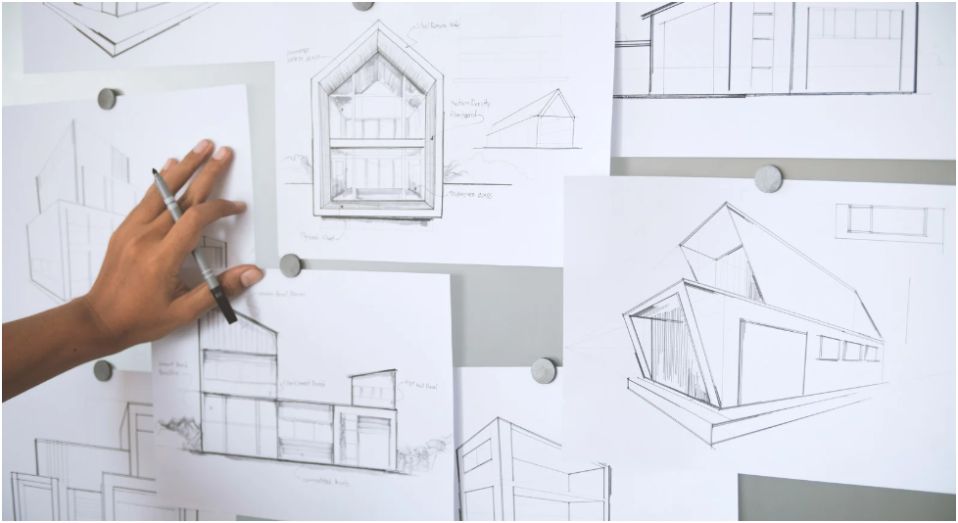
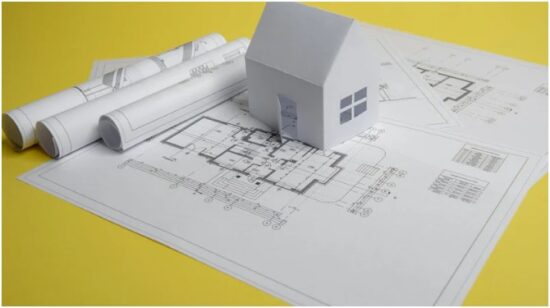
Your home’s physical structure sets the boundaries for the design. Providing blueprints or floor plans is helpful, but you should also discuss any planned renovations.

Lighting and Electrical Needs

Lighting significantly impacts the mood of a room. Detailed input on how you use lighting is vital. Do you need bright task lighting for reading or cooking? Do you prefer soft, ambient light for relaxing? Mentioning preferences for smart home integration or specific outlet locations ensures the electrical plan supports your lifestyle.

Material Preferences

Some homeowners have strong feelings about materials due to allergies, sustainability concerns, or maintenance preferences. If you want eco-friendly paints or natural fibers, state this early.

Perhaps you are looking for a specific aesthetic element to anchor a room, such as a fireplace surround made from precast stone from Portland, to add a regional touch. These specific material requests help the designer source the right vendors and artisans.

Conclusion

Preparing for an interior design project requires more than just picking out paint chips. By clearly communicating your functional needs, budget constraints, style preferences, and structural limitations, you empower your designer to do their best work. This partnership relies on trust and information. The more you share upfront, the closer you get to a home that fits you perfectly.

More From Author

Approve Your Curb Appeal: Affordable Tips for a Stunning Exterior

Approve Your Curb Appeal: Affordable Tips for a Stunning Exterior

New Furnace vs. Repair How to Make the Right Choice

New Furnace vs. Repair: How to Make the Right Choice