




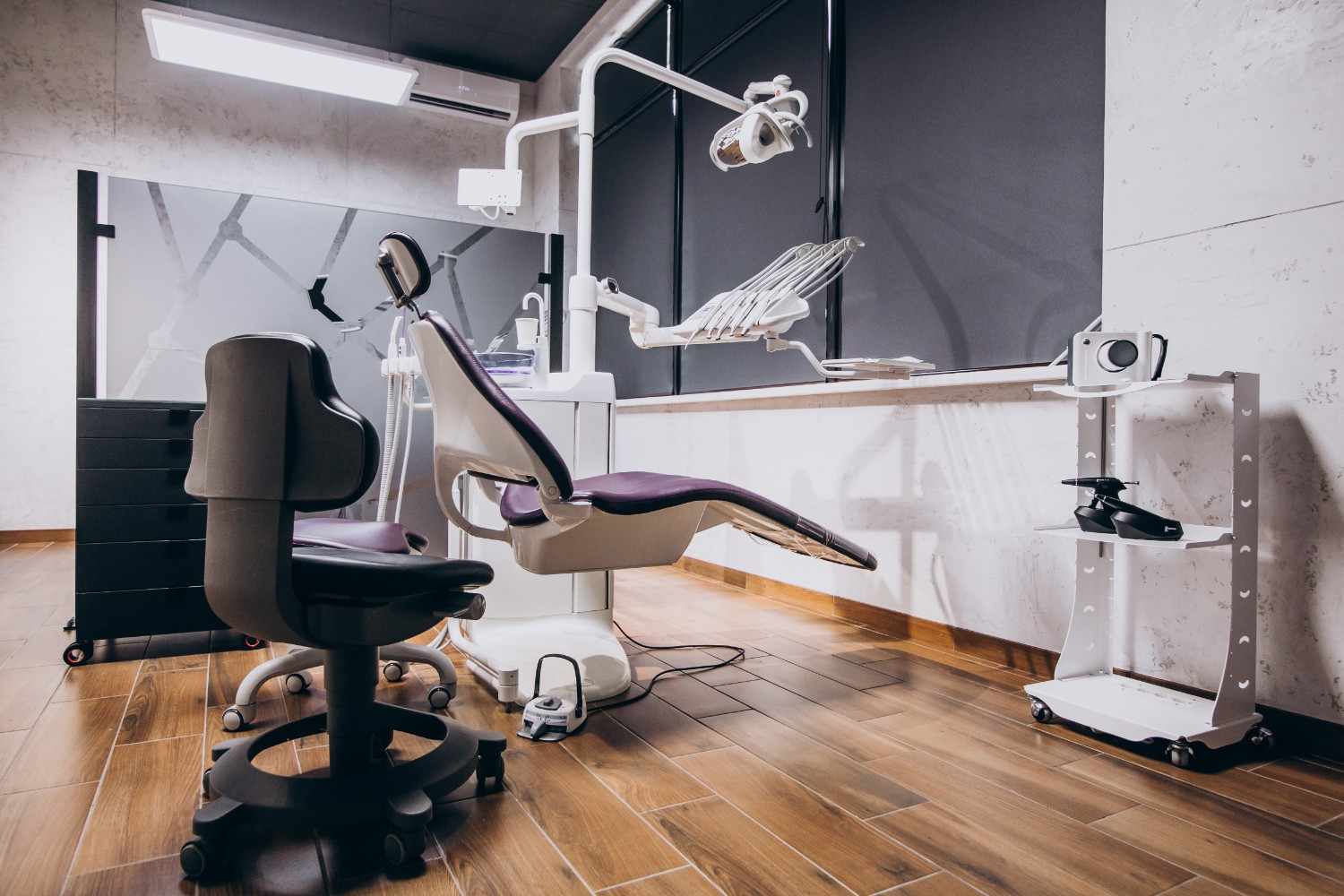
Opening your own dental office is an exciting and rewarding venture, blending healthcare expertise with entrepreneurship. For many dentists, owning a practice represents the ultimate professional milestone: the chance to create a patient-centered environment, control your schedule, and build a thriving business. While the journey may seem daunting, breaking it into clear steps makes the process manageable and achievable.
1. Define Your Vision and Goals
Before diving into logistics, it’s crucial to define your vision. What type of dental practice do you want to create? Will it be a general dentistry office, a specialized clinic, or a family-focused practice? Consider the values and experience you want your patients to have.
Your goals will influence decisions about location, services offered, and staffing. A clear vision also helps when communicating with investors, partners, or medical construction teams, especially if you’re working with specialized firms like medical construction in Utah, who can translate your vision into a functional, modern space.
2. Conduct Market Research

Understanding your local market is essential. Analyze the demographics of the area you plan to serve. How many dentists already operate there? What services are in high demand? Are there underserved populations that could benefit from your practice?
Market research will guide key decisions like pricing, services, and marketing strategies. Knowing your competition and community needs ensures your practice fills a valuable niche rather than getting lost in a crowded market.
3. Create a Solid Business Plan
A well-structured business plan is the backbone of any successful dental practice. It should outline your goals, services, target audience, startup costs, and projected revenue. Include marketing strategies, staffing plans, and operational workflows.
A strong business plan is also essential when seeking financing. Lenders and investors want to see that your practice is viable, well-researched, and capable of growth.
4. Secure Financing
Opening a dental office requires a significant financial investment. Costs include leasing or purchasing a building, purchasing equipment, hiring staff, and marketing your services.
Explore all funding options, from traditional bank loans to Small Business Administration (SBA) loans, dental practice financing programs, or even partnerships. Ensure you account for initial operational costs and maintain a buffer for unexpected expenses.
5. Choose the Right Location
Location can make or break a dental practice. Look for areas with high visibility, easy access, and sufficient parking. Proximity to residential neighborhoods, schools, or medical offices can attract more patients.
The physical layout should also support efficient patient flow. Consider how your waiting area, treatment rooms, and administrative spaces will interact to create a comfortable, functional environment.
6. Design and Build Your Office
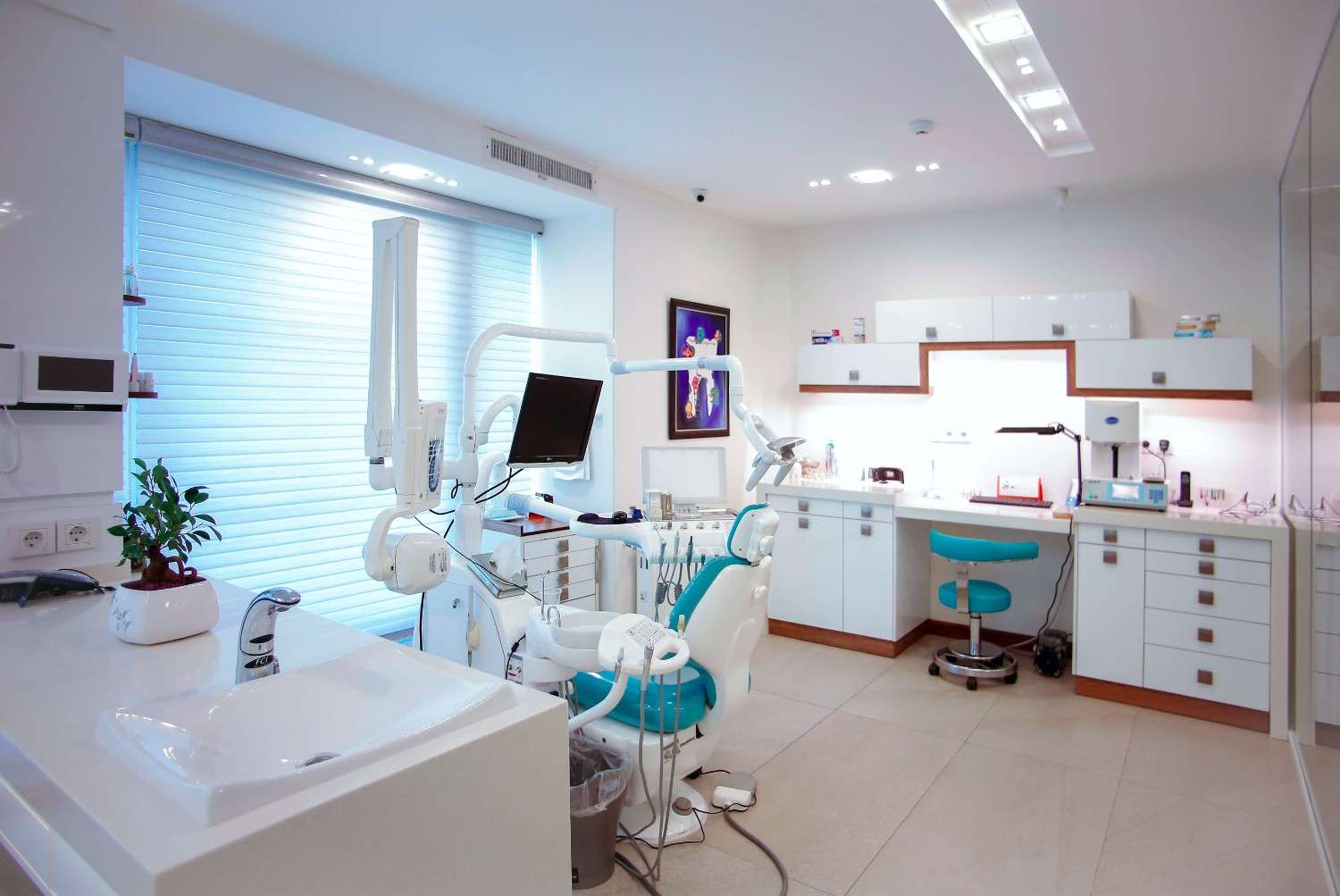
Once you have a location, it’s time to plan the design. Partnering with experienced professionals ensures your office meets both aesthetic and functional needs. Medical-grade construction, proper plumbing, and electrical planning are critical for a dental practice. In Utah, specialized companies in medical construction can help translate your vision into a compliant, modern clinic designed for patient comfort and staff efficiency.
Choose finishes, furniture, and equipment that create a welcoming environment while remaining practical for daily operations. Ergonomic treatment chairs, organized storage, and efficient workflows all contribute to patient satisfaction and staff productivity.
7. Hire and Train Your Team
Your staff are the backbone of your practice. Hiring skilled, compassionate dental assistants, hygienists, and administrative staff ensures smooth operations and exceptional patient care.
Invest in proper training and establish clear protocols for patient management, infection control, and office procedures. This is also where executive coaching can play a valuable role. Working with an experienced coach can help you develop leadership skills, improve team communication, and build a strong practice culture that supports long-term growth. A well-trained and well-led team enhances patient trust and loyalty.
8. Market Your Practice
Even the best dental office won’t succeed without patients. Develop a comprehensive marketing strategy that includes a professional website, social media presence, and local advertising. Consider hosting open houses, community events, or referral programs to build awareness and attract new patients.
Strong branding, consistent communication, and patient-focused messaging help create a positive reputation in your community, driving growth from the very start.
9. Prioritize Patient Experience

Patient experience should be at the core of your practice. Comfortable waiting areas, friendly staff, clear communication, and follow-up care can turn first-time visitors into lifelong patients.
Use technology where appropriate, such as digital scheduling, online forms, and modern imaging equipment, to streamline processes and enhance convenience.
10. Monitor and Adjust
Once your practice is up and running, continual monitoring and adjustments are key. Track financial performance, patient satisfaction, and operational efficiency. Be open to change, whether it means expanding services, adjusting pricing, or updating office technology.
Owning your dental office is an ongoing journey of improvement, but with careful planning, a dedicated team, and a clear vision, you can build a practice that brings smiles and long-term success.