




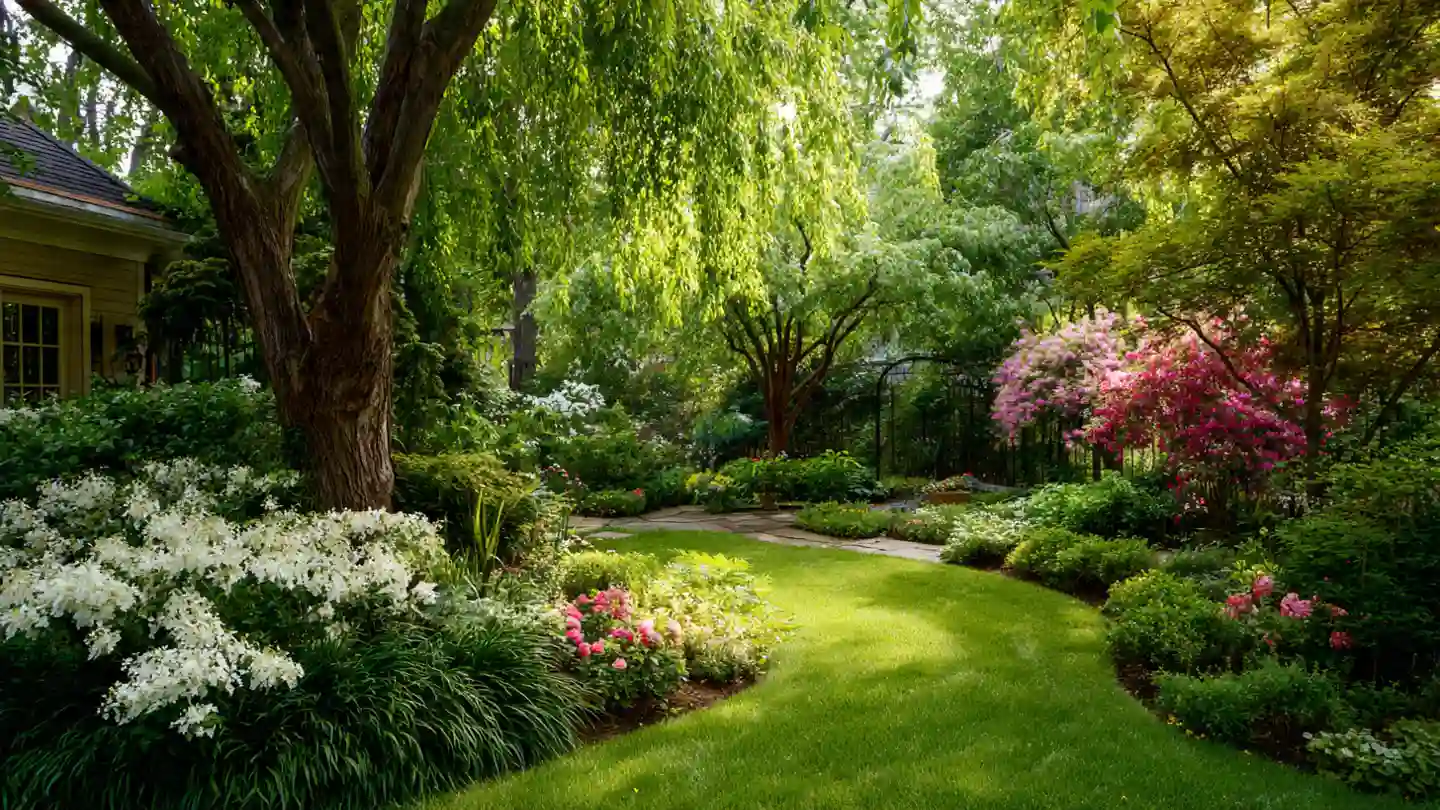
Transforming your backyard into a vibrant oasis begins with selecting the right plants. The perfect choices can create a beautiful, functional, and enjoyable outdoor space. However, with countless options available, the process can feel overwhelming. Successful gardening is less about luck and more about matching the right plant to the right place. By understanding your specific environment and goals, you can create a thriving landscape that brings you joy for years.
This guide will walk you through the key factors to consider when choosing plants, ensuring your backyard flourishes.
Assess Your Backyard’s Environment

Before you purchase a single plant, take the time to analyze your yard’s unique conditions. A plant that thrives in one location may struggle in another, so understanding your environment is the first step toward success.
Understand Your Climate Zone
Plants have different levels of tolerance for cold and heat. The first thing to identify is your hardiness zone, which defines the coldest winter temperatures your area typically experiences. Most plants sold at local nurseries will be labeled with the zones they are suited for. Choosing plants appropriate for your zone is critical for their long-term survival, especially for perennials, shrubs, and trees.
Map Your Sunlight
Observe your backyard at different times of the day to determine how much sun each area receives. This will help you map out distinct light conditions:
- Full Sun: Six or more hours of direct sunlight per day.
- Partial Sun/Shade: Four to six hours of direct sunlight.
- Full Shade: Less than four hours of direct sunlight.
Most plant tags will specify the light requirements. Placing a sun-loving plant in a shady corner will lead to poor growth and few flowers, while a shade-loving plant will scorch in direct sun.
Analyze Your Soil
Soil is the foundation of your garden. You can determine your soil type by feeling its texture. Sandy soil feels gritty and drains quickly. Clay soil is dense and holds moisture. Loamy soil is the ideal combination of both. You can also perform a simple soil test to check the pH level, which tells you if your soil is acidic or alkaline. While you can amend your soil over time, it’s often easier to choose plants that are naturally suited to what you already have.
Define Your Gardening Goals
Once you understand your environment, think about what you want to achieve with your backyard space. Your goals will help you narrow down your plant choices.
Balancing Aesthetics and Function
Consider the overall look you want to create. Do you prefer a formal, structured garden or a more natural, cottage-style landscape? Think about creating visual interest with a variety of heights, textures, and colors.
- Trees and Shrubs: These form the backbone of your garden, providing structure and year-round interest.
- Perennials: These plants return each year and offer consistent blooms or foliage.
- Annuals: These live for one season and are perfect for adding bursts of vibrant color to containers and flowerbeds. If you are planting a large area, buying bulk flower seeds can be a cost-effective way to fill the space with color.
Incorporating Edible Plants
A backyard garden can be both beautiful and productive. Consider integrating edible plants like vegetables, herbs, and fruit trees. Many herbs, such as rosemary and lavender, are attractive and can be mixed into flowerbeds. Raised beds are an excellent option for growing vegetables if your soil is not ideal.
Consider Maintenance Needs
Be realistic about the amount of time and effort you are willing to dedicate to your garden.
Low-Maintenance Options
If you have a busy schedule, look for plants that require minimal care. Native plants are often an excellent choice because they are already adapted to your local climate and soil, meaning they typically need less water and fertilizer. Drought-tolerant species like succulents or ornamental grasses are also great low-maintenance options that add texture and modern appeal.
High-Maintenance Choices
Some plants, like certain types of roses or exotic flowers, may require more frequent pruning, fertilizing, and pest control. While these can be very rewarding, make sure you are prepared for the commitment before you plant them.
By carefully evaluating your space, defining your vision, and choosing plants that match your lifestyle, you can create a beautiful and sustainable backyard. A well-planned garden not only enhances your home’s curb appeal but also provides a personal retreat for relaxation and enjoyment.