





The automotive world is rapidly evolving, and electric vehicles (EVs) have emerged as a transformative force in personal and commercial transportation. More than just a trend, EVs offer a practical, environmentally friendly alternative to traditional gasoline-powered cars. With their growing popularity, it’s clear that owning an electric vehicle comes with a host of advantages that extend far beyond just reducing fuel consumption.
1. Environmental Benefits
One of the most compelling reasons to switch to an EV is the positive impact on the environment. Traditional vehicles powered by internal combustion engines release harmful emissions like carbon dioxide (CO2), nitrogen oxides, and particulate matter into the atmosphere.
These pollutants contribute to climate change, smog, and poor air quality, affecting both the planet and public health.
Electric vehicles, on the other hand, produce zero tailpipe emissions. By charging an EV with renewable energy sources such as solar or wind power, drivers can virtually eliminate their carbon footprint.
This makes EVs a crucial part of the global effort to combat climate change and transition to sustainable transportation.
2. Lower Operating Costs
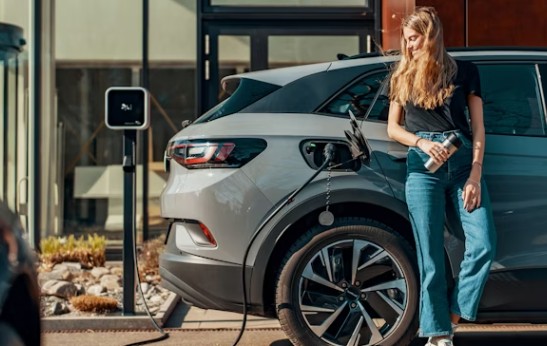
Owning an EV can be more economical over time compared to traditional gasoline vehicles. Electricity is generally cheaper than gasoline, meaning charging your EV costs significantly less than filling a tank of fuel.
Additionally, EVs have fewer moving parts than conventional engines, which reduces wear and tear. This translates into lower maintenance costs over the lifespan of the vehicle.
Routine maintenance like oil changes, fuel filters, and spark plugs become unnecessary.
Brake wear is also minimized thanks to regenerative braking systems, which capture energy during deceleration to recharge the battery. The result is a smoother, cost-efficient driving experience.
You might like to read: Filing an Insurance Claim After a Car Accident
3. Tax Incentives and Government Support
Many governments worldwide are incentivizing the adoption of electric vehicles. Tax credits, rebates, and reduced registration fees can significantly lower the upfront cost of an EV.
Some regions even provide perks like access to carpool lanes, free parking, or discounted tolls for electric vehicle owners.
These incentives make EVs more financially accessible and attractive for a wider audience. In addition, as more countries commit to phasing out gasoline-powered vehicles, early adoption can offer long-term benefits in terms of resale value and regulatory advantages.
4. Advanced Technology and Driving Experience
Electric vehicles are often equipped with cutting-edge technology that enhances the driving experience. Features such as adaptive cruise control, lane-keeping assistance, and intuitive infotainment systems are increasingly common.
Some EVs also incorporate innovative charging technologies like Magnetic Core Pulse Charging, which improves charging efficiency and battery longevity, allowing drivers to enjoy more reliable and faster charging cycles.
Moreover, the instant torque delivered by electric motors offers smooth, responsive acceleration that traditional engines can’t match.
Combined with quieter operation and minimal vibration, EVs provide a driving experience that is both enjoyable and refined.
5. Energy Independence and Sustainability

Switching to electric vehicles also promotes energy independence. Gasoline prices fluctuate due to geopolitical tensions and market demands, but electricity can be produced locally from renewable sources.
By embracing EVs, communities can reduce reliance on imported fossil fuels and support sustainable energy infrastructure.
In the long run, widespread adoption of EVs encourages investment in renewable energy, smart grids, and more efficient energy storage systems.
This shift not only benefits individual drivers but also contributes to a more resilient and environmentally responsible energy ecosystem.
6. Reduced Noise Pollution
EVs are significantly quieter than traditional vehicles. The absence of a combustion engine means less engine noise, contributing to a reduction in urban noise pollution.
Quieter streets improve quality of life, particularly in densely populated areas, and can have positive effects on stress levels and overall health.
7. Future-Proofing Your Investment
With governments and automakers increasingly committed to sustainability goals, the future of transportation is clearly electric. By investing in an EV today, you are future-proofing your mobility.
As charging networks expand and battery technology improves, the convenience and capabilities of EVs will continue to grow, making them an even smarter choice for years to come.
In Conclusion
Electric vehicles are more than just a green alternative; they represent a practical, cost-effective, and technologically advanced way to drive.
From environmental benefits and lower operating costs to advanced technology and future-proofing, the advantages of owning an EV are compelling.
With innovations like Magnetic Core Pulse Charging enhancing efficiency and sustainability, there has never been a better time to embrace electric mobility.
By making the switch, drivers not only save money and enjoy a superior driving experience but also contribute to a cleaner, healthier, and more sustainable future.