

Industrial machinery is the backbone of modern manufacturing. From assembly lines in automotive plants to the intricate packaging systems in food processing, these machines are expected to run tirelessly, often around the clock. But a machine is only as good as the sum of its parts.
When one component fails or underperforms, the ripple effect can lead to costly downtime, safety hazards, and lost productivity. Choosing the right performance components isn’t just about fixing what’s broken; it’s about optimizing equipment to handle the rigors of heavy-duty operation.
Whether you are an engineer looking to upgrade existing assets or a procurement manager seeking reliable replacements, understanding the critical role of performance components is essential for maintaining a competitive edge.
This guide explores the vital elements that drive industrial efficiency, why right material selection matters, and how investing in quality components can transform your operational output.
The Heart of the Machine: Critical Performance Components
Every piece of industrial equipment relies on a network of interacting parts. While some are static, others endure high stress, friction, and heat. Identifying these critical components is the first step toward better maintenance and performance strategies.
Bearings and Bushings
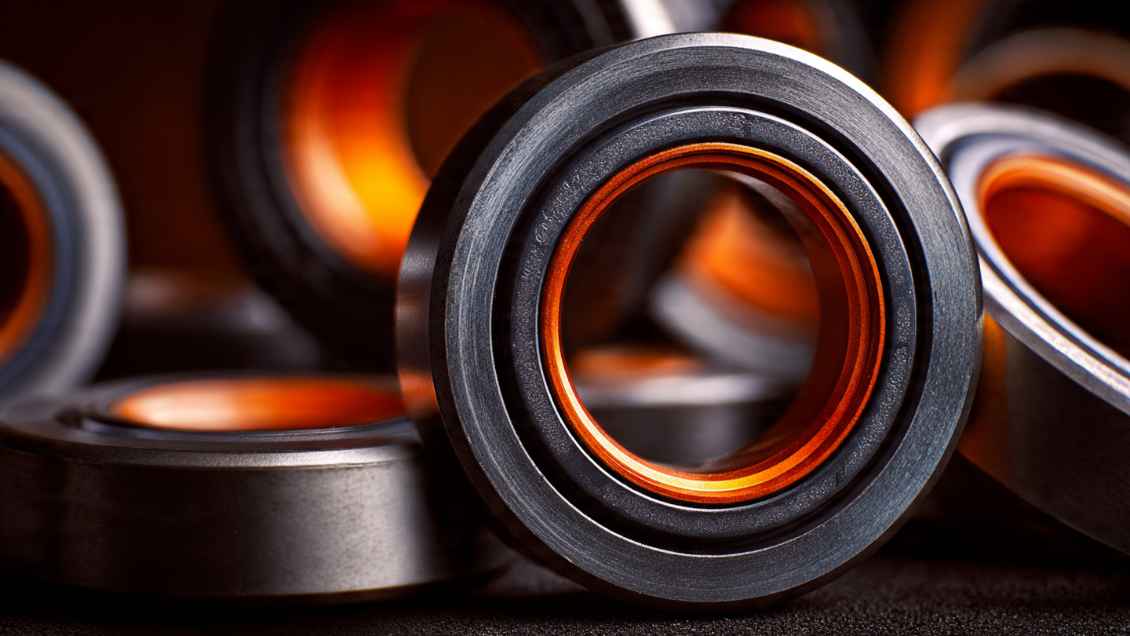
Bearings are perhaps the most ubiquitous component in industrial machinery. They facilitate motion, reduce friction, and support loads. High-performance bearings are designed to withstand extreme environments, such as high temperatures or corrosive settings.
Upgrading to sealed or self-lubricating bearings can significantly reduce maintenance intervals and prevent contamination, which is crucial in industries like pharmaceuticals or food and beverage.
Gears and Transmission Systems
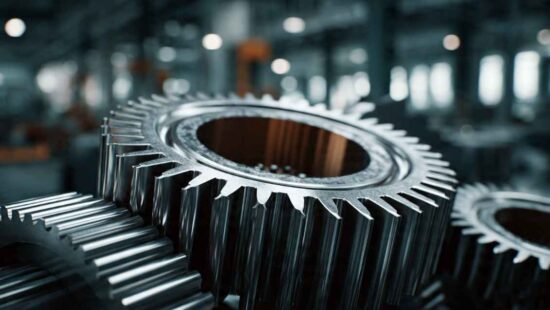
Gears transmit power and motion between machine parts. Precision in gear manufacturing ensures smooth operation and minimizes noise and vibration. In high-torque applications, the material and heat treatment of gears determine their longevity.
Using advanced alloys or surface treatments can prevent premature wear, ensuring that power transmission remains efficient over the machine’s lifespan.
Seals and Gaskets
Often overlooked, seals and gaskets are the gatekeepers of machinery. They prevent fluids from leaking and keep contaminants out. In hydraulic systems, a failed seal leads to pressure loss and system failure.
High-performance materials like Viton or PTFE (Teflon) offer superior resistance to chemicals and heat compared to standard rubber seals, making them indispensable for demanding applications.
Material Selection: The Foundation of Durability
The performance of any component is inextricably linked to the material it is made from. Material science has advanced significantly, offering engineers a broad palette of options tailored to specific stress factors.
Steel and Stainless Steel
Steel remains the standard for strength and durability. However, not all steel is created equal. Stainless steel is essential for environments prone to moisture and rust, while hardened tool steels are necessary for cutting and grinding components. Selecting the right grade can mean the difference between a part that lasts a month and one that lasts a year.
Engineering Plastics
Metals aren’t always the answer. Engineering plastics like PEEK or Nylon offer high strength-to-weight ratios and natural corrosion resistance. They are increasingly used in wear strips, rollers, and gears where noise reduction and lubrication-free operation are desired.
Lightweight Alloys
In applications where speed and energy efficiency are paramount, reducing the weight of moving parts is beneficial. This is where aluminum comes into play. It offers excellent strength-to-weight characteristics and is easy to machine.
Through processes like Aluminum CNC Machining, manufacturers can create complex, lightweight components with tight tolerances that improve the speed and responsiveness of automated machinery without sacrificing structural integrity.
The Role of Precision Manufacturing
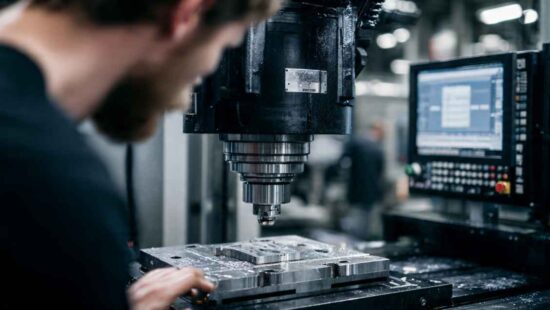
Having the right design and material is only half the battle; the manufacturing process defines the final quality of the component. Precision manufacturing ensures that parts fit perfectly, operate smoothly, and perform consistently.
Tight Tolerances
In high-speed machinery, even a microscopic deviation can cause vibration and wear. Precision machining ensures that components meet exact specifications. This level of accuracy is critical for interchangeability, allowing maintenance teams to swap out parts quickly without needing extensive adjustments.
Surface Finish
The texture of a component’s surface affects friction and wear. A polished finish on a shaft, for example, extends the life of the seal running against it. Advanced finishing techniques, such as grinding, lapping, or electropolishing, are used to achieve the necessary surface quality for high-performance applications.
Maintenance Strategies for High-Performance Components
Investing in high-quality components is an excellent starting point, but maintaining them is what ensures long-term ROI. Moving from reactive to proactive maintenance strategies can drastically extend the life of your machinery.
Predictive Maintenance
Modern industrial components often integrate with sensors that monitor vibration, temperature, and noise. By analyzing this data, maintenance teams can predict when a bearing or gear is likely to fail and replace it during scheduled downtime rather than reacting to a catastrophic breakdown.
Lubrication Management
Friction is the enemy of efficiency. Using the correct lubricant—and applying it in the right amount at the right time—is critical. Automated lubrication systems ensure that performance components receive consistent protection, reducing the risk of human error and dry running.
Future-Proofing Your Operations
The industrial landscape is shifting toward smarter, faster, and more efficient production methods. As machinery evolves, the components that drive them must also adapt. High-performance parts are no longer a luxury; they are a necessity for businesses aiming to reduce their carbon footprint through energy efficiency and maximize uptime.
By focusing on the quality of critical parts—from the materials selected to the precision of their manufacture—companies can safeguard their investments. It is a holistic approach where every bolt, gear, and seal contributes to the larger goal of operational excellence.
Prioritizing superior components today lays the groundwork for a more resilient and productive tomorrow. Whether you are retrofitting a legacy system or designing a new production line, remember that the reliability of the whole is defined by the quality of the pieces.