



Buying a trailer is an important investment, whether for work or recreation. Selecting the wrong size or weight capacity can lead to safety issues, vehicle strain, and added costs. Understanding how trailer dimensions, capacity, and features work together helps you make a smart, confident choice.
Understanding Trailer Size
Trailer size affects what you can haul, how easily you can maneuver, and how well it pairs with your towing vehicle. Length and width are the two primary dimensions to evaluate.
Longer trailers provide more space for large equipment, building materials, or multiple pieces of machinery. However, they can be more challenging to maneuver, especially in tight job sites or residential areas. Shorter trailers are easier to handle and park but may limit the type of loads you can carry. For buyers evaluating sizes and capacities, demand for dump trailers across Utah continues to grow as contractors look for reliable hauling solutions that balance strength, stability, and ease of use.
Width is equally important. A wider trailer accommodates larger machinery and improves stability, but it must comply with road regulations. Standard trailer widths typically range between 6 and 8.5 feet. Before purchasing, measure the equipment or materials you plan to transport most often to ensure a proper fit.
Another factor to consider is deck height. Lower deck heights make loading equipment easier and reduce the center of gravity, improving stability during transport. Higher deck trailers may offer more ground clearance, which is beneficial for uneven terrain.
Evaluating Weight Capacity
Weight capacity is one of the most critical aspects of buying a trailer. Every trailer has a Gross Vehicle Weight Rating (GVWR), which represents the maximum combined weight of the trailer and its cargo. Exceeding this limit can cause tire blowouts, brake failure, suspension damage, and unsafe towing conditions.
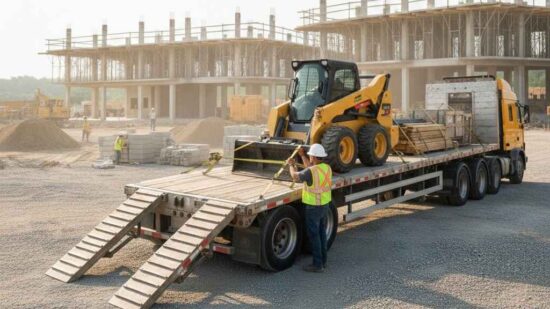
In addition to GVWR, you should also consider payload capacity. Payload capacity refers to how much weight the trailer can carry after subtracting its own weight. Understanding this distinction prevents overloading and protects both your trailer and towing vehicle.
Axle configuration plays a significant role in determining capacity. Single-axle trailers are suitable for lighter loads and occasional use. Tandem-axle trailers distribute weight more evenly and offer better stability for heavier equipment or frequent hauling. For commercial or heavy-duty applications, dual or triple-axle setups may be necessary.
It is equally important to verify that your towing vehicle can handle the trailer’s fully loaded weight. Check your vehicle’s towing capacity in the owner’s manual and ensure it exceeds the trailer’s maximum weight. Proper weight distribution improves handling and reduces wear on your vehicle.
Choosing the Right Trailer Type
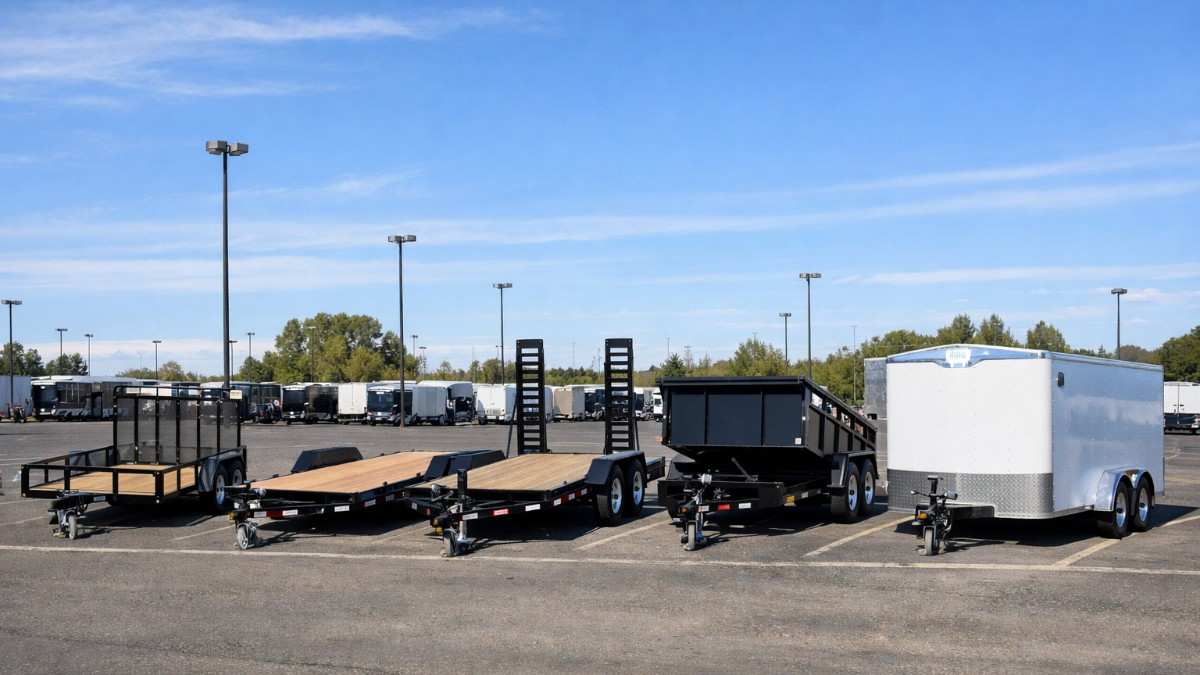
Different trailer types serve different purposes. Utility trailers are versatile and suitable for light-duty hauling such as landscaping supplies or small equipment. Flatbed trailers provide open access for oversized cargo and palletized materials. Equipment trailers are reinforced for transporting machinery like skid steers or compact tractors.
Dump trailers are ideal for hauling loose materials such as gravel, soil, or construction debris. Their hydraulic lift systems make unloading fast and efficient. Enclosed trailers protect tools, equipment, and sensitive cargo from weather and theft, making them popular among contractors and business owners.
Selecting the right trailer type ensures your investment aligns with your hauling requirements and reduces unnecessary strain on equipment.
Important Trailer Features to Consider
Beyond size and capacity, specific features can enhance safety, convenience, and durability along with enhanced vehicle longevity.
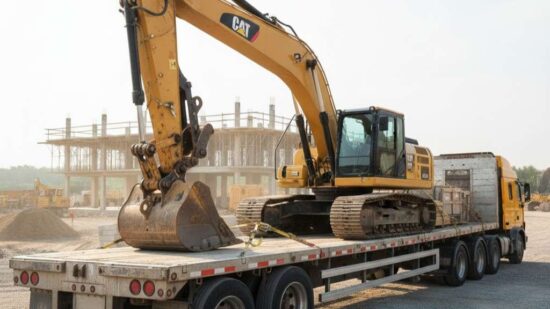
- Brake systems are essential for heavier loads. Electric brakes improve stopping power and are often required for trailers exceeding certain weight thresholds. A quality brake controller inside your towing vehicle ensures smooth braking performance.
- Deck material also influences durability and maintenance. Pressure-treated wood decks are common and cost-effective, while steel decks provide added strength for heavy-duty applications. Aluminum trailers are lighter and resistant to corrosion, which can improve fuel efficiency and longevity.
- Loading ramps are another valuable feature. Slide-in ramps or fold-down ramps make it easier to load equipment safely. Some trailers also offer dovetail designs that reduce the loading angle.
- Tie-down points and stake pockets are critical for securing cargo properly. Adequate anchor points help prevent shifting loads during transit. For enclosed trailers, secure locking systems and reinforced doors enhance security.
- Suspension systems affect ride quality and cargo protection. Leaf spring suspensions are common and reliable, while torsion axles provide smoother rides and reduced vibration.
Considering Long-Term Durability
Durability should always be part of your buying decision. Inspect the trailer frame for quality welds and solid construction. Powder-coated finishes offer better resistance to rust compared to standard paint. If you frequently haul in harsh weather conditions, corrosion resistance becomes even more important.
Matching Your Trailer to Your Needs
Before finalizing your purchase, think about how often you will use the trailer and what you plan to haul most frequently. Buying a slightly larger or higher-capacity trailer than your current needs may offer flexibility for future projects. However, purchasing an oversized trailer without proper towing capacity can create safety concerns.
Conclusion
Choosing the right trailer requires careful consideration of its size, load capacity, axle setup, and built-in features. These factors directly impact safety, towing performance, and overall efficiency. Taking the time to match the trailer to your specific hauling needs helps protect your cargo, reduce wear on your vehicle, and ensure dependable performance over the long term.