




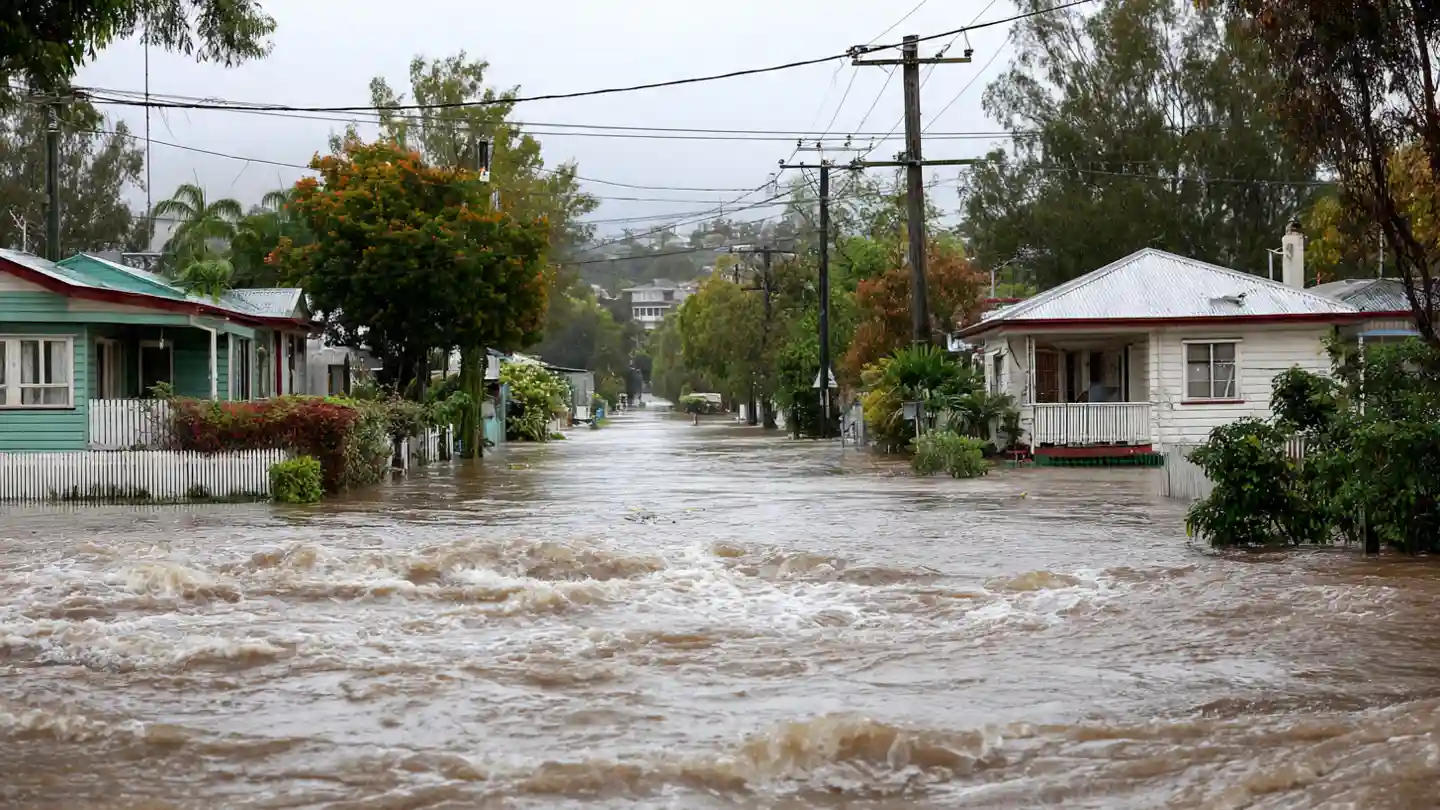
Flooding poses significant risks to home stability, damaging foundations and electrical systems. As extreme weather increases, homeowners must prioritize structural safety checks before starting cleanups. This guide outlines how to identify structural issues, when to consult experts, and how to prepare for future floods.
Immediate Actions After the Waters Recede
The period immediately following a flood is chaotic, but safety must remain your top priority. Before you even think about structural integrity, you need to ensure the environment is safe to enter.
Turn Off Utilities
Do not enter a flooded building if the power is still on. If you can safely reach the main breaker box without stepping in water, turn off the electricity. If you cannot, contact your utility company to cut the power remotely. Similarly, if you smell gas or suspect a leak, turn off the main gas valve and leave the area immediately.
Wear Protective Gear
Floodwater is rarely just water. It is often contaminated with sewage, chemicals, and debris. Wear sturdy, waterproof boots, rubber gloves, and a face mask (N95 or higher) to protect against mold spores and bacteria.
Ventilate the Area
If it is safe to do so, open windows and doors to allow airflow. This helps remove foul odors and begins the drying process, reducing the risk of trapped gas pockets or intense mold growth.
Common Structural Damage Caused by Floods
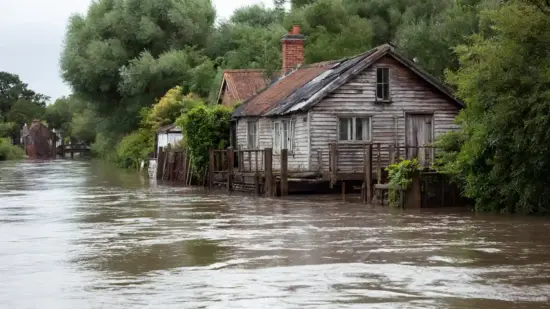
Understanding what water does to building materials will help you know what to look for. Flood damage isn’t always as dramatic as a collapsed wall; it can be subtle and insidious.
Foundation Shifts
Moving water exerts tremendous pressure on foundation walls. This can cause cracking, bowing, or even separation from the house frame. Additionally, as the ground creates a “sponge” effect, the soil beneath the foundation can erode or expand, leading to settlement issues.
Wood Rot and Warping
Wood is porous. When submerged, it swells. As it dries, it can warp, twist, or crack. If structural beams, studs, or floor joists remain wet for too long, rot sets in, significantly weakening the load-bearing capacity of your home.
Drywall and Insulation Breakdown
Drywall acts like a wick, pulling moisture up past the flood line. It becomes mushy and loses its structural integrity. Wet insulation, particularly fiberglass and cellulose, clumps together and loses its R-value, while also becoming a prime breeding ground for mold.
Performing a DIY Initial Assessment
Once you have established that the site is generally safe to approach, you can perform a preliminary visual inspection. Note: This is not a substitute for a professional inspection, but rather a way to declutter your space and identify obvious hazards that require immediate attention.
1. Check the Exterior First
Walk around the perimeter of your home. Look for:
- Buckled walls: Check if the siding or brickwork looks bowed or uneven.
- Cracks: Look for new cracks in the foundation, masonry, or near corners of windows and doors.
- Sagging Roofs: While less common from ground flooding, heavy rains can compromise roof structures. Look for a sagging roofline.
- Lean: Stand back and check if the house or porch appears to be tilting.
2. Inspect the Floors
Inside, check for buckling or sagging floors. If the floor feels “bouncy” or uneven, it could indicate that the joists underneath have been compromised. Be extremely cautious walking on these surfaces.
3. Examine Walls and Ceilings
Look for water stains on ceilings (indicating roof leaks) and “sweating” walls. Check for cracks in the drywall or plaster, specifically those that start at the corners of doors or windows, as this often indicates a shift in the foundation.
4. Look for Doors and Windows that Stick
If doors and windows that previously opened easily are now stuck or jammed, it is a strong indicator that the frame of the house has shifted or distorted due to water damage.
When to Call a Professional
While a DIY check is a good starting point, many dangers lurk unseen. You should absolutely hire a structural engineer or a specialized contractor if:
- You see any cracks in the foundation wider than 1/8 inch.
- You notice bulging or bowed walls.
- The soil around the home has significantly washed away (scouring).
- You hear creaking, popping, or groaning noises coming from the house.
- You intend to file a major insurance claim; a professional report is often required documentation.
It is also wise to contact flood damage restoration services like those in Orem, UT, if you are unsure about the extent of the water intrusion or need assistance with the cleanup and drying process, as they can often spot structural red flags during their work.
The Professional Inspection Process

When you hire a structural engineer, they perform a rigorous evaluation that goes far beyond a visual check. Understanding their process can give you peace of mind.
Visual and Physical Examination
The engineer will inspect the crawlspace or basement, the attic, and the main living areas. They will probe wood members to check for rot that isn’t visible on the surface and examine the foundation for shear failure.
Leveling Assessment
Using laser levels or zip levels, they will map out the floor elevation. This data reveals how much the foundation has moved and where the stress points are located.
Report and Recommendations
After the inspection, you will receive a stamped engineering report. This document details the specific damages, assesses the severity of structural compromise, and provides a remediation plan. This plan is crucial for contractors to perform repairs correctly and for insurance adjusters to process your claim accurately.
Long-Term Prevention and Mitigation
Once the immediate crisis has passed and repairs are underway, it is time to think about the future. You can take steps to make your home more resilient against future flooding.
Elevate Utilities
Move critical equipment like furnaces, water heaters, and electrical panels to higher floors or elevate them on plinths in the basement. This prevents expensive damage during minor to moderate floods.
Install Flood Vents
If you have a crawlspace, installing flood vents allows water to flow through the enclosure rather than building up hydrostatic pressure against the walls. This simple addition can save your foundation from collapsing.
Improve Drainage
Ensure your property is graded so that water flows away from the foundation. Extend downspouts and consider installing French drains or a sump pump system with a battery backup to handle water intrusion.
Use Flood-Resistant Materials
When rebuilding call home construction expert, opt for materials that can withstand moisture. Use concrete, glazed brick, or pressure-treated lumber for lower levels. Replace carpeting with ceramic tile or vinyl flooring that can be easily cleaned and sanitized.
Conclusion
Recovering from a flood is a marathon, not a sprint. The urge to return to “normal” is powerful, but skipping safety checks can lead to devastating consequences down the road. A weakened structure is a ticking clock; catching issues early saves money and, more importantly, protects the people living inside.