



Before starting any development project, conducting environmental due diligence is essential. This process identifies potential environmental risks, regulatory requirements, and site conditions that could impact the project’s success. Skipping or rushing this step can result in costly delays, legal issues, and long-term liabilities. When done thoroughly, environmental due diligence safeguards investments and enables smarter, more sustainable development decisions.
What Environmental Due Diligence Really Means
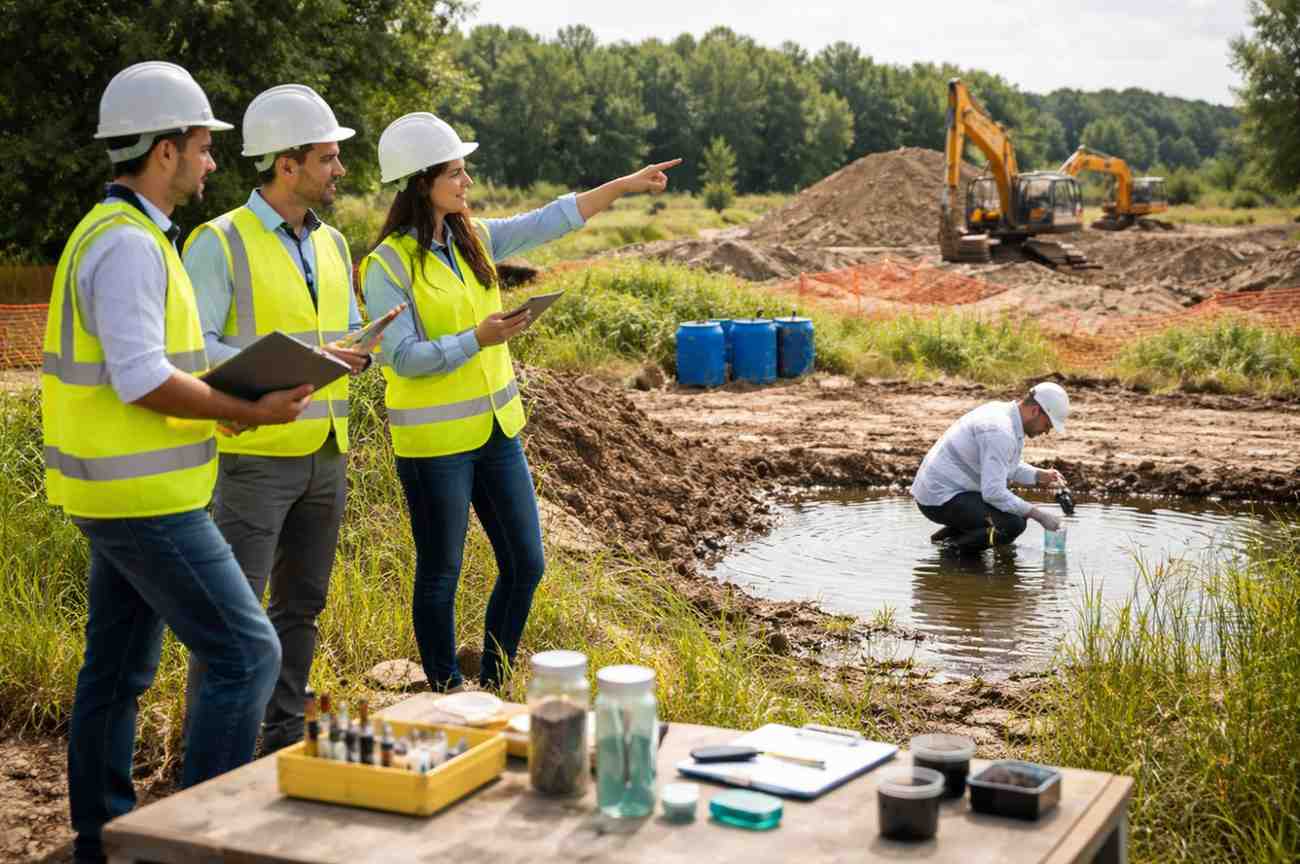
Environmental due diligence involves evaluating a site to identify potential environmental concerns before development begins. This process includes reviewing land history, assessing soil and groundwater conditions, identifying hazardous materials, and understanding regulatory requirements. The goal is not to halt development but to enable informed decision-making. Identifying environmental issues early helps project owners plan effectively, budget accurately, and avoid unexpected challenges. Environmental consulting services often support this process by providing technical expertise to interpret findings and recommend practical solutions.
Identifying Hidden Risks Before They Become Problems

Environmental risks are often hidden from view, such as contaminated soil, buried waste, or issues from past land use. These problems may only surface once construction begins, leading to delays and increased costs. Conducting early due diligence can identify these risks before purchasing land or finalizing plans. This insight allows developers to renegotiate terms, adjust designs, or implement mitigation strategies upfront. Addressing risks early is far more efficient and cost-effective than dealing with them during construction.
Regulatory Compliance Starts Before Construction
Environmental regulations impact land use, permitting, and development design. Failing to identify these regulations early can lead to non-compliance, fines, or permit denials. Due diligence clarifies which approvals are necessary and what standards must be met, allowing project teams to align their designs with regulatory expectations from the start. This clear compliance planning reduces uncertainty and helps projects proceed with fewer interruptions.
Financial Protection and Budget Accuracy
Environmental issues can impact project finances. Cleanup, redesign costs, and delays can quickly exceed budgets if risks aren’t identified early. Due diligence helps developers plan more accurately by understanding potential costs and building realistic contingencies. Smarter land development practices, like selecting optimal sites and adjusting designs based on environmental assessments, mitigate risks and reduce costs. Investors and lenders value thorough due diligence, boosting their confidence and making it easier to secure financing.
Supporting Safer and Healthier Communities
Development projects impact more than just property owners; they affect surrounding neighborhoods, water sources, and local ecosystems. Environmental due diligence ensures that these projects do not pose unnecessary risks to public health or the environment. By understanding site conditions early, developers can prevent pollution, manage waste responsibly, and protect natural resources. This proactive approach fosters healthier communities and reduces the risk of future legal disputes. Ultimately, responsible development builds essential trust with local stakeholders and regulatory agencies.
Improving Project Timelines and Predictability

Unexpected environmental issues are a primary cause of project delays. Issues like stop-work orders, additional testing, or permit revisions can disrupt even the most meticulously planned schedules. By assessing environmental conditions early, developers can ensure timelines remain predictable. Teams can then integrate mitigation measures and permitting requirements into their initial plans rather than reacting under pressure. Maintaining a predictable schedule is essential for controlling costs and preserving momentum throughout the development lifecycle.
Long-Term Liability and Property Value Considerations
Environmental responsibility continues long after construction ends. Property owners can be held liable for environmental issues well after a project is finished. Thorough due diligence identifies liabilities that might diminish property value, limit resale potential, or restrict future use. Addressing these concerns early protects the asset’s long-term value and minimizes ongoing risk. Ultimately, clean and well-documented properties are far more attractive to buyers, tenants, and investors.
Integrating Environmental Insight Into Smarter Design
Environmental findings can guide better design decisions by adjusting site layout, drainage systems, material choices, and construction methods to reduce impact and improve efficiency. Integrating these considerations early makes projects more resilient and sustainable, supporting long-term performance over short-term fixes. By grounding design in environmental data, projects achieve stronger, more responsible outcomes.
Conclusion
Environmental due diligence is essential for successful development. It helps identify risks, navigate regulations, and plan responsibly to protect both investments and community well-being. With the guidance of environmental consulting services, developers can address complex environmental factors with clarity and confidence. Taking action early minimizes unexpected challenges, improves project outcomes, and promotes responsible growth from start to finish.