



Embarking on a landscaping journey can be both exciting and daunting. The vision of a beautiful outdoor space often comes with questions about where to begin and what materials are necessary to achieve your desired aesthetic.
This guide is crafted specifically for beginner landscapers. We will explore the must-have items that will help you create stunning, sustainable landscapes.
Understanding Soil and Its Importance
The Foundation of Growth
Soil is more than just dirt lying on the ground; it is the living, breathing foundation upon which all plant life heavily depends. For beginner landscapers, taking the time to truly understand the different types of soil—such as sand, silt, and clay—and their optimal pH levels is a fundamental first step in any project.
Healthy soil provides the necessary environment for essential nutrients to travel, proper drainage to occur, and adequate aeration for fragile roots to establish themselves. Before you even think about planting a single seed or transferring a potted plant into the ground, it is vital to assess your existing soil quality.
Testing the soil allows you to understand its current composition, revealing whether it leans too acidic or too alkaline, and whether it retains too much water or drains far too quickly. This preliminary step saves immense frustration down the road and sets the stage for a thriving garden ecosystem.
Soil Amendments for Health
To drastically improve soil structure and overall fertility, various amendments can be incorporated directly into your garden beds. Compost, which is a rich organic material made from decomposed yard waste and kitchen scraps, significantly enhances nutrient content and boosts water retention capabilities. Incorporating peat moss can effectively adjust pH levels and greatly improve the texture of overly sandy soils that struggle to hold onto moisture.
Fertilizer, whether you choose an organic blend or a synthetic variation, provides targeted nutrients like nitrogen, phosphorus, and potassium to heavily boost plant growth during crucial developmental stages. Choosing the right amendments tailored to your specific soil test results ensures your plants not only survive but truly thrive in their new environment.
Hardscaping Essentials Beyond the Green
Defining Hardscaping Elements
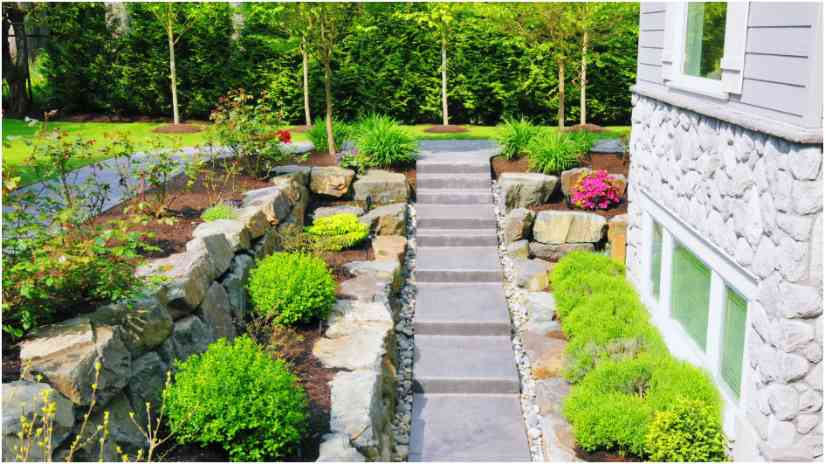
Hardscaping refers to the non-living, structural elements integrated into your landscape, such as expansive patios, winding walkways, and sturdy retaining walls. These structural elements provide the necessary framework, everyday functionality, and compelling visual interest to contrast with the soft, organic shapes of your plants.
For beginners, affordable tips for a stunning exterior is to focus heavily on durable, weather-resistant, and relatively easy-to-install materials is the absolute key to successfully building a robust foundation for your outdoor living space. Hardscaping dictates the flow of foot traffic and establishes the permanent boundaries of your garden beds, making it a critical component of initial landscape design.
Paving and Pathway Materials
When it comes to designing functional pathways and inviting patios, common beginner-friendly materials include concrete pavers, crushed gravel, and natural stepping stones. Pavers come heavily stocked in a massive variety of shapes, sizes, and colors, offering incredible versatility in aesthetic design and layout patterns.
Gravel provides a highly permeable and very affordable option for long driveways or secondary garden paths, allowing rainwater to seep back into the earth naturally.
Meanwhile, irregular stepping stones create a wonderfully informal, natural look that blends seamlessly into woodland or cottage-style gardens. It is highly recommended to consider long-term drainage solutions and ongoing maintenance requirements when selecting these materials for your specific climate.
Edging and Borders
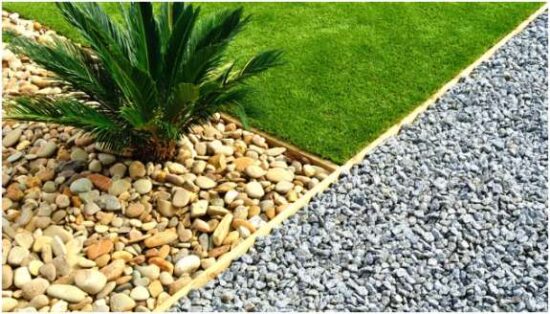
Edging materials act as the defining lines between different sections of your yard, effectively separating garden beds from grassy lawns or gravel pathways. This clear separation prevents soil erosion during heavy rains and maintains a highly tidy, manicured appearance year-round.
Material options range widely, from flexible plastic edging designed for creating sweeping curves to much more rigid metal or heavy stone blocks utilized for sharp, straight lines. Natural wood borders can also be utilized, adding a rustic texture and visual contrast that frames your vibrant plants beautifully while keeping invasive grass roots at bay.
The Role of Mulch and Ground Cover
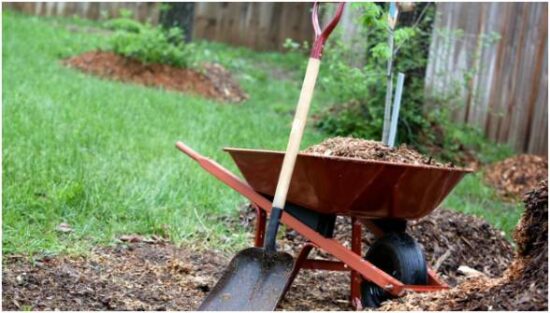
Benefits of Mulching
Mulch is essentially a protective layer applied directly to the bare soil surface surrounding your plants. It plays a critical role in conserving precious soil moisture during hot summer months, aggressively suppressing invasive weeds, and regulating the underlying soil temperature, making it completely indispensable for beginner landscapers.
Organic mulches, like aged wood chips, shredded cedar bark, or pine needles, slowly decompose over time, naturally enriching the soil with valuable organic matter and improving its overall structure. Applying a consistent layer of organic mulch dramatically reduces the time you will spend watering and weeding your newly established garden beds.
Inorganic Mulch Options
Inorganic mulches, such as crushed gravel, smooth river rocks, or tumbled glass, offer a much more permanent and low-maintenance solution, particularly for areas where plants are not frequently dug up or changed out.
They are absolutely excellent for facilitating rapid drainage and can quickly create a very clean, contemporary aesthetic that pairs beautifully with modern architectural styles.
Whether you decide to source local river rock or pick up bagged mulch in Draper, choosing between organic and inorganic mulch ultimately depends on your specific design goals and your personal maintenance preferences over the long term.
Selecting the Right Plants and Seeds
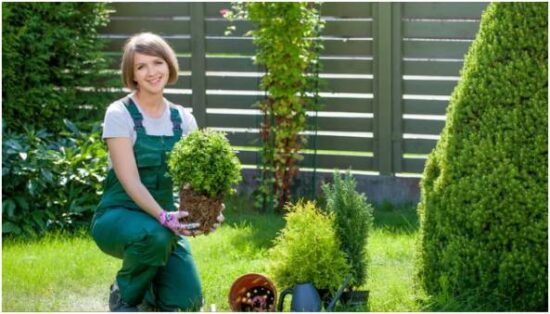
Plant Types for Beginners
For newly minted landscapers, starting your planting journey with highly resilient and notoriously low-maintenance plants is strongly advisable. Perennials are a fantastic investment because they often return year after year, slowly growing larger and more robust with each passing season. Conversely, annuals provide immediate, brilliant bursts of seasonal color but must be replaced every single year.
It is highly beneficial to seriously consider utilizing native plants that are already perfectly adapted to your specific local climate; these native varieties naturally require significantly less water, less fertilizer, and far less overall care than exotic imports. Always thoroughly research their expected mature size, specific light requirements, and watering needs before placing them in the ground.
The Importance of Seed Selection
While buying established nursery plants offers instant gratification, growing from seed is an incredibly economical way to fill large garden spaces. Seed selection is just as important as choosing the right potted plants. High-quality seeds ensure better germination rates and produce stronger, more vigorous seedlings.
When selecting grass seed for a new lawn, for example, it is crucial to choose a blend that matches your specific sun exposure and expected foot traffic levels. Starting vegetable gardens or vast wildflower meadows from seed requires patience, but it allows beginners to experiment with a much wider variety of unique plant species that are often unavailable at local garden centers.
Conclusion
Landscaping your own yard is a highly rewarding endeavor when you have the right materials. By understanding the fundamentals of soil health, hardscaping elements, mulching options, and plant selection, you are well on your way to building a vibrant outdoor space and maximizing land value. Take your time to plan carefully and choose high-quality materials to ensure your beautiful garden thrives for many years.