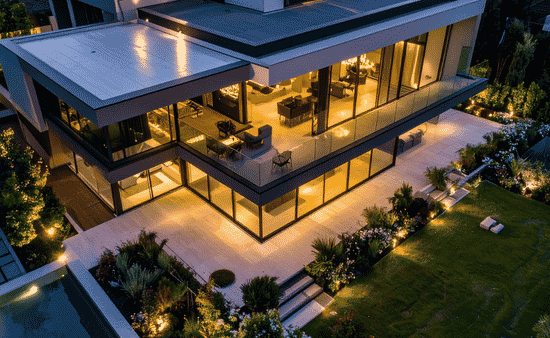




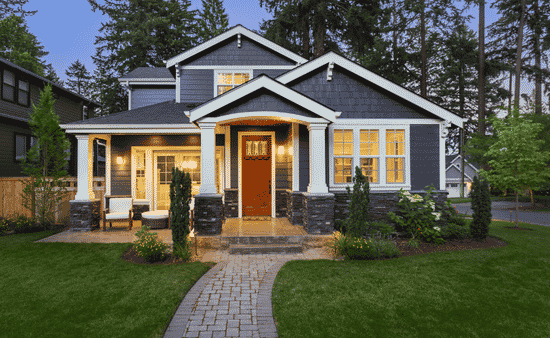
The concept of a dream home is often associated with pristine surfaces and delicate decor. However, for the family that thrives on movement, outdoor exploration, and rugged hobbies, this traditional vision is often impractical.
An adventurous family requires a living space that functions as both a high-efficiency basecamp and a restorative sanctuary. Designing such a home requires a departure from standard aesthetics toward a philosophy of durability, clever organization, and resilience.
The Architecture of Transition
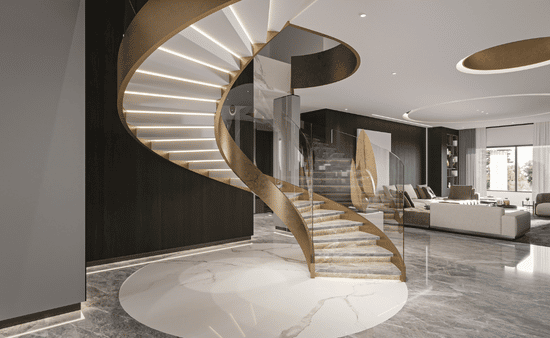
The most critical area for an active household is the transition zone between the outdoors and the interior living space. A standard foyer is rarely sufficient for people returning from a week of camping or an afternoon of mountain biking. Instead, a dedicated mudroom should serve as a decontamination zone.
In this space, flooring must be impervious to water and abrasion. Natural slate, textured porcelain tile, or sealed concrete are ideal choices because they can be easily hosed down or mopped without the risk of warping.
Natural slate is especially valued for its durability and moisture resistance, qualities that reflect some of the key benefits of slate roofing, where long-lasting performance and resilience against the elements are equally important.
Drainage is another vital consideration; a slight slope in the floor toward a central drain allows for the easy cleaning of muddy boots and wet paws. Built-in cabinetry should prioritize open cubbies over closed doors to encourage airflow, preventing the buildup of moisture and odors in gear.
Materials That Endure the Elements
When selecting materials for the main living areas, the goal is to find surfaces that look better with age or are nearly impossible to damage. Natural wood with a high Janka hardness rating, such as hickory or white oak, can handle the occasional dropped carabiner or the claws of a large dog. Distressed finishes are particularly effective because new scratches or dents simply blend into the existing character of the wood.
For countertops, quartz or soapstone provides a non-porous surface that resists staining from outdoor grease or organic matter. In the lounge, performance fabrics are essential. These textiles are engineered to repel liquids and resist fading, ensuring that a sofa remains a place of comfort rather than a source of stress after a dusty day on the trail.
By choosing a palette inspired by the natural world—deep forest greens, slate grays, and warm earth tones—the home feels connected to the environments the family loves to explore.
Scaling for Gear and Equipment
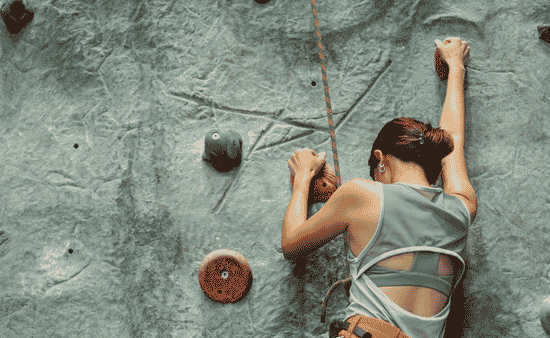
The true challenge of the adventurous home lies in the sheer volume of equipment. Bicycles, kayaks, skis, and climbing kits require significant square footage and specialized storage solutions. While a standard garage might suffice for some, many families find that their hobbies eventually outgrow their primary residence.
In regions where outdoor activity is a way of life, secondary structures become a necessity rather than a luxury. For instance, if the existing garage is overflowing with recreational vehicles and seasonal tools, seeking a professional metal building installer in Huntsville can provide a path toward a custom, climate-controlled workshop.
These steel structures offer the vertical clearance needed for hanging kayaks or stacking storage crates, and they provide a secure environment for expensive mechanical equipment that should not be left exposed to the humidity or fluctuating temperatures.
Integrating Indoor and Outdoor Living
A home for the adventurous should never feel like a fortress that shuts out the world. Large glass doors and expansive windows serve a dual purpose: they allow for constant visual monitoring of the weather and terrain, and they create a seamless flow for hosting outdoor gatherings.
Strategic lighting is another way to bridge the gap between the interior and the landscape. Subtle, low-voltage path lighting and warm-toned exterior sconces ensure that the transition from a late-evening return to the comfort of the kitchen is safe and welcoming. Hardscaping should also be prioritized, with stone patios or decks designed to handle heavy traffic and outdoor cooking setups that make it easy to prepare meals under the stars.
Spaces for Recovery and Reflection
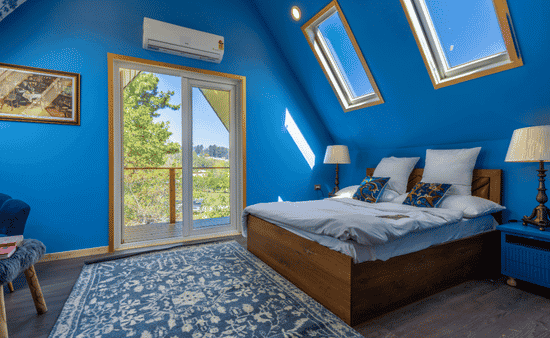
While much of the design focuses on action, the home must also facilitate rest. Adventurous lifestyles are physically demanding, making the bathroom and bedroom essential recovery zones. Deep soaking tubs or high-pressure steam showers help soothe sore muscles, while acoustic dampening in the bedrooms ensures a deep, uninterrupted sleep.
These thoughtful features also support the goal of designing a home that grows with your family’s needs, creating comfortable spaces that promote wellness and adapt to changing lifestyles over time.
Soundproofing is especially important in open-concept homes where the clatter of gear being cleaned in the mudroom might otherwise disturb someone resting in another part of the house. Using solid-core doors and heavy curtains can significantly reduce noise transfer, maintaining a sense of peace regardless of the activity level elsewhere.
The Philosophy of the Evolving Home
Ultimately, a home designed for an adventurous family is never truly finished. It is a living entity that evolves as children grow or as new passions are discovered. The most successful designs are those that offer flexibility. Wide hallways, modular shelving systems, and unfinished utility spaces allow the home to adapt to the changing needs of its inhabitants.
By focusing on utility and resilience, the home becomes a tool that supports a life lived to the fullest. It is a place where the dirt from a long hike is welcomed as a sign of a day well spent, and where every design choice is made with the intention of making the next adventure just a little bit easier to start.