





Relocating to a completely different state is a major life transition that promises fresh opportunities and distinct environments.
Whether you are moving for a career advancement, family reasons, or simply a desire for a change of scenery, the excitement can sometimes be overshadowed by the sheer volume of logistics involved. Crossing state lines requires far more coordination than a standard local move, as you must manage legal transitions, long-distance transportation, and precise timing.
The secret to a successful cross-country transition lies in early organization and a structured timeline. By tackling the process systematically, you can mitigate anxiety and ensure your household items arrive safely at your new residence.
Establishing the Timeline and Budget
A successful relocation depends heavily on your initial planning phase. Waiting until the last month to coordinate details frequently results in inflated costs and limited options.
Creating a Strategic Countdown
As soon as the relocation is confirmed, establish an eight-week countdown schedule. Use the initial weeks to research your new location, sort through possessions, and acquire estimates from transport providers.
A clear calendar allows you to allocate specific tasks to each weekend, preventing a chaotic rush during the final days before departure.
Financial Planning and Allocation
Out-of-state moves incur distinct costs that local transitions do not face, such as highway tolls, fuel surcharges, lodging during transit, and storage fees.
Outline a comprehensive budget that covers these variables. Additionally, allocate funds for setting up your new household, including utility deposits and initial grocery trips.
Decluttering and Inventory Management
Transporting items across hundreds of miles is expensive, as long-distance moving fees are typically calculated by total weight or volume. Sorting through your belongings beforehand saves considerable capital and effort.
The Reduction Process
Go through every room, closet, and storage area to categorize items into pieces to keep, donate, sell, or discard. Be ruthless during this process.
If an item has not been used during the past year, it is likely not worth the cost of transporting it across state lines. Hold a yard sale or utilize digital marketplaces to liquidate unwanted goods, applying the profits directly to your moving fund.
Documenting Valuables
Construct a detailed digital inventory of everything you intend to transport. Take clear photographs of expensive electronics, furniture, and family heirlooms before they are packed.
This documentation provides critical proof in the unlikely event that items are damaged or misplaced during transit.
Selecting a Transportation Method
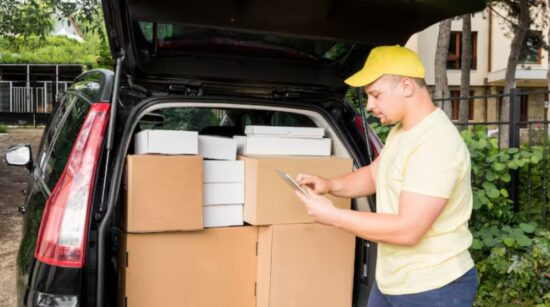
Every household has unique transport requirements based on budget, total volume of goods, and driving preferences. Choosing the correct vehicle configuration is essential for an efficient journey.
Professional Movers versus Self-Driving
Hiring a full-service relocation company minimizes physical labor but requires a flexible delivery window, as large vans often combine multiple shipments. Conversely, renting a truck or operating your own towing setup grants absolute control over your arrival schedule.
Utilizing Heavy-Duty Equipment
For individuals with considerable property, delicate machinery, or multiple recreational vehicles, standard rental trucks might lack the security or space required. Investing in or utilizing specialized hauling equipment ensures absolute protection from highway debris and weather variables.
For example, exploring enclosed trailers for sale in Salt Lake City or regional transit hubs allows buyers to acquire secure, lockable transport that can be towed behind a personal truck and retained for future storage needs.
This method guarantees that valuable items remain completely dry and isolated from external elements throughout a multi-state trek.
Managing Administration and Legal Transitions
An out-of-state move involves terminating your status in one jurisdiction and establishing it in another. Handling these details ahead of time prevents service gaps and legal complications.
Utility Transitions and Address Updates
Coordinate with your current service providers to disconnect electricity, gas, water, and internet on the day following your departure. Simultaneously, schedule the activation of utilities at your new residence for the day prior to your arrival.
File an official change of address with the postal service and update your information with financial institutions, insurance providers, and medical offices.
License and Registration Compliance
Every state enforces specific deadlines for new residents to update their driving credentials and vehicle registration, often ranging between thirty and sixty days after establishing a domicile.
Research the specific department of motor vehicles regulations at your destination to determine what documentation, such as birth certificates or physical utility bills, is necessary to secure a new regional identification card.
Settling Into the New Residence

The arrival phase requires just as much organization as the packing process to ensure a welcoming transition.
As you settle in, it also helps to think about future home updates, like things that homeowners should know before remodeling can make it easier to plan improvements once the move is complete.
The First-Night Essentials Box
Pack a designated box with items required immediately upon arrival, including toiletries, basic tools, phone chargers, bedding, and a few change of clothes.
Transport this container in your personal vehicle rather than the main cargo area so it remains accessible the moment you open the front door of your new home.
Inspecting and Unpacking
Before carrying heavy furniture inside, inspect the entire property for any pre-existing damage or maintenance issues. Clean the floors and cabinets while the space is empty.
Once the home is unpacked and basic maintenance is checked, outdoor updates can come next, and the materials every beginner landscaper should know can help you plan a more practical and manageable yard setup.
Once unpacking begins, focus on assembling beds and organizing the kitchen first, allowing the household to rest and eat comfortably as you gradually organize the remaining rooms over the subsequent week.