




analytics = 833.322.6760, 8448520347, 800 notes, 7168738800, 8005113030, 8662783536, 9525620902, 8333163276, 9133123280, 8558425860, 8777640833, 2567447500, 18669852273, 8559977348, 8775895169, 6123010199, 8777458562, 8447297641, 8556792141, 5018218349, 6468760617, 8559712260, 8557390856, 8339310230, 3106677534, 8339842440, 9547875035, 6163306276, 18004441676, 8558348495, 7864225581, 9094067513, 8602739995, 18339793337, 8553020376, 9513245248, 5164226400, 2675259887, 8339060641, 8139469478, 2486022768, 2064395787, 5595330138, 5127649161, 8163354148, 5165660135, 9723750568, 2085144125, 18559694636, 5028227768, 5104709740, 2107644963, 9513947262, 8772865954, 6266570594, 8442891118, 8008280146, 7714445409, 8664368150, 18006951063, 8779140059, 8017425882, 2245434298, 4234820546, 8442712583, 9547434255, 8445073876, 18662058022, 18004367961, 8445369495, 8448747445, 9513895348, 8017835887, 9136778319, 5095810139, 18005271339, 6178265171, 8338428100, 4699988648, 8337030945, 5132830807, 8669072272, 7027650554, 18003959733, 8882288896, 8007017918, 8882961958, 9164315240, 3134238040, 8333859445, 8885090457, 8008399369, 9183984181, 6125681561, 8555737348, 7035746171, 9804026136, 3392036535, 8014388165, 8339124265, 2484556960, 8652940491, 6788532772, 18002319631, 4432611224, 5174402172, 5166448345, 8574156189, 9208318998, 2814084487, 3237827205, 9035937800, 6147636366, 8886375121, 18667153526, 6156855230, 9133120992, 6027675274, 8326849631, 6363626977, 8014388261, 6163306271, 5128465056, 6164252258, 8008994047, 6506189519, 5133970850, 8006601779, 8668010144, 8555894252, 6163177933, 4079466140, 8655460256, 18884209943, 3464268887, 8442449538, 7043866623, 8444211229, 8102759257, 4345281742, 9493175442, 4123879299, 8382211532, 3309133963, 5109849896, 8556482575, 7072899821, 2014658491, 6032157860, 7628001252, 2082327328, 3522492899, 972-476-8208, +1 (800) 555-0433, 7753840563, 4694890551, 8327349150, 2702971125, 8008545695, 6106006953, 2146516900, 9037651217, 7047058890, 8668219635, 8033391481, 9592307317, 8595594907, 8332685291, 8555710330, 8778334675, 2102440850, 18008778623, 9513387286, 4029339118, 6103444430, 8662222197, 7273618338, 6159840902, 8555154190, 8668418679, 8338780449, 5417666200, 9185121419, 3237160444, 3606338450, 6198259510, 8888570668, 8083399481, 18668404246, 9032130471, 18007457354, 8662900505, 9512277184, 14075830183, 877-613-7414, 8669145806, 8884135452, 8339870385, 5412621272, 4085397900, 4049960554, 9043278492, 8008109337, 3148962604, 2625778200, 2533722173, 7702240355, 2602796153, 8442568097, 4045674598, 8778135595, 6627789116, 8666148679, 432.535.3346, 8552199473, 18008784733, 8656696225, 4172640211, 2694480187, 8004800186, 8728107133, 8554290124, 8445417310, 8088094977, 3854774827, 6149229865, 8558318013, 8886227328, 8669289240, 2162086661, 8449263585, 8656868483, 9126165004, 4342647097, 4698902115, 9738424694, 8009249033, 8662962852, 8004836205, 7637606200, 9549534317, 9085288998, 8665592621, 9097290670, 8885365114, 6282074108, 9515725134, 9725268500, 18886918661, 4028589809, 5135840000, 9542026998, 3606338409, 3392120655, 9375304801, 4699825009, 7158365720, 7133540191, 5176576800, 7015400761, 8007620276, 7314100312, 8133644313, 4014142386, 8556829141, 18003473764, 5163279500, 2177711746, 8338394140, 8008442881, 8442356275, 9737509291, 8053218829, 5138030600, 866.266.1445, 18667066894, 18448302149, 9592998000, 8668518500, 3618257777, 8132108253, 9134285296, 18667331800, 6182062806, 6196931509, 5052530598, 2692313137, 8322632311, 4089635659, 3122340781, 8665270007, 8884315114, 8327010295, 8886230286, 18337632033, 7276978680, 8662847625, 7046297142, 5709082790, 6176829138, 18663243120, 18888447979, 833-793-2634, 3146280822, 2817169800, 8003966861, 2092152027, 8772379648, 8779100501, 6304497394, 6613686626, 7864325077, 8667061341, 8443168434, 18007793351, 2816679193, 6182213001, 8165459795, 800-660-1779, 3865648082, 4057539884, 6304757000, 8665212613, 8339014153, 4018686200, 7177263148, 8446717272, 6026889985, 6122950822, 18775007697, 8727025274, 877-870-8046, 4107533411, 8594902586, 3175548779, 4023164651, 8442409757, 6155909241, 4692706636, 8447089406, 2183167675, 9367097999, 18003239865, 5107750767, 8336411330, 8666136856, 8776137414, 5048420550, 8174924769, 409-761-7631, 8772810415, 6175170000, 6176447300, 516-644-8345, 8014388150, 8014363101, 8446600349, 8445720731, 8446012486, 9529772019, 8004160599, 2105867691, 8174761844, 8777665220, 3606338365, 2159873706, 8126413070, 7578520784, 2155830758, 2133442341, 8014388461, 8556302480, 9013702057, 6467622601, 7083655202, 1-877-870-8046, 2505814253, 8152877145, 2173264646, 7654422019, 8442677109, 844-306-7833, 8775787552, 8624140848, 8555422416, 9544406856, 8009410164, 2193102036, 3237460973, 8332178326, 8133207059, 18003105587, 8178548532, 8772595779, 8044452446, 8336852203, 5136555021, 8042933450, 713-332-2838, 8556769075, 8447100373, 8446180908, 6512551000, 6144058912, 8332891205, 8336370667, 8124350998, 7133537813, 312-653-2073, 7083919045, 5403084012, 9529790948, 2177491008, 4079466142, 8333880562, 6183319022, 8776363716, 8012367598, 2816916103, 5165029686, 6087759139, 9045699303, 5614348400, 9085056898, 9297441323, 18002201614, 844-391-1092, 3364387172, 4708878685, 9803167472, 2093324588, 4052173481, 3055038807, 9044785041, 7137309500, 9513707315, 18002378990, 6232238196, 5026653794, 4057240741, 9543793034, 8884700655, 9512521067, 5703752113, 9299952002, 2565103546, 8134486919, 6266390332, 4049650560, 5303227024, 5106464099, 4075457432, 18663524737, 8887278618, 8084899138, 5082518001, 3183544193, 8037168112, 4807508966, 8586578575, 2095506110, 18008898740, 5416448102, 8666687301, 919.214.5402, 5864987122, 6302429143, 9547459648, 4844836206, 7145099696, 8665838119, 8004439164, 8007082736, 8779949115, 8003280355, 4085982269, 424.385.0597, 4054483292, 4694096508, 18884534330, 4844522185, 3606338412, 7133322838, 8007430511, 4703975724, 8082130841, 18662916365, 8664482002, 5707403282, 4072037536, 8332665655, 8557074599, 18555013051, 8668446972, 5128425148, 8337932634, 8329751010, 6156759252, 7173219013, 5165660134, 6152482618, 888-785-2471, 8553395442, 7204563710, +1 (312) 653-2073, 8339833264, 8555159372, 8448348551, 8665207789, 4072357388, 8883237625, 8014388316, 5622422106, 412-405-6064, 7657513244, 4089773512, 4176225719, 866.376.4584, 8166310333, 4122148544, 5702803018, 8667677603, 5407317304, 8054296716, 9712734028, 5102572527, 18776898870, 2075485013, 8559590200, 9545058434, 9089558128, +1 (320) 207-5189, 8447553258, 8662261020, 7135568949, 6303879597, 4149558701, 7209152170, 8008298374, 8558078675, 8666136857, 8669972488, 2014623980, 8013365041, 7083164009, 6622553743, 4158519136, 8339721292, 18008994047, 201-462-3963, 8887852471, 7702823288, 18007450572, 2672232367, 8333425412, 8008423225, 6516034340, 9044210685, 3032423254, 8777708065, 8043123644, 5138600470, 4073030519, 18009359935, 9152453436, 3308355902, 4125577457, 5183636075, 3362525901, 18663902348, 8143590227, 18009145582, 8172104278, +1 (866) 593-3926, 2105201454, 8332316512, 866.914.5806, 866-613-6857, 7819276501, 8332819623, +1 (866) 613-6857, 5135696117, 6506819470, 6147320721, 866-702-4725, 6266577222, 4055638384, +1 (614) 890-1025, 9036860067, 2816701587, 2487855500, 8442006330, +1 (623) 462-7106, 8666746861, 7158988041, 877 770 8125, 7343485117, 9727530822, 8776380175, +1 (866) 914-5806, 6126721631, 18003653234, 9512237966, 5702771040, 5025155312, 7172515048, 18005303790, 214-226-9139, 8889764904, 4025595100, 8448439155, 8016192557, 6083255121, 2403122052, 8335841371, 4044133261, 8324583317, 6233529406, 5208663325, 8776421554, 8014075254, 877 613 7414, 18005284800, 5135723375, 5034614545, 206-453-2329, 801-413-7200, +1 (855) 283-3957, 8004351415, 18888002527, 8776236765, 5094747159, 6036681119, 4086921193, +1 (877) 647-8551, 8087680000, 8337002510, 7174070772, maxwell and bryant group, 8668594380, 7177896033, 7208481788, 866-914-5806, 18009220204, +1 (888) 994-2320, 18003683110, 8666484519, 2107829213, 8882795504, 662-255-3743, 5052779866, 7172968088, 7756877101, 800-276-3744, 18004321000, 8883731969, +1 (800) 530-3790, 6157471813, 6788062977, 402-220-1248, 9525630843, 8662855312, 8776918086, 877-417-4551, 877-770-8125, 8884640727, 8435820002, 8884141045, 5202263623, 8339901915, 8559731040, 4043853637, 888-991-5696, +1 (877) 770-8125, 6158007010, 888-250-7027, 8889346489, +1 (888) 993-2902, 8003318859, 2252143974, 8442449425, 7144490377, 8014137200, 8333725815, +1 (800) 435-1415, 6097982556, 8155179338, 3158495499, 4014446877, 9472221080, 18009454701, +1 (888) 611-6904, 8553308653, 855-581-1994, 4243459294, 866-716-9062, 6468882001, 866-680-8628, +1 (978) 938-4194, 201-462-3980, 855-419-7365, +1 (847) 426-9203, 7033320600, +1 (800) 988-8019, 8888922253, 888 266 2278, 8003973342, 8884864722, 8009220204, 7205366300, 7136965500, 866-593-3926, 9514254239, 2069220880, 5732452104, +1 (800) 654-8818, 7632743899, 916-545-8389, 888 934 6489, 5627253046, 7175316640, 877-556-9255, +1 (540) 546-0824, 978 444 5700, 8888023080, 4014303033, 8008757159, 206 453 2329, 855-330-8653, 3462149844, 8659469900, 1-800-388-5512, +1 (206) 922-0880, 4433979200, 8667620558, +1 (866) 348-6231, 5712932365, 6786662731, 1-800-432-1000, 5043842543, 8434384166, +1 (888) 899-6650, 8777284206, 6152130831, 8002760901, 8663486231, 2128459525, 8009520270, 8885130708, 18004365657, 888-899-6650, 8005550433, 8338950323, 8559422422, 8009552292, 4845263150, 8595929161, 3602199415, 402 935 7733, 8558998232, 8888426328, 18009398164, 18002818274, 4122676767, 4179900203, +1 (800) 528-4800, 18886166411, 8004517269, 5705590121, 5157353419, 921 area code, +1 (888) 373-1969, 8015260950, 4077322416, 6788532430, 513-831-2600, 888-373-1969, 18003801196, 8442437370, +1 (404) 806-4811, 8886890122, area code 531, +1 (800) 946-0332, 707, 888 373 1969, 6178788190, 8558369705, 248-434-5508, 844 area code, 8552073383, 1111111111, 2257653120, 6189446426, 6292588750, 800-922-0204, 18009346489, 407-732-2416, 5136961920, 18669544405, 9199147004, 8442069035, 480, 18335421564, 6148901025, +1 (800) 608-2581, 800 922 0204, +1 (888) 486-4722, po box 247001, 9043807465, 612-815-5000, 6105462466, 18336421007, 18009228228, 235 area code, 18002823214, +1 (877) 647-8552, 8777335189, 3333, 8009200482, 8552780432, 8332076202, 365 area code, 639 area code, 18666201302, 18003472275, 763-274-3899, 8558590047, 18003047265, 8886116904, 7139369494, 18008887243, 6126722492, 3139607914, 8665160115, area code 639, +1 (800) 955-6600, 8009888019, 18005237020, 8669288598, 3372695110, 18448238902, 8666808628, 8336977328, 8774220763, 5107474557, 9133863627, 8008420588, 8556148530, 8009420854, 8663287946, 8888399638, 18005567677, 2069267485, 1-800-745-7354, 5405460589, 8654706200, 8664683371, 18003973342, 3202075189, 8009200477, 800-528-4800, area code 825, +1 (800) 943-2189, 5095528142, 438, 984, 18662525777, 18002965598, 18003151907, 18887291404, 8005284800, 8003371809, 8008870224, 8779020006, 844-206-9035, 8655237183, 7342320000, 9999999999, 888-611-6904, 18009001361, 18007771681, 8002149506, 999-999-9999, 8009556500, 5039458199, callerescort, 2815176333, 18667465501, 18006347404, 6233529402, 8552296544, 8889942320, 18009556600, 8008693557, 8664548855, 5405460824, 8665933926, 8554197365, 8448268400, area code 204, 8667679323, 8665728798, 8008456167, 6303837266, 9512432271, 866 area code, 8664084070, 8002799032, 888-802-3080, 781-694-9000, 18005328082, 888-934-6489, 8666740156, 8056377243, 1223, 2163489700, 8339342639, 18887106818, 8004633339, 2064532329, 8004321000, 18003145524, 18002045785, 7817966000, 8339140595, 8668586729, 18002763214, 8889417233, 8557077328, 226 area code, 8009460332, 805-637-7243, 866-712-7753, 781-566-8000, 204 area code, 18882662278, 800-845-6167, 8008600644, 877.714.1509, 18003182596, 201, 8776478552, 8008520411, 8009666546, 7816569000, 800-463-3339, 9784445700, 800 955 6600, 1-800-865-9408, 800-966-6546, 8664300311, 844-466-5519, 800-655-2265, 5138312600, 1-800-522-5633, 8556248963, 8665359492, 8882662278, 800-227-4825, 1-800-227-4825, 8882804331, 1-833-275-3287, 800-955-6600, 3343963000, 855-707-7328, 866-858-6729, 8662581104, 18007332767, 3123804033, 800-288-2020, 8337351894, 7815668000, 6174885400, 410-965-1234, 1-800-925-6278, portfoliorecov, 8009432189, 8667127753, 833-267-6094, 888-266-2278, 8883347978, 866-258-1104, 8009505114, 8884694520, 800-292-7508, 877-242-7372, 813 area code, 8662387212, 1-800-955-6600, 8553376884, 609 area code, 8008413000, *86, 1-800-937-8997, 5278, 8009556600, 888-469-4520, 312-380-4033, 8009557070, 470 area code, 800-279-9032, 18003280355, 844-227-5237, 1-800-841-3000, 8167127753, 1-800-528-4800, 1-800-463-3339, 1-800-935-9935, 71924449671, 8882211161, 18007241633, 8008232318, 1-800-837-4966, 402-935-7733, 18002241591, 800-823-2318, 21038516219, 1-877-825-3242, 800-925-6278, 1-833-873-8237

Simple Grooming Practices for a Confident You

Confidence often starts with how we present ourselves. Simple grooming practices can make a world of difference, helping you feel more polished, professional, and ready to tackle each day. You don’t need elaborate routines or expensive products—small, consistent habits are the key.

1. Maintain Personal Hygiene

Personal hygiene is the foundation of grooming. Regular showers, washing your hands, and keeping nails trimmed are basic but essential practices. Cleanliness not only improves your appearance but also enhances your self-esteem and how others perceive you. A fresh, well-groomed appearance sends a silent message of care and attention to detail.

2. Care for Your Hair

Care for Your Hair

Hair is often one of the first things people notice. Regular washing, trimming split ends, and using suitable hair products keep your hair looking healthy and vibrant. Whether your hair is long, short, curly, or straight, finding a routine that works for your hair type will help you look polished without much effort. Even simple styles, like brushing daily or tying hair neatly, contribute significantly to a confident appearance.

3. Maintain Oral Health

A bright smile can greatly impact your confidence. Brushing twice a day, flossing, and using mouthwash are basic yet crucial steps. Regular dental checkups are equally important. For those in North Dakota, a trusted dentist in Minot, ND, can ensure your teeth remain healthy and your smile shines. Oral hygiene affects not only your appearance but also your overall health, making it a vital part of your grooming routine.

4. Skincare Matters

Skincare Matters

Healthy, well-cared-for skin contributes significantly to a confident appearance. A simple skincare routine includes cleansing, moisturizing, and applying sunscreen daily. Tailor your products to your skin type and concerns, whether it’s dryness, oiliness, or sensitivity. Even a few minutes spent on skincare each day can prevent long-term damage and keep your skin looking youthful and vibrant.

5. Dress Smartly

Clothing is an extension of your grooming routine. Wearing clean, well-fitted clothes enhances your appearance instantly. You don’t need a designer wardrobe—simple, comfortable, and neat clothing can make a big impact. Ironing your clothes, choosing complementary colors, and dressing appropriately for the occasion reflect self-respect and confidence.

6. Pay Attention to Nails

Manicured nails aren’t just about aesthetics; they signal attention to detail. Regularly trimming and cleaning nails prevents issues like hangnails and infections. For those who prefer, simple nail care routines or professional manicures can maintain a neat appearance. Clean nails may seem minor, but they are a subtle yet powerful part of grooming that others notice.

7. Maintain a Healthy Lifestyle

Grooming isn’t limited to appearance—it’s also about feeling your best. Regular exercise, a balanced diet, and staying hydrated improve your overall look and well-being. Exercise boosts circulation, which can make your skin glow, and a nutritious diet provides essential vitamins that enhance hair, skin, and nails. Adequate sleep and stress management are equally important, as fatigue and tension can affect how you look and feel.

8. Practice Good Posture

Confidence is not just about looks; it’s also about body language. Standing tall and maintaining good posture conveys self-assurance. Simple practices, such as keeping your shoulders back, aligning your spine, and walking with purpose, can dramatically affect how others perceive you. Good posture also complements your grooming efforts, making you appear more polished and composed.

9. Fragrance and Final Touches

Fragrance and final touches

A subtle fragrance can enhance your presence without overwhelming others. Choose a scent that complements your personality and apply it lightly. Small touches, such as wearing clean shoes, using deodorant, and keeping accessories minimal and tidy, complete your grooming routine. These details create an overall impression of care and attention.

In Conclusion

Grooming is a simple yet powerful tool for boosting photogenic confidence. By focusing on personal hygiene, hair care, oral health, skincare, smart dressing, nail care, a healthy lifestyle, posture, and subtle finishing touches, you can enhance your appearance and self-esteem. Small, consistent practices make a big difference over time, allowing you to present the best version of yourself each day. Start with one or two habits and gradually incorporate more—it’s a journey toward a more confident, polished you.


More From Author

4 Features of Truly Family-Friendly Neighborhoods

4 Features of Truly Family-Friendly Neighborhoods

Essential Eyewear Features Every Construction Worker Should Look For

Essential Eyewear Features Every Construction Worker Should Look For

Why Some Skin Marks Fade, and Others Need Guidance

Our skin tells a story, from childhood scrapes that vanish to stubborn dark spots that linger. It’s frustrating when some marks fade quickly while others stick around, leaving us wondering—should we wait, treat, or accept it? Skin’s healing varies, and not all marks respond the same way. Understanding the difference between temporary blemishes and lasting marks is key to knowing how, or if, to treat them.

The Landscape of Skin Marks

To understand fading, we first need to categorize what we are looking at. “Skin mark” is a broad term that covers a variety of biological responses to injury, inflammation, or stretching.

Scars

Scars

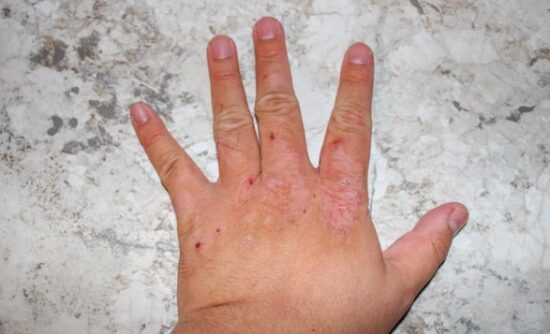
Scars form as part of the body’s natural healing process after tissue is damaged. When the skin is broken—whether by a cut, a burn, or severe acne—the body produces collagen to repair the wound. This new collagen has a different texture and quality than the surrounding tissue.

  • Atrophic scars: These appear as depressions or pits in the skin (often associated with acne or chickenpox).
  • Hypertrophic scars: These are raised and red, staying within the boundary of the original wound.
  • Keloids: These are also raised but grow beyond the original injury site due to an overproduction of collagen.

Hyperpigmentation

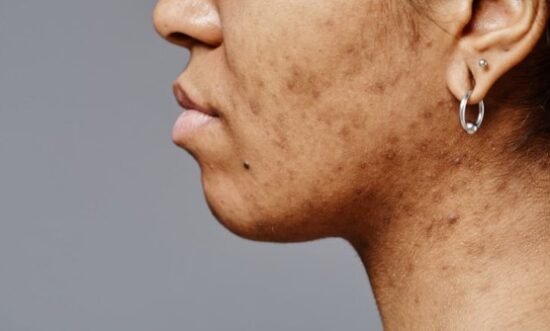
Post-inflammatory hyperpigmentation (PIH) is often mistaken for scarring, but it is actually a pigment issue. It occurs when inflammation (like a pimple or bug bite) triggers the skin to produce excess melanin. The result is a flat dark spot—ranging from pink to red, brown, or black—left behind after the injury has healed. Unlike scars, there is no change in the texture of the skin, only the color.

Stretch Marks (Striae)

These occur when the skin stretches or shrinks quickly. The abrupt change causes the collagen and elastin, which support our skin, to rupture. As the skin heals, stretch marks may appear. Initially, they might show up as red, purple, or pink lines, eventually fading to a white or silver color over time.

The Body’s Natural Eraser

The human body is in a constant state of turnover. The epidermis (the top layer of skin) continuously sheds dead cells and replaces them with new ones. This turnover cycle is the primary reason why many superficial marks fade on their own.

For minor injuries that only affect the epidermis, the skin can regenerate completely without scarring. The cells simply turn over, revealing fresh, unblemished skin underneath.

Even with deeper issues like hyperpigmentation, the natural exfoliation process helps. As pigment-heavy cells rise to the surface and shed, the dark spot slowly lightens. This is why a mosquito bite mark might look angry for a week but vanish completely after a month. The body effectively “grows out” the damage.

However, the mechanism changes when the damage reaches the dermis (the deeper layer). The body prioritizes sealing the wound quickly over making it look perfect. The resulting “patch job” is the scar tissue, which is stronger but less flexible and visually distinct from normal skin. While this tissue can remodel and soften over time, the body rarely erases it without help.

Factors That Influence Fading

Factors That Influence Fading

Why does your friend’s scrape heal in days while yours takes weeks? Several biological and environmental variables dictate the speed and success of the fading process.

Age

Cell turnover slows down significantly as we age. In babies and young children, skin heals rapidly and often with minimal scarring. As we get older, the production of collagen decreases, and the regeneration cycle lengthens. This means marks linger longer on mature skin than they do on younger skin.

Genetics and Skin Type

Your DNA plays a massive role in how your skin heals. Some people are genetically predisposed to keloid scarring, where the body creates too much scar tissue. Additionally, melanin-rich skin is more prone to hyperpigmentation. In darker skin tones, the melanocytes (pigment-producing cells) are more active, meaning even minor inflammation can trigger a lasting dark spot.

Location on the Body

Blood flow is crucial for healing. Areas with excellent blood supply, like the face, tend to heal faster than areas with poorer circulation, like the shins or feet. However, high-tension areas (like the chest or shoulders) are more prone to severe scarring because the skin is constantly being pulled and stretched.

Severity and Depth of Injury

The deeper the trauma, the less likely it is to fade naturally. A superficial scratch involves only the top layer and usually heals without a trace. A deep cut that severs the dermis destroys the structural scaffolding of the skin, making a permanent mark much more likely.

Sun Exposure

UV rays are the enemy of fading. Sun exposure stimulates pigment production, which can darken scars and hyperpigmentation, making them stand out more against the surrounding skin. It also degrades collagen, hindering the remodeling process necessary for scars to soften.

Signs You Need Professional Guidance

Signs You Need Professional Guidance

While patience is often the best remedy for minor marks, there are times when waiting isn’t enough. If you are dealing with persistent issues, it might be time to look into professional options.

The Mark Has Changed Texture

If a mark is pitted, depressed, or significantly raised, it involves structural damage to the collagen. Topical creams that claim to “erase” scars usually cannot penetrate deeply enough to fix the structure of the skin. In cases of deep pitting, professional acne scar treatments, such as those offered in Utah, may be required to smooth the skin’s surface.

It Is Affecting Your Mobility

Some scars, particularly contracture scars from burns, can tighten the skin and impair movement. If a scar feels tight, painful, or restricts your range of motion, medical intervention is necessary, not just for aesthetics but for function.

The Color Won’t Budge

Post-inflammatory hyperpigmentation usually fades within 3 to 24 months. If a dark spot has persisted for over a year despite sun protection and gentle skincare, the pigment may be seated deep in the dermis. Professional guidance can help identify if laser therapy or chemical peels are appropriate options to reach that deeper pigment.

You Are Seeing Growth

If a scar seems to be growing larger than the original wound (a sign of a keloid) or if a mole or spot changes shape, color, or border, you should seek a dermatologist immediately. This is less about aesthetics and more about ruling out health concerns.

Psychological Impact

Never underestimate the emotional toll of skin marks. If a scar, birthmark, or patch of pigmentation is causing you distress, anxiety, or affecting your self-esteem, that is a valid reason to seek guidance. You do not need a medical necessity to want to feel comfortable in your own skin.

Conclusion

Our skin is resilient but not magic. While minor marks heal naturally, deeper scars or dark spots may need extra care. Understanding the biology behind these marks is key to managing them. There’s no shame in carrying your skin’s history or seeking solutions if they no longer serve you. By considering factors like genetics and sun exposure, you can set realistic expectations and make informed choices for your skin’s health.

More From Author

Loan Approval Made Simple From Application to Cash in Hand

Loan Approval Made Simple: From Application to Cash in Hand

Why Stormwater Compliance Matters for the Environment

Why Stormwater Compliance Matters for the Environment

What Paint Protection Film Really Does for Your Car

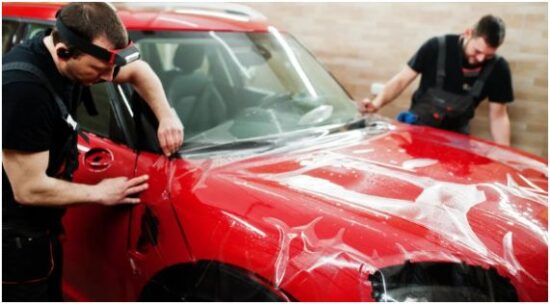
Your vehicle’s paint does more than enhance its appearance—it acts as the first line of defense against the elements. From road debris to UV rays, your car endures daily wear that can damage its exterior over time. That’s where paint protection film (PPF) comes in.

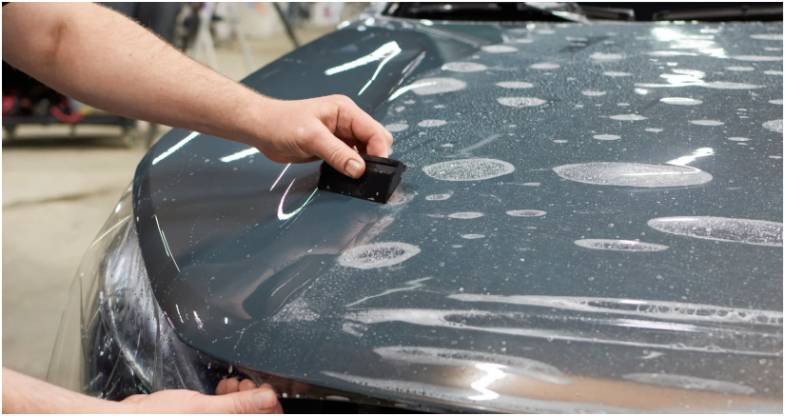
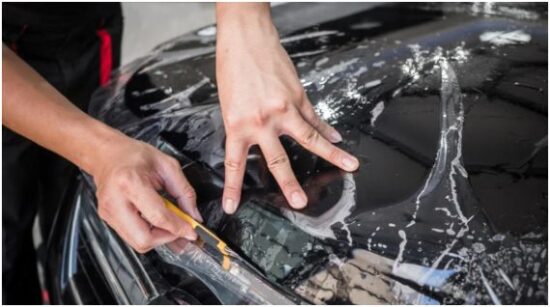
This clear, durable layer is applied to your vehicle’s painted surfaces to prevent scratches, chips, stains, and fading. For drivers who want to preserve their car’s value and appearance, PPF has become a popular solution. Choosing experienced paint protection film installers in Salt Lake is essential to keep your vehicle looking its best for years to come.

Shielding Against Road Debris and Rock Chips

Shielding Against Road Debris and Rock Chips

One of the main benefits of paint protection film is its ability to absorb impacts from small road debris like gravel, sand, and rocks. This debris can cause chips and scratches on exposed surfaces, particularly the hood, bumper, and fenders.

Flying debris is more likely in fluctuating weather, changing road conditions, construction zones, or during winter. PPF acts as a sacrificial layer that takes the damage so your car’s paint doesn’t have to. This simple measure can prevent expensive repairs and maintain your car’s appearance for longer.

Defending Your Paint from UV Damage and Fading

Defending Your Paint from UV Damage and Fading

Sunlight can take a toll on your car’s exterior over time. Continuous exposure to UV rays causes paint to fade, oxidize, and lose its luster. While this happens gradually, it becomes quite noticeable after a few years. PPF contains UV inhibitors that block these harmful rays, preserving your paint’s original color and gloss.

This protection is especially important in sunny regions or for vehicles frequently parked outside. By shielding your paint from the sun, PPF helps maintain that showroom finish for years to come.

Resisting Stains from Everyday Hazards

Your vehicle is constantly exposed to contaminants like bird droppings, tree sap, road tar, and bug splatter. These substances can be acidic or sticky, causing stains or paint damage if not removed promptly. Paint protection film (PPF) acts as a stain-resistant barrier, making it easier to clean off these hazards before they cause harm.

When properly applied, PPF protects your vehicle from cosmetic damage and chemical corrosion. Preventing stains is key to maintaining your vehicle’s appearance and resale value.

Self-Healing Technology Keeps Your Car Looking Flawless

Self-Healing Technology Keeps Your Car Looking Flawless

Modern paint protection films feature self-healing technology, which means minor scratches and swirl marks disappear when exposed to heat from the sun or warm water. This keeps your car’s surface smooth and clean without frequent polishing.

Since minor abrasions from daily driving are unavoidable, the self-healing surface reduces visible wear and keeps your car looking flawless with minimal effort. It’s one of the most advanced and convenient features of a quality PPF application.

Enhancing the Longevity of Your Vehicle’s Paint

Paint protection film offers long-term protection, preserving your vehicle’s factory finish for years. Professionally applied and maintained PPF helps retain your car’s appearance and resale value.

It also reduces the need for expensive detailing or touch-up paint jobs, saving you time and money. Investing in PPF is a smart way to safeguard your vehicle’s paint for the long haul.

Custom Coverage for High-Risk Areas

Custom Coverage for High-Risk Areas

Some vehicle owners choose to cover their entire car with PPF, but many prefer to focus on the most vulnerable areas, such as the hood, front bumper, side mirrors, fenders, and door edges. Winter weather and salt-treated roads often cause damage to these high-impact zones first.

Applying PPF to these specific areas is a cost-effective way to protect your vehicle without covering it completely. This targeted approach maximizes protection while staying within budget.

Working with Trusted Local Installers

To maximize the benefits of paint protection film (PPF), it’s crucial to work with experienced professionals. Poor installation can cause air bubbles, misaligned edges, or reduced durability.

Skilled PPF installers ensure a smooth, long-lasting finish. They understand local driving conditions and can recommend the best film and coverage for your needs. Choosing a qualified installer guarantees both quality and effective protection.

Conclusion

Your car is a significant investment, and using paint protection film (PPF) is a smart way to preserve its appearance and value. PPF shields your vehicle from chips, UV rays, and stains, and can even self-heal minor scratches.

To ensure the best results and long-lasting performance, it’s essential to work with trusted, professional installers. If you want to keep your car looking new for years, paint protection film is a worthwhile choice.

More From Author

Restore Indoor Warmth

Restore Indoor Warmth With Trusted Boiler Experts

Guide to Low-Maintenance Landscaping

Reclaim Your Weekend: The Ultimate Guide to Low-Maintenance Landscaping

Experience Nature’s Wonders with Local Planning Essentials

There is a profound sense of calm that settles in when you step away from the city and into the wild. The air smells different—crisp with pine or heavy with sea salt—and the noise of traffic is replaced by the rustle of leaves or the rush of a river.

But beneath the romantic idea of an outdoor escape lies a practical reality: nature is unpredictable. A truly great trip doesn’t just happen by accident; it is built on a foundation of careful preparation and local knowledge.

Whether you are aiming to summit a peak, camp in a dense forest, or simply hike a coastal trail, the difference between a miserable slog and a life-changing memory often comes down to logistics.

Many travelers make the mistake of relying solely on general internet searches, missing the nuanced, on-the-ground details that ensure safety and enjoyment. To truly experience nature’s wonders, you need to plan like a local.

The Power of Local Insight

The Power of Local Insight

When we scroll through social media feeds filled with breathtaking landscapes, we rarely see the planning that went into capturing that moment.

We don’t see the 4:00 AM wake-up call to beat the crowds, the specific gear needed for that terrain, or the hours spent studying trail maps.

The most valuable resource for any outdoor trip is local knowledge. General travel guides provide a broad overview, but they often lack current conditions.

A trail guide written three years ago won’t tell you that a bridge washed out last winter or that a specific trailhead is now closed for restoration.

Before you go, dig deeper than the top ten lists. Look for forums where locals discuss current conditions. Call the ranger station nearest to your destination.

Rangers are an underutilized wealth of information; they can tell you about recent bear activity, water source availability, and road conditions that GPS might miss.

For instance, if you are planning a trip to the famous Utah national parks, a quick call to a visitor center can save you hours of frustration by alerting you to construction delays or shuttle reservation requirements that aren’t immediately obvious on a map.

Decoding the Weather

“Check the weather” is standard advice, but planning an outdoor adventure requires more than just looking at a temperature high and low. You need to understand the microclimates of your destination.

In mountainous regions, the weather at the trailhead can be vastly different from the conditions at the summit.

A sunny 70-degree day in the valley can turn into a freezing rainstorm at elevation in a matter of hours. Coastal areas often grapple with marine layers that drop visibility to near zero, transforming a scenic hike into a gray walk through the clouds.

To plan effectively, look at hourly forecasts and wind speeds. Understand the seasonal patterns. Is this the time of year for afternoon thunderstorms? Is flash flooding a risk in the slot canyons you plan to explore? Preparation means packing layers that handle moisture and cold, even if the forecast looks mild.

It means knowing when to turn back because the clouds gathering on the horizon signal danger, not just a photo opportunity.

Permits, Passes, and Regulations

As outdoor recreation grows in popularity, managing human impact has become a priority for land management agencies. This has led to an increase in permit systems, reservation slots, and timed-entry requirements.

There is nothing worse than driving hours to a destination only to be turned away at the gate because you didn’t have a reservation code.

This is becoming common in many popular destinations, including several Utah national parks and other high-traffic areas across the country.

Start your planning months in advance. Identify if you need a specific pass for parking or hiking. Some permits, like those for popular backpacking routes or iconic hikes (like Angels Landing or Half Dome), operate on a lottery system that opens months prior.

Mark these dates on your calendar. Furthermore, familiarize yourself with the specific regulations of the area. are campfires allowed? Do you need a bear canister for food storage? Are dogs permitted on the trails? Respecting these rules isn’t just about avoiding fines; it’s about preserving these wild spaces for the future.

Packing for Self-Sufficiency

Packing for Self-Sufficiency

The golden rule of outdoor adventure is self-sufficiency. Even if you are visiting a well-trafficked park, you should be prepared to handle minor emergencies on your own.

This goes beyond having a first aid kit. It means carrying more water than you think you need, especially in arid climates. It means having a physical map and compass—and knowing how to use them—because cell service is rarely guaranteed in the wilderness.

Your packing list should change based on the specific location. A trip to a humid, tick-heavy forest requires different clothing and protection than a trek through high-altitude desert scrub.

Think about your footwear carefully; blisters are the number one trip ruiner. Break in your boots on local walks before tackling major elevation gains.

Leaving No Trace

Part of planning like a local is adopting the mindset of a steward. The philosophy of “Leave No Trace” is essential for protecting the environments we love.

This involves planning for waste disposal. In some sensitive environments, you are required to pack out all human waste. In others, you simply need to know where the trash receptacles are located. It also means staying on designated trails to protect fragile soil crusts and plant life.

When you plan with conservation in mind, you ensure that the wonders you are visiting remain wonderful. It shifts the focus from conquering nature to coexisting with it respectfully.

Embrace the Detour

While rigorous planning is essential, the beauty of nature often lies in the unexpected. A closed trail might lead you to a secluded lake you hadn’t considered. A sudden rainstorm might force you into a cozy local diner where you meet interesting characters.

Use your plan as a framework, not a cage. If you have done your research—checked the weather, secured your permits, packed the right gear, and consulted local resources—you have the freedom to adapt safely. You can pivot to Plan B without panic because you already know the lay of the land.

Nature rewards the prepared. By taking the time to understand the local nuances of your destination, you strip away the stress of logistics and leave room for awe.

You stop worrying about where to park or whether you have enough water, and start noticing the light filtering through the trees. That is when the real adventure begins.

More From Author

5 Aspects of Precision Smile Renewal for Modeling and Events

5 Aspects of Precision Smile Renewal for Modeling and Events

Indoor Outdoor Flow Enhancements

Indoor Outdoor Flow Enhancements for Family Spaces

5 Aspects of Precision Smile Renewal for Modeling and Events

In the world of modeling, acting, and public speaking, your image is your currency. With the advent of 4K and 8K cameras, high-definition broadcasting, and the unforgiving glare of red carpet lighting, even the smallest details of one’s appearance are magnified.

While wardrobe and makeup are essential, the smile remains the focal point of human connection.

Precision smile renewal is not just about vanity; it is a strategic career move for public figures. A balanced, radiant smile conveys health, confidence, and approachability—traits that are indispensable in front of a lens or a live audience.

Below, we explore the critical components of smile aesthetics and why they matter for those in the public eye.

1. Symmetry and Micro-Aesthetics

Symmetry and Micro-Aesthetics

The human eye is naturally drawn to symmetry. In modeling, facial symmetry is often equated with beauty, and the smile plays a massive role in this equation.

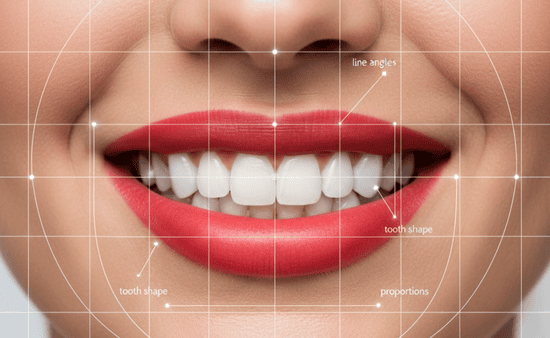
Precision renewal focuses on “micro-aesthetics,” which involves analyzing the line angles, shape, and proportions of the teeth.

For a smile to look natural yet flawless on camera, the midline of the teeth should align with the midline of the face. Cosmetic dentistry uses digital imaging to map out these proportions, correcting minor overlaps, chips, or size discrepancies that might cast unwanted shadows or create visual noise in a close-up shot.

2. Shade Consistency Under Studio Lighting

Lighting conditions at public events and photo studios are drastically different from natural daylight.

Strobe lights and high-intensity floods can expose inconsistencies in tooth color that are invisible to the naked eye. Older composite fillings or varied levels of staining can appear patchy under professional lighting.

Smile renewal focuses on achieving uniform opacity and translucency. High-quality porcelain materials mimic the way natural enamel reflects light, ensuring that the teeth do not look “flat” or artificial.

The goal is a brightness that pops without looking synthetic, maintaining a consistent shade across the entire arch.

3. Structural Integrity and Facial Support

Structural Integrity and Facial Support

Teeth do more than just help us chew; they provide vital structural support for the lower third of the face.

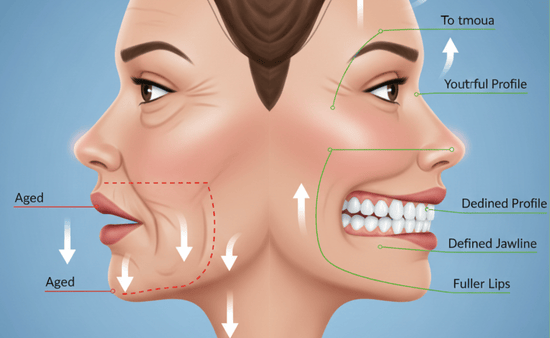
Missing or worn-down teeth can lead to a collapse in vertical dimension, causing the lips to thin and the chin to appear closer to the nose—features that can prematurely age a model or public speaker.

Restoring this structure is crucial for maintaining a youthful profile. Whether a client requires simple veneers or complex full mouth restoration in Scott, LA, ensuring the underlying foundation is solid helps preserve the natural contours of the jawline and cheeks.

This structural support is essential for maintaining the “structure” that photographers and casting directors look for.

4. The Gum-to-Tooth Ratio

Aesthetically pleasing smiles are not just about white teeth; they are about the frame around them. An uneven gum line or excessive gingival display (often called a “gummy smile”) can distract from the overall harmony of the face.

Precision renewal often includes gum contouring to balance the ratio of pink to white. By using laser technology to gently reshape the gum tissue, dental professionals can lengthen the appearance of the teeth and create a symmetrical frame.

This subtle adjustment often yields the most dramatic improvement in how a smile translates on video and film.

5. The Psychological Edge

Perhaps the most tangible benefit of smile renewal is the psychological boost it provides. Public events are high-pressure environments. If a speaker or model is self-conscious about a gap, a stain, or a crooked tooth, they will naturally hold back. They may smile less widely, cover their mouth when laughing, or speak with tension in their jaw.

When you trust your smile, you project authenticity. That unrestricted confidence reads clearly on camera and resonates with audiences. Eliminating the mental load of hiding imperfections allows public figures to focus entirely on their performance, interview, or runway walk.

Final Thoughts

For professionals in the limelight, a smile is a tool of the trade. Investing in precision aesthetics ensures that this tool is always ready for the close-up, helping to secure a polished, professional, and captivating public image.

More From Author

Regular Car Servicing Saves You Money

Why Regular Car Servicing Saves You Money in the Long Run

Experience Nature’s Wonders with Local Planning Essentials

Photogenic Confidence for Fashion and Editorial Work

There is a pervasive misconception that being photogenic is an innate trait—something you are either born with or you aren’t. We look at glossy magazine spreads and assume the model simply woke up, stepped in front of a lens, and effortlessly radiated charisma. The reality is far more technical and practiced.

Photogenic confidence is a skill, akin to public speaking or dancing. It is the result of understanding light, knowing your body, and mastering the mental game required to project emotion through a static image.

For aspiring models and editorial subjects, the camera can feel like an interrogation tool. It captures micro-expressions of hesitation and magnifies self-doubt. However, by shifting your mindset and learning the mechanics of movement, you can transform that anxiety into a powerful presence that commands attention.

It Starts in the Mind

It Starts in the Mind

The lens captures energy before it captures features. If you are mentally apologizing for being there, or worrying that you look awkward, the camera will pick up on that tension. Your eyes will look guarded, and your shoulders will instinctively hunch.

Building editorial confidence begins with dissociation. When you step onto a set, you are no longer “you” with your daily insecurities and worries; you are a character in a narrative. High-fashion editorial work is rarely about looking “pretty” in the conventional sense.

It is about creating shapes, evoking moods, and telling a story. When you treat the shoot as an acting exercise, you free yourself from the pressure of vanity. You aren’t trying to look good; you are trying to look interesting.

Mastering Your Angles and Geometry

Mastering Your Angles and Geometry

Confidence comes from competence. The more you understand how your body translates to a 2D image, the less you will worry about the outcome.

Create Triangles

The human eye loves geometry. Standing straight with your arms by your side is rarely engaging. Create triangles with your limbs. Place a hand on your hip, touch your hair with your elbow out, or separate your feet to create a wide base. These negative spaces add dynamism to the shot and guide the viewer’s eye.

The Turtle Technique

One of the most common issues in photos is the “double chin” effect, which happens even to the thinnest models when they pull their heads back. Editorial photographers often recommend “turtling”—pushing your face slightly forward toward the camera and then tipping your chin down. It feels unnatural in real life, but through the lens, it sharpens the jawline and elongates the neck.

Continuous Movement

Static posing kills energy. The best editorial shots often happen in the spaces between poses. Adopt a flow of continuous, slow-motion movement. Shift your weight from one leg to the other, turn your head slowly, or play with the fabric of your clothing. This keeps your muscles engaged and prevents the “deer in headlights” look.

The Power of the Smile and Facial Tension

The Power of the Smile and Facial Tension

While high fashion often favors the stoic, “blank canvas” expression, commercial and lifestyle editorial work requires warmth and joy. This can be a major stumbling block for many. If you are self-conscious about your teeth, your smile will never reach your eyes. You will subconsciously guard your mouth, leading to a tight, insincere expression that ruins the shot.

True photogenic confidence requires you to be at peace with your physical features. For some, this means embracing a unique gap or a crooked tooth as a signature look. For others, dental insecurities and common dental issues are a genuine psychological barrier that inhibits their performance.

If structural dental issues are preventing you from fully expressing yourself, addressing them can be a career-changing move. It is difficult to project joy when you are hiding your mouth.

For those requiring significant restoration to regain their confidence, solutions like all-on-4 dental implants in Westminster CO can provide a permanent, aesthetic foundation. Once the physical insecurity is removed, the model is free to laugh, shout, and emote without that split-second of hesitation that the camera always catches.

The Eyes: The Anchor of the Image

The Eyes: The Anchor of the Image

Tyra Banks famously coined the term “smizing” (smiling with your eyes), and it remains a cornerstone of editorial modeling. You can have the perfect pose and the perfect lighting, but if your eyes are dead, the photo fails.

To activate your eyes, you need to engage the lower eyelid. A wide-eyed stare looks fearful, while a completely relaxed eye looks bored. By slightly squinting the lower lid (a technique portrait photographer Peter Hurley calls the “squinch”), you convey intensity and confidence.

Furthermore, focus your gaze. Don’t just look “at” the camera lens; look through it. Imagine you are making eye contact with a specific person standing behind the photographer. This adds a layer of intent and connection that captivates the viewer.

Collaboration with the Photographer

Collaboration with the Photographer

Finally, remember that you are not alone. An editorial shoot is a collaboration. The photographer wants you to succeed just as much as you do.

Communication is the antidote to insecurity. Ask for feedback. Ask to see a few raw shots on the monitor (tethering) to understand how the light is hitting your face. If you see that a certain angle isn’t working, adjust.

Viewing the work in real-time can be a massive confidence booster, as you can objectively see that the “awkward” feeling you had a moment ago actually translated into a stunning, avant-garde image.

Practice Makes Permanent

You don’t need a professional studio to build these skills. Set up a tripod and your phone at home. Practice your “turtling,” your triangles, and your eye intensity. Study the results. Analyze which angles flatter your face and which expressions feel most authentic.

Photogenic confidence is not about perfection. It is about ownership. It is the ability to stand in the harsh glare of studio lights and say, without words, “I am here.” By mastering the technical aspects of posing and addressing the internal or external factors that hold you back, you can walk onto any set ready to create art.

More From Author

The Complete Guide to Strategic Metal Sourcing and Procurement

The Complete Guide to Strategic Metal Sourcing and Procurement

Specialized Care Programs for women

Specialized Care Programs Tailored to Women’s Needs