




analytics = 833.322.6760, 8448520347, 800 notes, 7168738800, 8005113030, 8662783536, 9525620902, 8333163276, 9133123280, 8558425860, 8777640833, 2567447500, 18669852273, 8559977348, 8775895169, 6123010199, 8777458562, 8447297641, 8556792141, 5018218349, 6468760617, 8559712260, 8557390856, 8339310230, 3106677534, 8339842440, 9547875035, 6163306276, 18004441676, 8558348495, 7864225581, 9094067513, 8602739995, 18339793337, 8553020376, 9513245248, 5164226400, 2675259887, 8339060641, 8139469478, 2486022768, 2064395787, 5595330138, 5127649161, 8163354148, 5165660135, 9723750568, 2085144125, 18559694636, 5028227768, 5104709740, 2107644963, 9513947262, 8772865954, 6266570594, 8442891118, 8008280146, 7714445409, 8664368150, 18006951063, 8779140059, 8017425882, 2245434298, 4234820546, 8442712583, 9547434255, 8445073876, 18662058022, 18004367961, 8445369495, 8448747445, 9513895348, 8017835887, 9136778319, 5095810139, 18005271339, 6178265171, 8338428100, 4699988648, 8337030945, 5132830807, 8669072272, 7027650554, 18003959733, 8882288896, 8007017918, 8882961958, 9164315240, 3134238040, 8333859445, 8885090457, 8008399369, 9183984181, 6125681561, 8555737348, 7035746171, 9804026136, 3392036535, 8014388165, 8339124265, 2484556960, 8652940491, 6788532772, 18002319631, 4432611224, 5174402172, 5166448345, 8574156189, 9208318998, 2814084487, 3237827205, 9035937800, 6147636366, 8886375121, 18667153526, 6156855230, 9133120992, 6027675274, 8326849631, 6363626977, 8014388261, 6163306271, 5128465056, 6164252258, 8008994047, 6506189519, 5133970850, 8006601779, 8668010144, 8555894252, 6163177933, 4079466140, 8655460256, 18884209943, 3464268887, 8442449538, 7043866623, 8444211229, 8102759257, 4345281742, 9493175442, 4123879299, 8382211532, 3309133963, 5109849896, 8556482575, 7072899821, 2014658491, 6032157860, 7628001252, 2082327328, 3522492899, 972-476-8208, +1 (800) 555-0433, 7753840563, 4694890551, 8327349150, 2702971125, 8008545695, 6106006953, 2146516900, 9037651217, 7047058890, 8668219635, 8033391481, 9592307317, 8595594907, 8332685291, 8555710330, 8778334675, 2102440850, 18008778623, 9513387286, 4029339118, 6103444430, 8662222197, 7273618338, 6159840902, 8555154190, 8668418679, 8338780449, 5417666200, 9185121419, 3237160444, 3606338450, 6198259510, 8888570668, 8083399481, 18668404246, 9032130471, 18007457354, 8662900505, 9512277184, 14075830183, 877-613-7414, 8669145806, 8884135452, 8339870385, 5412621272, 4085397900, 4049960554, 9043278492, 8008109337, 3148962604, 2625778200, 2533722173, 7702240355, 2602796153, 8442568097, 4045674598, 8778135595, 6627789116, 8666148679, 432.535.3346, 8552199473, 18008784733, 8656696225, 4172640211, 2694480187, 8004800186, 8728107133, 8554290124, 8445417310, 8088094977, 3854774827, 6149229865, 8558318013, 8886227328, 8669289240, 2162086661, 8449263585, 8656868483, 9126165004, 4342647097, 4698902115, 9738424694, 8009249033, 8662962852, 8004836205, 7637606200, 9549534317, 9085288998, 8665592621, 9097290670, 8885365114, 6282074108, 9515725134, 9725268500, 18886918661, 4028589809, 5135840000, 9542026998, 3606338409, 3392120655, 9375304801, 4699825009, 7158365720, 7133540191, 5176576800, 7015400761, 8007620276, 7314100312, 8133644313, 4014142386, 8556829141, 18003473764, 5163279500, 2177711746, 8338394140, 8008442881, 8442356275, 9737509291, 8053218829, 5138030600, 866.266.1445, 18667066894, 18448302149, 9592998000, 8668518500, 3618257777, 8132108253, 9134285296, 18667331800, 6182062806, 6196931509, 5052530598, 2692313137, 8322632311, 4089635659, 3122340781, 8665270007, 8884315114, 8327010295, 8886230286, 18337632033, 7276978680, 8662847625, 7046297142, 5709082790, 6176829138, 18663243120, 18888447979, 833-793-2634, 3146280822, 2817169800, 8003966861, 2092152027, 8772379648, 8779100501, 6304497394, 6613686626, 7864325077, 8667061341, 8443168434, 18007793351, 2816679193, 6182213001, 8165459795, 800-660-1779, 3865648082, 4057539884, 6304757000, 8665212613, 8339014153, 4018686200, 7177263148, 8446717272, 6026889985, 6122950822, 18775007697, 8727025274, 877-870-8046, 4107533411, 8594902586, 3175548779, 4023164651, 8442409757, 6155909241, 4692706636, 8447089406, 2183167675, 9367097999, 18003239865, 5107750767, 8336411330, 8666136856, 8776137414, 5048420550, 8174924769, 409-761-7631, 8772810415, 6175170000, 6176447300, 516-644-8345, 8014388150, 8014363101, 8446600349, 8445720731, 8446012486, 9529772019, 8004160599, 2105867691, 8174761844, 8777665220, 3606338365, 2159873706, 8126413070, 7578520784, 2155830758, 2133442341, 8014388461, 8556302480, 9013702057, 6467622601, 7083655202, 1-877-870-8046, 2505814253, 8152877145, 2173264646, 7654422019, 8442677109, 844-306-7833, 8775787552, 8624140848, 8555422416, 9544406856, 8009410164, 2193102036, 3237460973, 8332178326, 8133207059, 18003105587, 8178548532, 8772595779, 8044452446, 8336852203, 5136555021, 8042933450, 713-332-2838, 8556769075, 8447100373, 8446180908, 6512551000, 6144058912, 8332891205, 8336370667, 8124350998, 7133537813, 312-653-2073, 7083919045, 5403084012, 9529790948, 2177491008, 4079466142, 8333880562, 6183319022, 8776363716, 8012367598, 2816916103, 5165029686, 6087759139, 9045699303, 5614348400, 9085056898, 9297441323, 18002201614, 844-391-1092, 3364387172, 4708878685, 9803167472, 2093324588, 4052173481, 3055038807, 9044785041, 7137309500, 9513707315, 18002378990, 6232238196, 5026653794, 4057240741, 9543793034, 8884700655, 9512521067, 5703752113, 9299952002, 2565103546, 8134486919, 6266390332, 4049650560, 5303227024, 5106464099, 4075457432, 18663524737, 8887278618, 8084899138, 5082518001, 3183544193, 8037168112, 4807508966, 8586578575, 2095506110, 18008898740, 5416448102, 8666687301, 919.214.5402, 5864987122, 6302429143, 9547459648, 4844836206, 7145099696, 8665838119, 8004439164, 8007082736, 8779949115, 8003280355, 4085982269, 424.385.0597, 4054483292, 4694096508, 18884534330, 4844522185, 3606338412, 7133322838, 8007430511, 4703975724, 8082130841, 18662916365, 8664482002, 5707403282, 4072037536, 8332665655, 8557074599, 18555013051, 8668446972, 5128425148, 8337932634, 8329751010, 6156759252, 7173219013, 5165660134, 6152482618, 888-785-2471, 8553395442, 7204563710, +1 (312) 653-2073, 8339833264, 8555159372, 8448348551, 8665207789, 4072357388, 8883237625, 8014388316, 5622422106, 412-405-6064, 7657513244, 4089773512, 4176225719, 866.376.4584, 8166310333, 4122148544, 5702803018, 8667677603, 5407317304, 8054296716, 9712734028, 5102572527, 18776898870, 2075485013, 8559590200, 9545058434, 9089558128, +1 (320) 207-5189, 8447553258, 8662261020, 7135568949, 6303879597, 4149558701, 7209152170, 8008298374, 8558078675, 8666136857, 8669972488, 2014623980, 8013365041, 7083164009, 6622553743, 4158519136, 8339721292, 18008994047, 201-462-3963, 8887852471, 7702823288, 18007450572, 2672232367, 8333425412, 8008423225, 6516034340, 9044210685, 3032423254, 8777708065, 8043123644, 5138600470, 4073030519, 18009359935, 9152453436, 3308355902, 4125577457, 5183636075, 3362525901, 18663902348, 8143590227, 18009145582, 8172104278, +1 (866) 593-3926, 2105201454, 8332316512, 866.914.5806, 866-613-6857, 7819276501, 8332819623, +1 (866) 613-6857, 5135696117, 6506819470, 6147320721, 866-702-4725, 6266577222, 4055638384, +1 (614) 890-1025, 9036860067, 2816701587, 2487855500, 8442006330, +1 (623) 462-7106, 8666746861, 7158988041, 877 770 8125, 7343485117, 9727530822, 8776380175, +1 (866) 914-5806, 6126721631, 18003653234, 9512237966, 5702771040, 5025155312, 7172515048, 18005303790, 214-226-9139, 8889764904, 4025595100, 8448439155, 8016192557, 6083255121, 2403122052, 8335841371, 4044133261, 8324583317, 6233529406, 5208663325, 8776421554, 8014075254, 877 613 7414, 18005284800, 5135723375, 5034614545, 206-453-2329, 801-413-7200, +1 (855) 283-3957, 8004351415, 18888002527, 8776236765, 5094747159, 6036681119, 4086921193, +1 (877) 647-8551, 8087680000, 8337002510, 7174070772, maxwell and bryant group, 8668594380, 7177896033, 7208481788, 866-914-5806, 18009220204, +1 (888) 994-2320, 18003683110, 8666484519, 2107829213, 8882795504, 662-255-3743, 5052779866, 7172968088, 7756877101, 800-276-3744, 18004321000, 8883731969, +1 (800) 530-3790, 6157471813, 6788062977, 402-220-1248, 9525630843, 8662855312, 8776918086, 877-417-4551, 877-770-8125, 8884640727, 8435820002, 8884141045, 5202263623, 8339901915, 8559731040, 4043853637, 888-991-5696, +1 (877) 770-8125, 6158007010, 888-250-7027, 8889346489, +1 (888) 993-2902, 8003318859, 2252143974, 8442449425, 7144490377, 8014137200, 8333725815, +1 (800) 435-1415, 6097982556, 8155179338, 3158495499, 4014446877, 9472221080, 18009454701, +1 (888) 611-6904, 8553308653, 855-581-1994, 4243459294, 866-716-9062, 6468882001, 866-680-8628, +1 (978) 938-4194, 201-462-3980, 855-419-7365, +1 (847) 426-9203, 7033320600, +1 (800) 988-8019, 8888922253, 888 266 2278, 8003973342, 8884864722, 8009220204, 7205366300, 7136965500, 866-593-3926, 9514254239, 2069220880, 5732452104, +1 (800) 654-8818, 7632743899, 916-545-8389, 888 934 6489, 5627253046, 7175316640, 877-556-9255, +1 (540) 546-0824, 978 444 5700, 8888023080, 4014303033, 8008757159, 206 453 2329, 855-330-8653, 3462149844, 8659469900, 1-800-388-5512, +1 (206) 922-0880, 4433979200, 8667620558, +1 (866) 348-6231, 5712932365, 6786662731, 1-800-432-1000, 5043842543, 8434384166, +1 (888) 899-6650, 8777284206, 6152130831, 8002760901, 8663486231, 2128459525, 8009520270, 8885130708, 18004365657, 888-899-6650, 8005550433, 8338950323, 8559422422, 8009552292, 4845263150, 8595929161, 3602199415, 402 935 7733, 8558998232, 8888426328, 18009398164, 18002818274, 4122676767, 4179900203, +1 (800) 528-4800, 18886166411, 8004517269, 5705590121, 5157353419, 921 area code, +1 (888) 373-1969, 8015260950, 4077322416, 6788532430, 513-831-2600, 888-373-1969, 18003801196, 8442437370, +1 (404) 806-4811, 8886890122, area code 531, +1 (800) 946-0332, 707, 888 373 1969, 6178788190, 8558369705, 248-434-5508, 844 area code, 8552073383, 1111111111, 2257653120, 6189446426, 6292588750, 800-922-0204, 18009346489, 407-732-2416, 5136961920, 18669544405, 9199147004, 8442069035, 480, 18335421564, 6148901025, +1 (800) 608-2581, 800 922 0204, +1 (888) 486-4722, po box 247001, 9043807465, 612-815-5000, 6105462466, 18336421007, 18009228228, 235 area code, 18002823214, +1 (877) 647-8552, 8777335189, 3333, 8009200482, 8552780432, 8332076202, 365 area code, 639 area code, 18666201302, 18003472275, 763-274-3899, 8558590047, 18003047265, 8886116904, 7139369494, 18008887243, 6126722492, 3139607914, 8665160115, area code 639, +1 (800) 955-6600, 8009888019, 18005237020, 8669288598, 3372695110, 18448238902, 8666808628, 8336977328, 8774220763, 5107474557, 9133863627, 8008420588, 8556148530, 8009420854, 8663287946, 8888399638, 18005567677, 2069267485, 1-800-745-7354, 5405460589, 8654706200, 8664683371, 18003973342, 3202075189, 8009200477, 800-528-4800, area code 825, +1 (800) 943-2189, 5095528142, 438, 984, 18662525777, 18002965598, 18003151907, 18887291404, 8005284800, 8003371809, 8008870224, 8779020006, 844-206-9035, 8655237183, 7342320000, 9999999999, 888-611-6904, 18009001361, 18007771681, 8002149506, 999-999-9999, 8009556500, 5039458199, callerescort, 2815176333, 18667465501, 18006347404, 6233529402, 8552296544, 8889942320, 18009556600, 8008693557, 8664548855, 5405460824, 8665933926, 8554197365, 8448268400, area code 204, 8667679323, 8665728798, 8008456167, 6303837266, 9512432271, 866 area code, 8664084070, 8002799032, 888-802-3080, 781-694-9000, 18005328082, 888-934-6489, 8666740156, 8056377243, 1223, 2163489700, 8339342639, 18887106818, 8004633339, 2064532329, 8004321000, 18003145524, 18002045785, 7817966000, 8339140595, 8668586729, 18002763214, 8889417233, 8557077328, 226 area code, 8009460332, 805-637-7243, 866-712-7753, 781-566-8000, 204 area code, 18882662278, 800-845-6167, 8008600644, 877.714.1509, 18003182596, 201, 8776478552, 8008520411, 8009666546, 7816569000, 800-463-3339, 9784445700, 800 955 6600, 1-800-865-9408, 800-966-6546, 8664300311, 844-466-5519, 800-655-2265, 5138312600, 1-800-522-5633, 8556248963, 8665359492, 8882662278, 800-227-4825, 1-800-227-4825, 8882804331, 1-833-275-3287, 800-955-6600, 3343963000, 855-707-7328, 866-858-6729, 8662581104, 18007332767, 3123804033, 800-288-2020, 8337351894, 7815668000, 6174885400, 410-965-1234, 1-800-925-6278, portfoliorecov, 8009432189, 8667127753, 833-267-6094, 888-266-2278, 8883347978, 866-258-1104, 8009505114, 8884694520, 800-292-7508, 877-242-7372, 813 area code, 8662387212, 1-800-955-6600, 8553376884, 609 area code, 8008413000, *86, 1-800-937-8997, 5278, 8009556600, 888-469-4520, 312-380-4033, 8009557070, 470 area code, 800-279-9032, 18003280355, 844-227-5237, 1-800-841-3000, 8167127753, 1-800-528-4800, 1-800-463-3339, 1-800-935-9935, 71924449671, 8882211161, 18007241633, 8008232318, 1-800-837-4966, 402-935-7733, 18002241591, 800-823-2318, 21038516219, 1-877-825-3242, 800-925-6278, 1-833-873-8237

Tropical Crepes Waffles Food Truck Sarasota FL: A Sweet Island Treat on Wheels

If you’re craving something sweet, unique, and full of tropical flavor, the tropical crepes waffles food truck Sarasota FL scene has something special waiting for you. From freshly made crepes to crispy bubble waffles, these mobile dessert spots are quickly becoming a favorite among locals and tourists alike.

Whether you’re strolling near the beach or attending a local event, this vibrant food truck experience delivers a perfect mix of indulgence and island-inspired taste.

What Makes Tropical Crepes & Waffles So Popular?

The appeal of tropical crepes and waffles lies in their fresh ingredients, creative toppings, and eye-catching presentation. Unlike traditional desserts, these treats often feature:

  • Fresh tropical fruits like mango, pineapple, and banana
  • Sweet drizzles such as chocolate, caramel, and condensed milk
  • Unique bases like thin French-style crepes or fluffy bubble waffles

The combination creates a dessert that is both Instagram-worthy and delicious.

The Food Truck Experience in Sarasota

Sarasota, Florida is known for its vibrant food culture, and food trucks play a big role in it. A tropical crepes and waffles food truck typically operates at:

  • Local festivals and events
  • Beachside gatherings
  • Private catering functions
  • Pop-up locations across the city

Since these trucks are mobile, their location changes regularly, adding a sense of excitement—you never know where you’ll find your next favorite dessert.

Must-Try Menu Items

When visiting a tropical crepes waffles food truck in Sarasota, here are some popular choices you shouldn’t miss:

🍓 Sweet Crepes

Soft, thin crepes filled with:

  • Nutella and strawberries
  • Banana and whipped cream
  • Coconut and tropical fruit blends

🧇 Bubble Waffles

Crispy outside, soft inside waffles served with:

  • Ice cream scoops
  • Fresh fruits
  • Chocolate syrup and sprinkles

🥭 Tropical Specials

Signature items often include:

  • Mango passionfruit crepes
  • Pineapple coconut waffles
  • Exotic fruit combinations that bring island vibes

Why Locals Love It

There’s more to these food trucks than just great desserts. People in Sarasota love them because:

  • Freshly made to order – nothing sits around
  • Perfect for warm weather – light yet satisfying
  • Fun and customizable – you choose your toppings
  • Great for social outings – ideal for sharing and photos

Tips for Finding a Tropical Crepes Waffles Food Truck in Sarasota FL

Because these are mobile vendors, here’s how to track them down:

  • Follow their social media pages for daily locations
  • Check local event listings and festivals
  • Look for them at popular Sarasota hotspots and beaches
  • Book them directly for private events or parties

Final Thoughts

The tropical crepes waffles food truck Sarasota FL scene offers more than just desserts—it’s an experience filled with flavor, creativity, and fun. Whether you’re a dessert lover or just looking to try something new, these food trucks bring a refreshing twist to classic treats.

Next time you’re in Sarasota, keep an eye out for one of these vibrant trucks—you might just discover your new favorite sweet indulgence on wheels.

FAQs

1. What is a tropical crepes waffles food truck in Sarasota FL?

A tropical crepes waffles food truck in Sarasota FL is a mobile dessert vendor that serves fresh crepes and bubble waffles with tropical fruits, syrups, and creative toppings.

2. Where can I find tropical crepes and waffles food trucks in Sarasota?

You can find them at local events, beaches, festivals, and pop-up locations. Many also share their daily spots on social media.

3. What are bubble waffles?

Bubble waffles are crispy, airy waffles with a unique bubble texture. They are often served with ice cream, fruits, and sweet toppings.

4. Are tropical crepes and waffles made fresh?

Yes, most food trucks prepare crepes and waffles fresh on the spot, ensuring better taste and quality.

5. Can I book a crepes and waffles food truck for events in Sarasota?

Yes, many tropical crepes and waffles food trucks offer catering services for birthdays, weddings, corporate events, and private parties.

6. What toppings are popular on tropical crepes and waffles?

Popular toppings include Nutella, strawberries, bananas, mango, pineapple, whipped cream, chocolate syrup, and coconut flakes.


More From Author

How Recreational Sports Boost Your Body and Mind

How Recreational Sports Boost Your Body and Mind

The Essential Guide to Skin Checks in Melbourne

The Essential Guide to Skin Checks in Melbourne

How Recreational Sports Boost Your Body and Mind

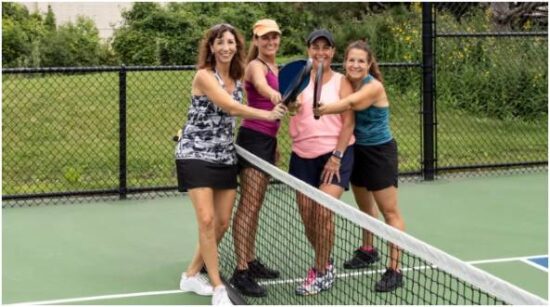
More people are lacing up their sneakers, joining local leagues, and heading to community courts than ever before. Recreational sports—once seen as a pastime for the young and athletic—have quietly become one of the most accessible and effective tools for improving overall health at any age or fitness level.

The Physical Benefits You Can Feel

The Physical Benefits You Can Feel

A Stronger Heart and Better Endurance

Most recreational sports involve sustained movement—whether that’s jogging across a soccer field, rallying in tennis, or cycling through a local trail. This kind of moderate-to-vigorous activity is exactly what cardiovascular health requires. Regular aerobic exercise strengthens the heart muscle, lowers resting blood pressure, and improves circulation over time.

The keyword here is regular. Showing up once a month won’t move the needle. But committing to a recreational league or weekly game creates a natural schedule that makes consistency easier to achieve.

Coordination, Balance, and Flexibility

Unlike running on a treadmill, sports require your body to move in multiple directions, respond to unpredictable situations, and coordinate limbs in real time. A volleyball player diving for a ball, a basketball player changing direction mid-dribble, a swimmer rotating through each stroke—all of these movements challenge your neuromuscular system in ways that traditional gym exercise often doesn’t.

Over time, this leads to better proprioception (your body’s awareness of where it is in space), improved balance, and greater functional flexibility. For older adults, especially, these gains translate directly into fall prevention and independence.

Weight Management Without the Misery

Caloric burn is a natural byproduct of recreational sport, but what makes it particularly effective for weight management is sustainability. People who participate in activities they enjoy tend to stay active longer and more consistently. An hour of recreational soccer can burn between 400 and 600 calories, and because the game demands your full attention, you’re rarely watching the clock.

How Sports Support Your Mental Health

How Sports Support Your Mental Health

The Stress-Relieving Power of Play

Physical activity triggers the release of endorphins—neurochemicals that reduce the perception of pain and produce feelings of euphoria. This response is well-documented, but recreational sport adds another layer that solo exercise often misses: the psychological relief of being fully absorbed in something.

When you’re focused on the next play, the next point, or the next lap, the mental chatter that fuels stress tends to quiet. Athletes often describe this as being “in the zone”—a state where the pressures of daily life temporarily fade.

Reducing Anxiety and Building Resilience

Anxiety thrives in stillness and uncertainty. The science behind high performance physical movement, particularly in structured, goal-oriented environments like team sports, provides the brain with a clear context and immediate feedback. You know what success looks like in this moment: score the goal, make the catch, finish the race.

Research consistently shows that people who engage in regular physical activity report lower levels of anxiety and depression. Recreational sport, specifically, has been linked to reduced cortisol levels and improved sleep quality—two factors that play a significant role in emotional regulation.

A Natural Antidepressant

Exercise alone has been sisown to be as effective as medication for mild to moderate depression in some studies. The combination of movement, social interaction, and routine that recreational sport provides creates an environment where mood improvements are almost unavoidable. You leave a game feeling better than when you arrived—and over time, that accumulates.

The Social Side: Why Community Changes Everything

The Social Side: Why Community Changes Everything

Belonging as a Health Factor

Loneliness is increasingly recognized as a public health concern, with effects on physical health comparable to smoking 15 cigarettes a day, according to some research. Recreational sports directly counter this by placing people in regular, structured social environments with a shared purpose.

Joining a local team or sports club doesn’t just give you people to play with and a way to groom yourself to stay confident among people. It gives you a reason to show up—and over time, those relationships become a source of accountability, support, and genuine connection.

Long-Term Motivation Through Social Accountability

Solo fitness routines are notoriously hard to maintain. Recreational sports solve this problem naturally. When your teammates are expecting you on Saturday morning, you’re far less likely to hit snooze. That social obligation, which might seem like pressure, actually functions as support.

Studies on exercise adherence consistently find that people who work out with others are more consistent over the long term. In a recreational sports context, that effect is amplified by the enjoyment of the activity and the relationships built around it.

Getting Started: How to Find the Right Fit

Start With What You’re Drawn To

There’s no universal “best” sport. The right choice depends on your fitness level, physical limitations, schedule, and—most importantly—what sounds genuinely appealing to you.

If you prefer low-impact activity, swimming and cycling are excellent entry points. If you want something social and competitive without intense physical demands, sports like pickleball have exploded in popularity precisely because they’re accessible to beginners and older adults while still offering a real athletic challenge. If you thrive in team environments, look into local recreational leagues for soccer, basketball, or volleyball—many cities run adult leagues specifically designed for beginners.

Consider Your Starting Point Honestly

There’s nothing wrong with being out of shape when you start. Most recreational leagues and community sports programs are designed to accommodate a wide range of fitness levels. The mistake many beginners make is choosing an activity that’s too intense too soon, getting injured or burned out, and quitting.

Start with two sessions per week. Allow your body time to adapt. Focus on showing up rather than performing perfectly. Fitness will follow.

Remove as Many Barriers as Possible

The fewer obstacles between you and your sport, the better. Choose an activity that’s available near your home or workplace. If possible, recruit a friend to join with you—the social accountability kicks in immediately. Look for programs that provide equipment or require minimal gear to get started.

The first few sessions are always the hardest. Once you find your rhythm, the sport tends to sustain itself.

Conclusion

Recreational sport is not a shortcut or a quick fix. It’s a sustainable approach to physical and mental health that works because it aligns movement with enjoyment, community, and purpose. The cardiovascular gains, the stress relief, the social connection—none of these exist in isolation. They reinforce each other, creating a compounding effect on your overall well-being.

More From Author

Guide to Opening Your Dental Office

Smiles and Success: A Guide to Opening Your Dental Office

tropical crepes waffles food truck in Sarasota FL

Tropical Crepes Waffles Food Truck Sarasota FL: A Sweet Island Treat on Wheels

Avoiding Accidents: Your Guide to Parking Lot Safety

Parking lot safety may seem mundane, but they are hotspots for accidents, theft, and injuries. Whether you’re heading to a shopping center, office complex, or school, knowing how to navigate these areas safely can protect both you and your vehicle. From cautious driving to awareness of your surroundings, there are several practical steps to minimize risks in parking lots.

1. Stay Alert and Avoid Distractions

One of the leading causes of parking lot accidents is distracted driving. People often focus on phones, GPS devices, or searching for the perfect parking spot, which reduces reaction time. Always keep your attention on the road, watch for pedestrians, and anticipate the movements of other drivers. A moment of inattention can lead to a fender-bender or a more serious collision.

2. Drive Slowly and Use Signals

Parking lots are tight spaces with vehicles moving in multiple directions. Maintaining a low speed—typically under 5–10 mph—gives you more time to react to sudden stops, pedestrians, or reversing cars. Use turn signals even for short maneuvers, as this communicates your intentions clearly and helps prevent accidents.

3. Watch for Pedestrians and Cyclists

Watch for Pedestrians and Cyclists

Pedestrian accidents are common in parking areas. People may be carrying groceries, using carts, or walking with children, making it harder for them to notice vehicles. Always scan for pedestrians, and be especially careful near entrances, crosswalks, and around corners. Remember, pedestrians have the right of way in most parking situations.

4. Choose Safe Parking Spots

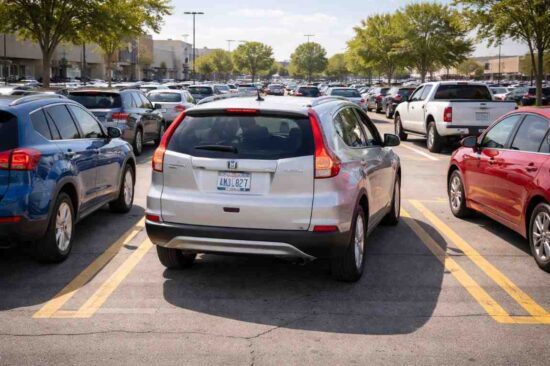
Where you park can impact your safety. Opt for well-lit areas, preferably near entrances or where security cameras are visible. Avoid spots next to vans or large trucks that can block your view of oncoming traffic. If possible, park away from high-traffic zones to reduce the risk of door dings or collisions. Consider paint protection film to reduce minor scratches.

5. Check Your Surroundings Before Exiting

Before opening your door or walking away from your vehicle, check for oncoming cars, cyclists, or other hazards. In busy lots, a quick glance can prevent minor injuries or accidental damage to your car. Teach children about family awareness on the road to do the same if they’re exiting with you.

6. Back Into Parking Spaces

Backing into a parking spot can be safer than pulling in forward. This allows you a clear view when exiting the space and reduces the likelihood of backing into pedestrians or other vehicles. While it may take a few extra seconds, this precaution is often worth it in crowded lots.

7. Practice Defensive Driving

Expect the unexpected. Other drivers may be in a hurry, distracted, or inexperienced. Keep a safe distance from neighboring cars, be prepared for sudden stops, and avoid aggressive maneuvers. Defensive driving in parking lots can prevent minor accidents from escalating.

8. Secure Your Vehicle

Secure Your Vehicle

Parking lot safety isn’t just about avoiding collisions. Theft is also a concern. Lock your doors, roll up windows, and remove valuables from sight. If your parking lot provides security personnel or surveillance, take advantage of those resources. Also, do run a check if your car is road-trip ready.

9. Be Mindful of Weather Conditions

Rain, snow, and ice can make parking lot surfaces slippery. Slow down, keep extra distance from other vehicles, and watch for puddles or ice patches. For property owners or facility managers, ensuring proper drainage and smooth surfaces—like asphalt paving in Salt Lake City—can enhance safety for everyone.

10. Report Hazards

If you notice potholes, faded markings, or malfunctioning lights, report them to the property manager. Keeping the lot in good condition prevents accidents and ensures everyone can park safely.

Conclusion

Parking lots may not seem dangerous, but they are a common site for vehicle accidents and injuries. By staying alert, driving slowly, being mindful of pedestrians, and taking preventive measures, you can significantly reduce risks. Whether you’re a driver, pedestrian, or property owner, prioritizing parking lot safety helps create a secure environment for everyone.

More From Author

Tax Depreciation Schedules and Rental Property Cash Flow

Tax Depreciation Schedules and Rental Property Cash Flow

Solo But Strong Essential Tips for Single Moms

Solo But Strong: Essential Tips for Single Moms

Trailer Buying Tips: Size, Capacity and Features Explained

Buying a trailer is an important investment, whether for work or recreation. Selecting the wrong size or weight capacity can lead to safety issues, vehicle strain, and added costs. Understanding how trailer dimensions, capacity, and features work together helps you make a smart, confident choice.

Understanding Trailer Size

Trailer size affects what you can haul, how easily you can maneuver, and how well it pairs with your towing vehicle. Length and width are the two primary dimensions to evaluate.

Longer trailers provide more space for large equipment, building materials, or multiple pieces of machinery. However, they can be more challenging to maneuver, especially in tight job sites or residential areas. Shorter trailers are easier to handle and park but may limit the type of loads you can carry. For buyers evaluating sizes and capacities, demand for dump trailers across Utah continues to grow as contractors look for reliable hauling solutions that balance strength, stability, and ease of use.

Width is equally important. A wider trailer accommodates larger machinery and improves stability, but it must comply with road regulations. Standard trailer widths typically range between 6 and 8.5 feet. Before purchasing, measure the equipment or materials you plan to transport most often to ensure a proper fit.

Another factor to consider is deck height. Lower deck heights make loading equipment easier and reduce the center of gravity, improving stability during transport. Higher deck trailers may offer more ground clearance, which is beneficial for uneven terrain.

Evaluating Weight Capacity

Weight capacity is one of the most critical aspects of buying a trailer. Every trailer has a Gross Vehicle Weight Rating (GVWR), which represents the maximum combined weight of the trailer and its cargo. Exceeding this limit can cause tire blowouts, brake failure, suspension damage, and unsafe towing conditions.

Evaluating Weight Capacity

In addition to GVWR, you should also consider payload capacity. Payload capacity refers to how much weight the trailer can carry after subtracting its own weight. Understanding this distinction prevents overloading and protects both your trailer and towing vehicle.

Axle configuration plays a significant role in determining capacity. Single-axle trailers are suitable for lighter loads and occasional use. Tandem-axle trailers distribute weight more evenly and offer better stability for heavier equipment or frequent hauling. For commercial or heavy-duty applications, dual or triple-axle setups may be necessary.

It is equally important to verify that your towing vehicle can handle the trailer’s fully loaded weight. Check your vehicle’s towing capacity in the owner’s manual and ensure it exceeds the trailer’s maximum weight. Proper weight distribution improves handling and reduces wear on your vehicle.

Choosing the Right Trailer Type

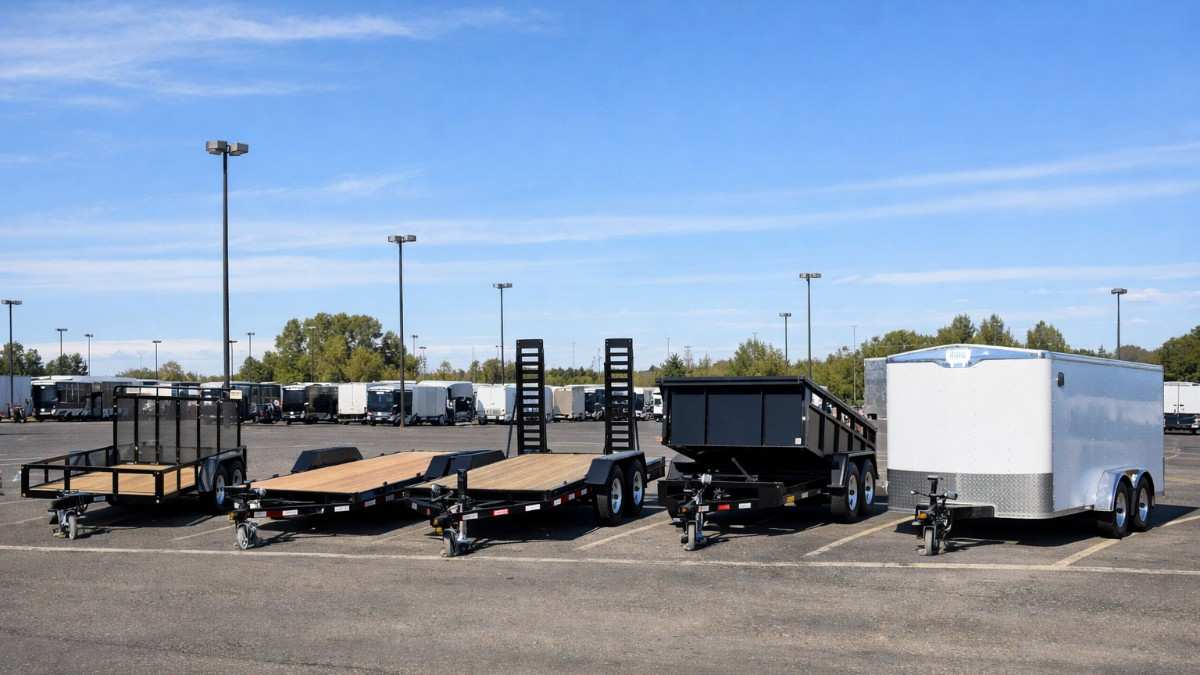
Different trailer types serve different purposes. Utility trailers are versatile and suitable for light-duty hauling such as landscaping supplies or small equipment. Flatbed trailers provide open access for oversized cargo and palletized materials. Equipment trailers are reinforced for transporting machinery like skid steers or compact tractors.

Dump trailers are ideal for hauling loose materials such as gravel, soil, or construction debris. Their hydraulic lift systems make unloading fast and efficient. Enclosed trailers protect tools, equipment, and sensitive cargo from weather and theft, making them popular among contractors and business owners.

Selecting the right trailer type ensures your investment aligns with your hauling requirements and reduces unnecessary strain on equipment.

Important Trailer Features to Consider

Beyond size and capacity, specific features can enhance safety, convenience, and durability along with enhanced vehicle longevity.

Important Trailer Features to Consider

  • Brake systems are essential for heavier loads. Electric brakes improve stopping power and are often required for trailers exceeding certain weight thresholds. A quality brake controller inside your towing vehicle ensures smooth braking performance.
  • Deck material also influences durability and maintenance. Pressure-treated wood decks are common and cost-effective, while steel decks provide added strength for heavy-duty applications. Aluminum trailers are lighter and resistant to corrosion, which can improve fuel efficiency and longevity.
  • Loading ramps are another valuable feature. Slide-in ramps or fold-down ramps make it easier to load equipment safely. Some trailers also offer dovetail designs that reduce the loading angle.
  • Tie-down points and stake pockets are critical for securing cargo properly. Adequate anchor points help prevent shifting loads during transit. For enclosed trailers, secure locking systems and reinforced doors enhance security.
  • Suspension systems affect ride quality and cargo protection. Leaf spring suspensions are common and reliable, while torsion axles provide smoother rides and reduced vibration.

Considering Long-Term Durability

Durability should always be part of your buying decision. Inspect the trailer frame for quality welds and solid construction. Powder-coated finishes offer better resistance to rust compared to standard paint. If you frequently haul in harsh weather conditions, corrosion resistance becomes even more important.

Matching Your Trailer to Your Needs

Before finalizing your purchase, think about how often you will use the trailer and what you plan to haul most frequently. Buying a slightly larger or higher-capacity trailer than your current needs may offer flexibility for future projects. However, purchasing an oversized trailer without proper towing capacity can create safety concerns.

Conclusion

Choosing the right trailer requires careful consideration of its size, load capacity, axle setup, and built-in features. These factors directly impact safety, towing performance, and overall efficiency. Taking the time to match the trailer to your specific hauling needs helps protect your cargo, reduce wear on your vehicle, and ensure dependable performance over the long term.

More From Author

Top Trending Products to Sell in Online Stores This Year

Top Trending Products to Sell in Online Stores This Year

Secured vs. Unsecured Borrowing What's the Difference

Secured vs. Unsecured Borrowing: What’s the Difference?

Hunting Smarter: Essential Tips for Every Hunter

Hunting is more than a hobby—it’s a tradition, a challenge, and for many, a way to connect with nature. Whether you’re a seasoned hunter or just starting out, there are key strategies and tips that can help you hunt smarter, not harder. By focusing on preparation, gear, safety, and techniques, you can increase your chances of success and enjoy a more rewarding experience in the field.

1. Preparation Is Key

Preparation Is Key

Before heading out, research the area you plan to hunt. Study maps, understand animal behavior, and check local hunting regulations. Knowing where your target species feeds, rests, and travels will give you a tactical advantage. Preparation also includes scouting your hunting grounds ahead of time. Look for tracks, droppings, or other signs of wildlife activity. Spending time observing from a distance can save you hours of blind searching during the actual hunt.

2. Choose the Right Gear

Having the right equipment can make or break your hunt. A high-quality rifle, bow, or shotgun suited to your game is essential. For rifle hunters, even something as simple as upgrading your AR-15 stock can improve comfort and accuracy, giving you more confidence in the field. Don’t forget the importance of proper clothing. Weather-appropriate attire, camouflage patterns that match the environment, and sturdy boots can make your hunt more comfortable and productive.

Other gear essentials include binoculars for spotting game, a rangefinder for accuracy, and a backpack with first-aid supplies, snacks, and extra ammunition. Remember, being over-prepared is better than under-prepared.

3. Practice Makes Perfect

No matter your skill level, regular practice is critical. Spend time at the shooting range or practicing your aim with a bow. Consistent practice helps develop muscle memory, improve reaction time, and reduce the chances of a missed opportunity. For hunters using firearms, practicing in various positions—standing, kneeling, and prone—prepares you for real-world situations.

Additionally, practice tracking and estimating distances. Understanding wind direction and learning how animals respond to scents and sounds will give you a strategic edge.

4. Learn to Read the Environment

Learn to Read the Environment

Smart hunters pay attention to their surroundings. Observe animal behavior and seasonal patterns. Early morning and late evening are typically the most active times for many species. Note feeding areas, bedding locations, and travel routes. Using natural cover like trees and shrubs to conceal yourself can help you get closer without alerting your target.

Consider the terrain as well. Hills, valleys, and water sources can all affect how animals move. Adjusting your hunting strategy based on the landscape can significantly improve your chances of success.

5. Prioritize Safety

Hunting is exciting, but safety must always come first. Wear blaze orange when required to remain visible to other hunters. Keep firearms pointed in a safe direction and never take a shot without being certain of your target and what’s beyond it. Carry a first-aid kit and know basic survival skills in case of emergencies.

Additionally, always inform someone of your hunting location and expected return time. Communication devices like a cell phone or GPS tracker can be lifesaving in remote areas.

6. Be Patient and Observant

Patience is a hunter’s greatest virtue. Successful hunting often requires long hours of waiting silently in one spot. Stay alert and listen for subtle signs of movement. Small sounds like a snapping twig or rustling leaves can indicate nearby wildlife. Avoid sudden movements and control your breathing to minimize detection.

Remember, hunting is as much about enjoying the outdoors as it is about the harvest. Even if your hunt is unsuccessful, observing nature and honing your skills will make your next outing more productive.

7. Ethical Hunting

Finally, hunt ethically. Respect wildlife and follow local laws and regulations. Take only responsible shots, and ensure a quick, humane harvest. Ethical hunting preserves wildlife populations and maintains the integrity of the sport for future generations.

Hunting smarter isn’t just about tools or tactics—it’s about preparation, knowledge, and respect for nature. From selecting the right gear, practicing regularly, reading the environment, and prioritizing safety, every step contributes to a more successful and fulfilling hunting experience. By embracing these essential tips, every hunter—novice or veteran—can approach the field with confidence, strategy, and an appreciation for the adventure that awaits.

More From Author

How to Choose Right Windows for your Home

How to Choose the Right Windows for Your Home

Neighborhood Glow-Up Tips for a Cleaner, More Attractive Community

Neighborhood Glow-Up: Tips for a Cleaner, More Attractive Community

Why Family Awareness Matters on the Road

Family road trips create some of our most cherished memories. Singing along to playlists, sharing snacks, and marveling at roadside attractions bring us closer together. However, these journeys also come with serious responsibilities. Keeping everyone safe requires more than just buckling up; it demands a high level of family awareness.

When you’re behind the wheel with your loved ones, the dynamic changes. Distractions multiply, emotions run higher, and the stakes feel infinitely greater. It’s not just about you anymore—it’s about the passengers who trust you to get them to their destination safely.

Understanding the importance of awareness on the road can transform how your family travels, ensuring that the only surprises you encounter are the fun kind.

This post explores why staying alert is crucial for family safety, how passengers can contribute to a safer drive, and what steps to take if the unexpected happens.

The Reality of Distracted Driving

The Reality of Distracted Driving

We often think of distracted driving as texting or calling, but with a car full of family members, distractions take on many forms. A crying baby, arguing siblings, or a spouse trying to navigate can all pull a driver’s focus away from the road.

According to the National Highway Traffic Safety Administration (NHTSA), taking your eyes off the road for just five seconds at 55 mph is like driving the length of an entire football field with your eyes closed.

Family awareness starts with recognizing these unique distractions. It means understanding that the driver’s primary job is operating the vehicle, not mediating disputes or finding dropped toys. By acknowledging these risks, families can work together to minimize them.

The Co-Pilot’s Crucial Role

The person in the passenger seat isn’t just along for the ride; they are the co-pilot. This role is vital for maintaining safety and reducing driver stress. A proactive co-pilot manages navigation, controls the music, handles communications, and assists with the needs of children in the back seat.

By taking on these tasks, the co-pilot allows the driver to keep their eyes on the road and hands on the wheel. This division of labor creates a safer environment for everyone. It also sets a positive example for younger passengers, teaching them that road safety is a team effort.

Teaching Kids to Be Safe Passengers

Children learn by observation, but direct instruction is also powerful. Teaching kids how to be safe passengers is an investment in your family’s safety. Explain why sudden loud noises or throwing objects can be dangerous. Create games that encourage quiet observation of the road or scenery.

Older children and teens can be enlisted as safety monitors. Give them the responsibility of checking seatbelts or spotting road signs. This not only keeps them engaged but also instills a sense of responsibility regarding road safety that will serve them well when they eventually learn to drive.

Emotional Awareness Behind the Wheel

Emotional Awareness Behind the Wheel

Road rage and stress are significant hazards. Long drives can fray nerves, leading to aggressive driving behaviors that endanger everyone. Family awareness includes monitoring the emotional climate inside the car.

If the driver feels overwhelmed or angry, it’s time for a break. Pulling over to stretch, get fresh air, or switch drivers can reset the mood. Recognizing when fatigue or emotion is compromising safety is a key component of responsible family travel. It shows that you value safety over speed or schedule.

Preparing for the Unexpected

Even the most vigilant families can find themselves in difficult situations. Accidents happen, and being prepared is part of being aware. This preparation involves knowing what to do immediately following an incident to ensure everyone’s physical and legal safety.

First, check for injuries and move to a safe location if possible. Call emergency services and exchange information with other drivers. Documenting the scene with photos and notes is also essential. However, the aftermath can be confusing, especially when dealing with insurance companies and legal requirements in unfamiliar territories.

For instance, understanding local laws is vital if you are traveling out of state. If you find yourself in a collision while visiting the Beehive State, knowing how to deal with insurance after accident in Utah can save you significant stress. Laws regarding fault and coverage vary by state, and navigating them without local knowledge can be tricky. Being aware that you might need professional advice is a smart proactive measure.

Routine Maintenance Checks

Awareness isn’t limited to what happens while driving; it extends to the condition of your vehicle. A family aware of safety risks ensures their car is road-ready before every trip. This means checking tire pressure, fluid levels, brakes, and lights.

Involving the family in these checks can be educational. It demonstrates that vehicle maintenance is a non-negotiable part of driving. When everyone understands that a well-maintained car is a safe car, they are more likely to respect the vehicle and the rules of the road.

The Impact of Fatigue

Drowsy driving is a silent killer. On long family trips, the urge to push through to the next stop can be strong, but it’s dangerous. A tired driver has slower reaction times and impaired judgment.

Family members should watch out for signs of driver fatigue, such as frequent yawning, drifting lanes, or heavy eyelids. Empowering passengers to speak up when they notice the driver looks tired can prevent accidents. Establish a rule that allows anyone to call for a break without argument. This collective vigilance acts as an extra safety net.

Building a Culture of Safety

Ultimately, family awareness on the road is about building a culture of safety that travels with you. It’s about shifting the mindset from “me vs. the road” to “us keeping each other safe.” It requires open communication, shared responsibility, and a commitment to patience.

When every family member plays a part in road safety, the journey becomes smoother and more enjoyable. You reduce the risk of accidents and ensure that the memories you make are happy ones. So, before you pull out of the driveway on your next adventure, take a moment to remind your crew that safety is a team sport.

More From Author

What to Look for in Roof Replacement in Montgomery

What to Look for in Roof Replacement in Montgomery

roofing company in Chesterland OH

Key Questions to Ask Before a Commercial Roof Installation in Chesterland