




analytics = 833.322.6760, 8448520347, 800 notes, 7168738800, 8005113030, 8662783536, 9525620902, 8333163276, 9133123280, 8558425860, 8777640833, 2567447500, 18669852273, 8559977348, 8775895169, 6123010199, 8777458562, 8447297641, 8556792141, 5018218349, 6468760617, 8559712260, 8557390856, 8339310230, 3106677534, 8339842440, 9547875035, 6163306276, 18004441676, 8558348495, 7864225581, 9094067513, 8602739995, 18339793337, 8553020376, 9513245248, 5164226400, 2675259887, 8339060641, 8139469478, 2486022768, 2064395787, 5595330138, 5127649161, 8163354148, 5165660135, 9723750568, 2085144125, 18559694636, 5028227768, 5104709740, 2107644963, 9513947262, 8772865954, 6266570594, 8442891118, 8008280146, 7714445409, 8664368150, 18006951063, 8779140059, 8017425882, 2245434298, 4234820546, 8442712583, 9547434255, 8445073876, 18662058022, 18004367961, 8445369495, 8448747445, 9513895348, 8017835887, 9136778319, 5095810139, 18005271339, 6178265171, 8338428100, 4699988648, 8337030945, 5132830807, 8669072272, 7027650554, 18003959733, 8882288896, 8007017918, 8882961958, 9164315240, 3134238040, 8333859445, 8885090457, 8008399369, 9183984181, 6125681561, 8555737348, 7035746171, 9804026136, 3392036535, 8014388165, 8339124265, 2484556960, 8652940491, 6788532772, 18002319631, 4432611224, 5174402172, 5166448345, 8574156189, 9208318998, 2814084487, 3237827205, 9035937800, 6147636366, 8886375121, 18667153526, 6156855230, 9133120992, 6027675274, 8326849631, 6363626977, 8014388261, 6163306271, 5128465056, 6164252258, 8008994047, 6506189519, 5133970850, 8006601779, 8668010144, 8555894252, 6163177933, 4079466140, 8655460256, 18884209943, 3464268887, 8442449538, 7043866623, 8444211229, 8102759257, 4345281742, 9493175442, 4123879299, 8382211532, 3309133963, 5109849896, 8556482575, 7072899821, 2014658491, 6032157860, 7628001252, 2082327328, 3522492899, 972-476-8208, +1 (800) 555-0433, 7753840563, 4694890551, 8327349150, 2702971125, 8008545695, 6106006953, 2146516900, 9037651217, 7047058890, 8668219635, 8033391481, 9592307317, 8595594907, 8332685291, 8555710330, 8778334675, 2102440850, 18008778623, 9513387286, 4029339118, 6103444430, 8662222197, 7273618338, 6159840902, 8555154190, 8668418679, 8338780449, 5417666200, 9185121419, 3237160444, 3606338450, 6198259510, 8888570668, 8083399481, 18668404246, 9032130471, 18007457354, 8662900505, 9512277184, 14075830183, 877-613-7414, 8669145806, 8884135452, 8339870385, 5412621272, 4085397900, 4049960554, 9043278492, 8008109337, 3148962604, 2625778200, 2533722173, 7702240355, 2602796153, 8442568097, 4045674598, 8778135595, 6627789116, 8666148679, 432.535.3346, 8552199473, 18008784733, 8656696225, 4172640211, 2694480187, 8004800186, 8728107133, 8554290124, 8445417310, 8088094977, 3854774827, 6149229865, 8558318013, 8886227328, 8669289240, 2162086661, 8449263585, 8656868483, 9126165004, 4342647097, 4698902115, 9738424694, 8009249033, 8662962852, 8004836205, 7637606200, 9549534317, 9085288998, 8665592621, 9097290670, 8885365114, 6282074108, 9515725134, 9725268500, 18886918661, 4028589809, 5135840000, 9542026998, 3606338409, 3392120655, 9375304801, 4699825009, 7158365720, 7133540191, 5176576800, 7015400761, 8007620276, 7314100312, 8133644313, 4014142386, 8556829141, 18003473764, 5163279500, 2177711746, 8338394140, 8008442881, 8442356275, 9737509291, 8053218829, 5138030600, 866.266.1445, 18667066894, 18448302149, 9592998000, 8668518500, 3618257777, 8132108253, 9134285296, 18667331800, 6182062806, 6196931509, 5052530598, 2692313137, 8322632311, 4089635659, 3122340781, 8665270007, 8884315114, 8327010295, 8886230286, 18337632033, 7276978680, 8662847625, 7046297142, 5709082790, 6176829138, 18663243120, 18888447979, 833-793-2634, 3146280822, 2817169800, 8003966861, 2092152027, 8772379648, 8779100501, 6304497394, 6613686626, 7864325077, 8667061341, 8443168434, 18007793351, 2816679193, 6182213001, 8165459795, 800-660-1779, 3865648082, 4057539884, 6304757000, 8665212613, 8339014153, 4018686200, 7177263148, 8446717272, 6026889985, 6122950822, 18775007697, 8727025274, 877-870-8046, 4107533411, 8594902586, 3175548779, 4023164651, 8442409757, 6155909241, 4692706636, 8447089406, 2183167675, 9367097999, 18003239865, 5107750767, 8336411330, 8666136856, 8776137414, 5048420550, 8174924769, 409-761-7631, 8772810415, 6175170000, 6176447300, 516-644-8345, 8014388150, 8014363101, 8446600349, 8445720731, 8446012486, 9529772019, 8004160599, 2105867691, 8174761844, 8777665220, 3606338365, 2159873706, 8126413070, 7578520784, 2155830758, 2133442341, 8014388461, 8556302480, 9013702057, 6467622601, 7083655202, 1-877-870-8046, 2505814253, 8152877145, 2173264646, 7654422019, 8442677109, 844-306-7833, 8775787552, 8624140848, 8555422416, 9544406856, 8009410164, 2193102036, 3237460973, 8332178326, 8133207059, 18003105587, 8178548532, 8772595779, 8044452446, 8336852203, 5136555021, 8042933450, 713-332-2838, 8556769075, 8447100373, 8446180908, 6512551000, 6144058912, 8332891205, 8336370667, 8124350998, 7133537813, 312-653-2073, 7083919045, 5403084012, 9529790948, 2177491008, 4079466142, 8333880562, 6183319022, 8776363716, 8012367598, 2816916103, 5165029686, 6087759139, 9045699303, 5614348400, 9085056898, 9297441323, 18002201614, 844-391-1092, 3364387172, 4708878685, 9803167472, 2093324588, 4052173481, 3055038807, 9044785041, 7137309500, 9513707315, 18002378990, 6232238196, 5026653794, 4057240741, 9543793034, 8884700655, 9512521067, 5703752113, 9299952002, 2565103546, 8134486919, 6266390332, 4049650560, 5303227024, 5106464099, 4075457432, 18663524737, 8887278618, 8084899138, 5082518001, 3183544193, 8037168112, 4807508966, 8586578575, 2095506110, 18008898740, 5416448102, 8666687301, 919.214.5402, 5864987122, 6302429143, 9547459648, 4844836206, 7145099696, 8665838119, 8004439164, 8007082736, 8779949115, 8003280355, 4085982269, 424.385.0597, 4054483292, 4694096508, 18884534330, 4844522185, 3606338412, 7133322838, 8007430511, 4703975724, 8082130841, 18662916365, 8664482002, 5707403282, 4072037536, 8332665655, 8557074599, 18555013051, 8668446972, 5128425148, 8337932634, 8329751010, 6156759252, 7173219013, 5165660134, 6152482618, 888-785-2471, 8553395442, 7204563710, +1 (312) 653-2073, 8339833264, 8555159372, 8448348551, 8665207789, 4072357388, 8883237625, 8014388316, 5622422106, 412-405-6064, 7657513244, 4089773512, 4176225719, 866.376.4584, 8166310333, 4122148544, 5702803018, 8667677603, 5407317304, 8054296716, 9712734028, 5102572527, 18776898870, 2075485013, 8559590200, 9545058434, 9089558128, +1 (320) 207-5189, 8447553258, 8662261020, 7135568949, 6303879597, 4149558701, 7209152170, 8008298374, 8558078675, 8666136857, 8669972488, 2014623980, 8013365041, 7083164009, 6622553743, 4158519136, 8339721292, 18008994047, 201-462-3963, 8887852471, 7702823288, 18007450572, 2672232367, 8333425412, 8008423225, 6516034340, 9044210685, 3032423254, 8777708065, 8043123644, 5138600470, 4073030519, 18009359935, 9152453436, 3308355902, 4125577457, 5183636075, 3362525901, 18663902348, 8143590227, 18009145582, 8172104278, +1 (866) 593-3926, 2105201454, 8332316512, 866.914.5806, 866-613-6857, 7819276501, 8332819623, +1 (866) 613-6857, 5135696117, 6506819470, 6147320721, 866-702-4725, 6266577222, 4055638384, +1 (614) 890-1025, 9036860067, 2816701587, 2487855500, 8442006330, +1 (623) 462-7106, 8666746861, 7158988041, 877 770 8125, 7343485117, 9727530822, 8776380175, +1 (866) 914-5806, 6126721631, 18003653234, 9512237966, 5702771040, 5025155312, 7172515048, 18005303790, 214-226-9139, 8889764904, 4025595100, 8448439155, 8016192557, 6083255121, 2403122052, 8335841371, 4044133261, 8324583317, 6233529406, 5208663325, 8776421554, 8014075254, 877 613 7414, 18005284800, 5135723375, 5034614545, 206-453-2329, 801-413-7200, +1 (855) 283-3957, 8004351415, 18888002527, 8776236765, 5094747159, 6036681119, 4086921193, +1 (877) 647-8551, 8087680000, 8337002510, 7174070772, maxwell and bryant group, 8668594380, 7177896033, 7208481788, 866-914-5806, 18009220204, +1 (888) 994-2320, 18003683110, 8666484519, 2107829213, 8882795504, 662-255-3743, 5052779866, 7172968088, 7756877101, 800-276-3744, 18004321000, 8883731969, +1 (800) 530-3790, 6157471813, 6788062977, 402-220-1248, 9525630843, 8662855312, 8776918086, 877-417-4551, 877-770-8125, 8884640727, 8435820002, 8884141045, 5202263623, 8339901915, 8559731040, 4043853637, 888-991-5696, +1 (877) 770-8125, 6158007010, 888-250-7027, 8889346489, +1 (888) 993-2902, 8003318859, 2252143974, 8442449425, 7144490377, 8014137200, 8333725815, +1 (800) 435-1415, 6097982556, 8155179338, 3158495499, 4014446877, 9472221080, 18009454701, +1 (888) 611-6904, 8553308653, 855-581-1994, 4243459294, 866-716-9062, 6468882001, 866-680-8628, +1 (978) 938-4194, 201-462-3980, 855-419-7365, +1 (847) 426-9203, 7033320600, +1 (800) 988-8019, 8888922253, 888 266 2278, 8003973342, 8884864722, 8009220204, 7205366300, 7136965500, 866-593-3926, 9514254239, 2069220880, 5732452104, +1 (800) 654-8818, 7632743899, 916-545-8389, 888 934 6489, 5627253046, 7175316640, 877-556-9255, +1 (540) 546-0824, 978 444 5700, 8888023080, 4014303033, 8008757159, 206 453 2329, 855-330-8653, 3462149844, 8659469900, 1-800-388-5512, +1 (206) 922-0880, 4433979200, 8667620558, +1 (866) 348-6231, 5712932365, 6786662731, 1-800-432-1000, 5043842543, 8434384166, +1 (888) 899-6650, 8777284206, 6152130831, 8002760901, 8663486231, 2128459525, 8009520270, 8885130708, 18004365657, 888-899-6650, 8005550433, 8338950323, 8559422422, 8009552292, 4845263150, 8595929161, 3602199415, 402 935 7733, 8558998232, 8888426328, 18009398164, 18002818274, 4122676767, 4179900203, +1 (800) 528-4800, 18886166411, 8004517269, 5705590121, 5157353419, 921 area code, +1 (888) 373-1969, 8015260950, 4077322416, 6788532430, 513-831-2600, 888-373-1969, 18003801196, 8442437370, +1 (404) 806-4811, 8886890122, area code 531, +1 (800) 946-0332, 707, 888 373 1969, 6178788190, 8558369705, 248-434-5508, 844 area code, 8552073383, 1111111111, 2257653120, 6189446426, 6292588750, 800-922-0204, 18009346489, 407-732-2416, 5136961920, 18669544405, 9199147004, 8442069035, 480, 18335421564, 6148901025, +1 (800) 608-2581, 800 922 0204, +1 (888) 486-4722, po box 247001, 9043807465, 612-815-5000, 6105462466, 18336421007, 18009228228, 235 area code, 18002823214, +1 (877) 647-8552, 8777335189, 3333, 8009200482, 8552780432, 8332076202, 365 area code, 639 area code, 18666201302, 18003472275, 763-274-3899, 8558590047, 18003047265, 8886116904, 7139369494, 18008887243, 6126722492, 3139607914, 8665160115, area code 639, +1 (800) 955-6600, 8009888019, 18005237020, 8669288598, 3372695110, 18448238902, 8666808628, 8336977328, 8774220763, 5107474557, 9133863627, 8008420588, 8556148530, 8009420854, 8663287946, 8888399638, 18005567677, 2069267485, 1-800-745-7354, 5405460589, 8654706200, 8664683371, 18003973342, 3202075189, 8009200477, 800-528-4800, area code 825, +1 (800) 943-2189, 5095528142, 438, 984, 18662525777, 18002965598, 18003151907, 18887291404, 8005284800, 8003371809, 8008870224, 8779020006, 844-206-9035, 8655237183, 7342320000, 9999999999, 888-611-6904, 18009001361, 18007771681, 8002149506, 999-999-9999, 8009556500, 5039458199, callerescort, 2815176333, 18667465501, 18006347404, 6233529402, 8552296544, 8889942320, 18009556600, 8008693557, 8664548855, 5405460824, 8665933926, 8554197365, 8448268400, area code 204, 8667679323, 8665728798, 8008456167, 6303837266, 9512432271, 866 area code, 8664084070, 8002799032, 888-802-3080, 781-694-9000, 18005328082, 888-934-6489, 8666740156, 8056377243, 1223, 2163489700, 8339342639, 18887106818, 8004633339, 2064532329, 8004321000, 18003145524, 18002045785, 7817966000, 8339140595, 8668586729, 18002763214, 8889417233, 8557077328, 226 area code, 8009460332, 805-637-7243, 866-712-7753, 781-566-8000, 204 area code, 18882662278, 800-845-6167, 8008600644, 877.714.1509, 18003182596, 201, 8776478552, 8008520411, 8009666546, 7816569000, 800-463-3339, 9784445700, 800 955 6600, 1-800-865-9408, 800-966-6546, 8664300311, 844-466-5519, 800-655-2265, 5138312600, 1-800-522-5633, 8556248963, 8665359492, 8882662278, 800-227-4825, 1-800-227-4825, 8882804331, 1-833-275-3287, 800-955-6600, 3343963000, 855-707-7328, 866-858-6729, 8662581104, 18007332767, 3123804033, 800-288-2020, 8337351894, 7815668000, 6174885400, 410-965-1234, 1-800-925-6278, portfoliorecov, 8009432189, 8667127753, 833-267-6094, 888-266-2278, 8883347978, 866-258-1104, 8009505114, 8884694520, 800-292-7508, 877-242-7372, 813 area code, 8662387212, 1-800-955-6600, 8553376884, 609 area code, 8008413000, *86, 1-800-937-8997, 5278, 8009556600, 888-469-4520, 312-380-4033, 8009557070, 470 area code, 800-279-9032, 18003280355, 844-227-5237, 1-800-841-3000, 8167127753, 1-800-528-4800, 1-800-463-3339, 1-800-935-9935, 71924449671, 8882211161, 18007241633, 8008232318, 1-800-837-4966, 402-935-7733, 18002241591, 800-823-2318, 21038516219, 1-877-825-3242, 800-925-6278, 1-833-873-8237

Experience Stress Free Relocation with You Pack Removals

Moving house or relocating a business can often be stressful and demanding. With numerous tasks that need to be managed, from packing to transportation, it can quickly become an overwhelming experience.

However, with the help of professional removal services, such as You Pack Removals, the entire process can be simplified and transformed into a stress-free journey.

Understanding the Hassles of Moving

Understanding the Hassles of Moving

The moving process involves several steps that can be time-consuming and physically exhausting. Packing each item with care, ensuring that fragile items are secure, dealing with the logistics of transportation, and unloading and unpacking at the new location, are just a few of the concerns that can burden an individual or a business during relocation.

Choosing the Right Removal Partner

Selecting the right removal company is crucial when looking for a stress-free moving experience. A reputable company, such as You Pack Removals, that offers a wide range of services tailored to individual needs can make a significant difference in easing the burden.

The You Pack Removals Advantage

The You Pack Removals Advantage

You Pack Removals provides a unique and flexible solution for those looking to move. Their approach is centred around a self-pack system that allows customers to have control over the packing of their belongings but relinquishes the stress of moving day logistics to the experts.

This innovative moving solution not only empowers clients but also gives them the opportunity to make considerable savings. By packing their own goods, clients can reduce costs that would otherwise be spent on professional packing services.

Comprehensive Moving Solutions

In addition to providing clients with the flexibility to pack at their own pace, You Pack Removals ensures that the transportation of goods is handled professionally.

Their services span across container removals, where a shipping container is delivered to your door, allowing you to fill it with your belongings. Once you’ve finished, the container is collected and transported to your new location where you can unpack at leisure.

Service Beyond Transportation

Service Beyond Transportation

The company’s commitment to service does not end with transportation. You Pack Removals offers additional resources and guidance to aid in the packing process, ensuring that belongings are packed securely and are ready for transit. This can help to minimise the risk of damage during the move.

The convenience of having a container on-site also provides the flexibility to pack and organise your belongings without the time pressure usually associated with traditional removal services. This innovative approach allows for better planning and reduces the frantic rush associated with moving day.

Seamless Interstate Moves

Seamless Interstate Moves

Interstate moves come with their own set of challenges, often heightened by the greater distances and logistical considerations. You Pack Removals caters to customers requiring interstate relocations with the same level of professionalism and convenience as local moves.

Whether you are moving across the state or across the country, their self-pack containers can be used to ensure that your belongings travel safely to your new home. With containers available in multiple sizes, they accommodate various volumes of goods, making them an ideal choice for both residential and commercial moves.

Why Choose You Pack Removals?

The benefits of opting for a company like You Pack Removals for your move are multifaceted. Not only does it provide control over the packing process, but it also offers peace of mind, knowing that the transportation aspect is in the hands of experienced professionals.

Ease and Efficiency

With the logistical complexities handled by the experts, customers can focus on other important aspects of their move, whether that be setting up services at their new location or simply saying farewell to neighbours. The ease and efficiency that this service offers turns the moving process into a less daunting experience.

Saving Time and Money

Saving Time and Money

Finding ways to save time and money without compromising on service quality is essential during a move. With You Pack Removals, customers get the dual benefit of cost-cutting through self-packing and the assurance of a professional service that’s competitively priced.

Final Thoughts

Relocating need not be synonymous with stress. By choosing a company like You Pack Removals, customers can enjoy a seamless moving experience.

Their service is an excellent example of how the relocation process can be simplified, affordable, and stress-free without sacrificing quality or care.

Embracing the innovative self-pack system that You Pack Removals offers ensures that the control stays in your hands while the heavy lifting is left to the experts. It’s moving, simplified.


More From Author

Mastering the Mat

Mastering the Mat: Exploring Team Perosh BJJ in Sydney

ultimate guide to kitchen renovations

Revitalizing Your Home: The Ultimate Guide to Kitchen Renovations in Sydney

Blapttimzaq Wagerl: Meaning, Origins, and Why the Phrase Appears Online

The phrase bhas attracted attention because it reads like a mix of something familiar and something entirely foreign. One part of the phrase is rooted in real language, while the other has no meaning in any linguistic, cultural, or technical context. This contrast creates a sense of mystery, leaving many to wonder whether the phrase is intentional or simply a digital artifact. This article explores what each component represents, why such mismatched combinations appear online, and what readers can take away from examining unusual text fragments like this.

What “Wagerl” Means in Austrian German

The second half of the phrase, wagerl, is grounded in everyday Austrian German. It is the diminutive of Wagen, meaning:

  • A small cart
  • A trolley
  • A supermarket cart
  • A pram or baby carriage

Austrian Germans use it casually, much like English speakers use “cart” or “little wagon.” The word is real, functional, and tied to a regional dialect. Its presence in the phrase gives the impression that the entire term might have meaning, which is part of why the combination catches attention.

Why “Blapttimzaq” Has No Meaning at All

Why “Blapttimzaq” Has No Meaning at All

Unlike wagerl, the word blapttimzaq does not belong to any known language. It has no dictionary entry, no cultural reference, and no recorded usage in gaming, slang, coding, marketing, linguistics, or online subcultures.

Its features suggest it originated from:

  • Random string generation
  • A corrupted data scrape
  • An auto-created username
  • Placeholder or SEO noise text
  • Algorithmic content merging

The structure resembles the kind of phonetic cluster machines produce when generating text that only looks language-like. There is no connection between this string and the German noun next to it, which supports the idea that their pairing happened accidentally.

How Phrases Like This Appear on the Internet

Unusual word pairings usually come from environments where text is produced, scraped, or merged automatically. The phrase blapttimzaq wagerl falls neatly into these scenarios.

Auto-Generated SEO Pages

Low-quality sites sometimes publish thousands of pages filled with nonsense words paired with real terms to manipulate search engines. These pages often contain text fragments that look similar to this phrase.

Username and Content Collisions

If a user with a random username posts a comment or review, scraping tools might pull the username into the body text. That creates odd combinations such as a nonsense name followed by a real noun.

Data Scraping Errors

Automated scraping tools sometimes merge labels, descriptions, and surrounding text incorrectly. A fragment containing wagerl could have been concatenated with a corrupted string, producing the accidental phrase.

Is It a Hidden Message or Slang?

Is It a Hidden Message or Slang

There is no indication that the phrase carries hidden meaning or belongs to any established terminology. Extensive checks across language databases, slang archives, technical forums, and niche online communities reveal no intentional use of it anywhere. The pairing of a legitimate word with a meaningless string is a common artifact of scraped text or automated content generation rather than coded communication. Such combinations often appear when data sources merge incorrectly or when low-quality algorithms attempt to mimic natural language. In this case, nothing suggests deliberate design or insider reference—only an accidental digital byproduct.

Breaking Down the Phrase

A closer look illustrates how the two components differ.

Linguistic Breakdown of “Blapttimzaq Wagerl”

Component Origin Meaning Notes
blapttimzaq None None Likely machine-generated or corrupted text
wagerl Austrian German Small cart, trolley, or pram Common in informal speech
Combined phrase None None No semantic link; appears accidental

This contrast explains why readers may feel the phrase almost makes sense but ultimately does not.

How Experts Interpret Nonsense-Looking Strings

How Experts Interpret Nonsense-Looking Strings

Researchers and digital analysts classify words like blapttimzaq into several categories.

Machine-Generated Noise

Systems trained to mimic human language often create clusters of letters that resemble words but hold no meaning. These patterns appear in synthetic text, language testing models, and spam generators.

Input or OCR Distortion

Typos caused by keyboard slip, mobile autocorrect failure, or optical character recognition errors can also generate strange strings. The uneven structure of blapttimzaq supports this possibility.

Residual Cyber Footprints

Databases, forums, and automated tools sometimes leave behind random identifiers that later surface in web content through scraping. When paired with a real word, it creates the kind of hybrid fragment seen here.

Why the Two Words Appeared Together

Since wagerl is a legitimate Austrian German word, its appearance likely originated from a nearby sentence, product label, or descriptive tag during a scraping pass. The meaningless string beside it may have come from a username field, metadata snippet, or a corrupted line of text pulled in at the same moment. When automated scraping tools merge fields without clean boundaries, unusual pairings like this surface easily. There is no indication that the two terms were ever connected intentionally. In most cases, combinations like these are simply artifacts of automated data handling rather than purposeful language. They persist online only because scraped or duplicated content often circulates without manual review.

What Readers Can Learn from Text Fragments Like This

What Readers Can Learn from Text Fragments Like This

When encountering unfamiliar phrases online, readers can evaluate them using three simple checks.

Check for Real Language Elements

A basic dictionary or translation tool can quickly identify whether part of the phrase exists in a known language. In this case, only wagerl does.

Examine the Surrounding Context

Where the phrase appeared matters. If it surfaced on a scraped site, a low-quality blog, or a data-heavy repository, accidental generation is likely.

Consider Algorithmic Origin

If part of the phrase looks synthetic, the entire expression may be the result of machine automation or content merging rather than intentional writing.

FAQs

1. Is “blapttimzaq wagerl” a German phrase?

No. Only wager is German. The first part is not a word in any known language.

2. Could “blapttimzaq” be a distorted version of a real word?

There is no close match to any known English or German word. Its structure aligns with generated or corrupted text rather than a simple typo.

3. Why do real and nonsense words sometimes appear together?

This often happens in scraped content, auto-generated pages, or data collisions. A legitimate word may sit next to random text if two fields merge incorrectly.

4. Does the phrase have meaning in gaming, coding, or online slang?

No established usage appears in any major communities. Instances found online do not show thematic consistency.

Conclusion

The phrase blapttimzaq wagerl is best understood as an accidental combination of a real Austrian German word and a random, meaningless string. The only meaningful component is wagerl, which refers to a small cart or pram. The first part shows every sign of being generated by a machine, corrupted during input, or merged through automated scraping.

Understanding how such fragments form helps readers navigate today’s internet, where machine-generated content and data artifacts appear frequently. Recognizing the difference between deliberate language and accidental combinations makes it easier to evaluate the accuracy and reliability of what appears online.

More From Author

Tommy Jacobs Gaming Eyexcon

Tommy Jacobs Gaming Eyexcon: What the Trend Really Means

What Is the Full Dental Visit Process Like with a Dentist

What Is the Full Dental Visit Process Like with a Dentist in Kitchener?

Driving Green: The Key Advantages of Owning an EV

The automotive world is rapidly evolving, and electric vehicles (EVs) have emerged as a transformative force in personal and commercial transportation. More than just a trend, EVs offer a practical, environmentally friendly alternative to traditional gasoline-powered cars. With their growing popularity, it’s clear that owning an electric vehicle comes with a host of advantages that extend far beyond just reducing fuel consumption.

1. Environmental Benefits

One of the most compelling reasons to switch to an EV is the positive impact on the environment. Traditional vehicles powered by internal combustion engines release harmful emissions like carbon dioxide (CO2), nitrogen oxides, and particulate matter into the atmosphere.

These pollutants contribute to climate change, smog, and poor air quality, affecting both the planet and public health.

Electric vehicles, on the other hand, produce zero tailpipe emissions. By charging an EV with renewable energy sources such as solar or wind power, drivers can virtually eliminate their carbon footprint.

This makes EVs a crucial part of the global effort to combat climate change and transition to sustainable transportation.

2. Lower Operating Costs

Lower Operating Costs

Owning an EV can be more economical over time compared to traditional gasoline vehicles. Electricity is generally cheaper than gasoline, meaning charging your EV costs significantly less than filling a tank of fuel.

Additionally, EVs have fewer moving parts than conventional engines, which reduces wear and tear. This translates into lower maintenance costs over the lifespan of the vehicle.

Routine maintenance like oil changes, fuel filters, and spark plugs become unnecessary.

Brake wear is also minimized thanks to regenerative braking systems, which capture energy during deceleration to recharge the battery. The result is a smoother, cost-efficient driving experience.

You might like to read: Filing an Insurance Claim After a Car Accident 

3. Tax Incentives and Government Support

Many governments worldwide are incentivizing the adoption of electric vehicles. Tax credits, rebates, and reduced registration fees can significantly lower the upfront cost of an EV.

Some regions even provide perks like access to carpool lanes, free parking, or discounted tolls for electric vehicle owners.

These incentives make EVs more financially accessible and attractive for a wider audience. In addition, as more countries commit to phasing out gasoline-powered vehicles, early adoption can offer long-term benefits in terms of resale value and regulatory advantages.

4. Advanced Technology and Driving Experience

Electric vehicles are often equipped with cutting-edge technology that enhances the driving experience. Features such as adaptive cruise control, lane-keeping assistance, and intuitive infotainment systems are increasingly common.

Some EVs also incorporate innovative charging technologies like Magnetic Core Pulse Charging, which improves charging efficiency and battery longevity, allowing drivers to enjoy more reliable and faster charging cycles.

Moreover, the instant torque delivered by electric motors offers smooth, responsive acceleration that traditional engines can’t match.

Combined with quieter operation and minimal vibration, EVs provide a driving experience that is both enjoyable and refined.

5. Energy Independence and Sustainability

Energy Independence and Sustainability

Switching to electric vehicles also promotes energy independence. Gasoline prices fluctuate due to geopolitical tensions and market demands, but electricity can be produced locally from renewable sources.

By embracing EVs, communities can reduce reliance on imported fossil fuels and support sustainable energy infrastructure.

In the long run, widespread adoption of EVs encourages investment in renewable energy, smart grids, and more efficient energy storage systems.

This shift not only benefits individual drivers but also contributes to a more resilient and environmentally responsible energy ecosystem.

6. Reduced Noise Pollution

EVs are significantly quieter than traditional vehicles. The absence of a combustion engine means less engine noise, contributing to a reduction in urban noise pollution.

Quieter streets improve quality of life, particularly in densely populated areas, and can have positive effects on stress levels and overall health.

7. Future-Proofing Your Investment

With governments and automakers increasingly committed to sustainability goals, the future of transportation is clearly electric. By investing in an EV today, you are future-proofing your mobility.

As charging networks expand and battery technology improves, the convenience and capabilities of EVs will continue to grow, making them an even smarter choice for years to come.

In Conclusion

Electric vehicles are more than just a green alternative; they represent a practical, cost-effective, and technologically advanced way to drive.

From environmental benefits and lower operating costs to advanced technology and future-proofing, the advantages of owning an EV are compelling.

With innovations like Magnetic Core Pulse Charging enhancing efficiency and sustainability, there has never been a better time to embrace electric mobility.

By making the switch, drivers not only save money and enjoy a superior driving experience but also contribute to a cleaner, healthier, and more sustainable future.

More From Author

How To Choose The Best Handyman Service For Local Homes in Sugar Land

How To Choose The Best Handyman Service For Local Homes in Sugar Land

Oilfield Operations Made Smarter

Oilfield Operations Made Smarter: Tips to Boost Productivity and Profit

Revive Your Ride: The Ultimate List of Interior & Exterior Car Care Solutions

For many, a vehicle is the second largest investment they will make in their lifetime, trailing only behind purchasing a home. Despite this, the maintenance of a car’s aesthetic condition often falls by the wayside compared to mechanical upkeep like oil changes and tire rotations. Neglecting the interior and exterior cleanliness of a vehicle doesn’t just affect how it looks; it directly impacts the vehicle’s resale value and the longevity of its materials.

Over time, environmental contaminants such as road salt, bird droppings, and UV rays erode the clear coat, while interior surfaces are affected by spills, dust, and sun damage. Implementing a comprehensive care routine is essential for preserving the integrity of the car. Whether you are a DIY enthusiast or simply looking to understand what goes into a proper detail, this guide covers the essential solutions for keeping your vehicle in showroom condition.

Paint Protection Wax vs. Ceramic Coatings

1. The Two-Bucket Wash Method

One of the most common mistakes car owners make is inducing “swirl marks” or fine scratches into their paint during a wash. This often happens when a sponge, laden with grit from the car’s surface, is dipped back into a single bucket of soapy water and then applied back to the paint.

The solution is the two-bucket method. This involves using one bucket for fresh, soapy water and a second bucket filled with plain rinse water. After washing a panel, you rinse the wash mitt in the plain water to dislodge dirt particles before dipping it back into the soap. This ensures you are always applying clean suds to the paint. Using a grit guard at the bottom of the rinse bucket adds an extra layer of safety by trapping heavy dirt at the bottom, preventing it from re-attaching to your mitt.

2. Clay Bar Decontamination

Even after a thorough wash, your car’s paint might feel rough to the touch. This roughness is caused by bonded contaminants—such as industrial fallout, brake dust, and tree sap—that a standard wash cannot remove. If left untreated, these contaminants can eventually oxidize and rust.

A clay bar treatment is the most effective solution for this. By using a lubricated spray and gently gliding a specialized clay bar over the wet surface, you can physically pull these embedded contaminants out of the clear coat. The result is paint that feels as smooth as glass, which is the perfect foundation for applying wax or sealant.

3. Paint Protection: Wax vs. Ceramic Coatings

Once the paint is clean and decontaminated, it requires a sacrificial layer to protect it from the elements. Historically, Carnauba wax was the go-to solution, offering a deep, warm glow. However, wax typically only lasts a few months and offers limited protection against harsh chemicals.

Modern solutions have shifted toward synthetic sealants and ceramic coatings. A ceramic coating is a liquid polymer that chemically bonds with the vehicle’s factory paint, creating a layer of protection that is hydrophobic (water-repellent) and much harder than wax. This helps prevent water spots and makes cleaning significantly easier, as dirt has a harder time sticking to the surface. While applying a ceramic coating is a more involved process, the protection can last for years rather than months.

a comprehensive car care routine

4. Addressing Environmental Challenges

Different climates pose different risks to vehicle exteriors. For instance, in snowy regions, road salt used to melt ice is a corrosive enemy to the undercarriage and lower panels of a vehicle. In these environments, frequent undercarriage washes are mandatory to prevent rust.

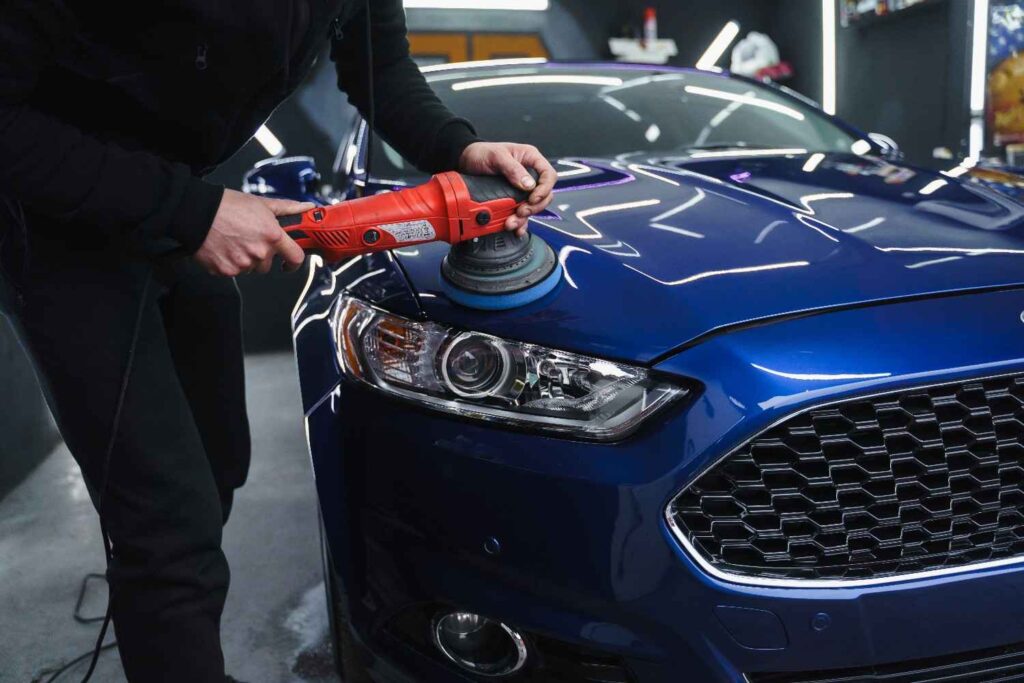
Sometimes, the environmental wear and tear requires equipment that the average homeowner doesn’t possess. For example, removing heavy oxidation or etched water spots often requires machine polishing. In areas with extreme weather variations, relying on professional car detailing services in Salt Lake City can be a prudent choice to address these heavy-duty issues, ensuring that salt corrosion or intense high-altitude UV damage is managed correctly before it becomes permanent.

5. Interior Deep Cleaning and Extraction

Vacuuming removes loose debris, but it does nothing for the oils, sweat, and spills that have soaked into the upholstery fibers over time. These trapped organic materials can lead to unpleasant odors and bacterial growth.

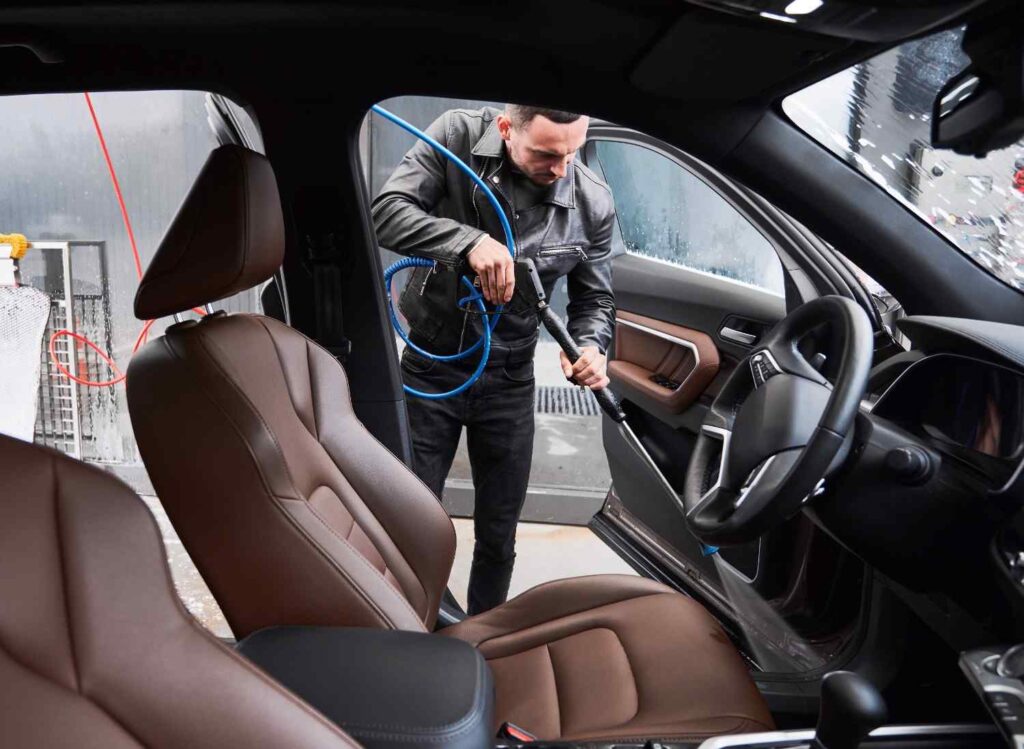
The proper solution for fabric seats and carpets is hot water extraction. This process involves spraying a cleaning solution into the fibers to break down dirt and immediately vacuuming it out with strong suction. For leather seats, a pH-neutral leather cleaner followed by a conditioner is vital. Leather is skin; without moisture (conditioning), it will eventually dry out, harden, and crack under the heat of the sun.

Interior Deep Cleaning and Extraction

6. UV Protection for Dashboards and Console

The dashboard takes the brunt of solar heat. Over time, UV rays can cause vinyl and plastic dashboards to fade, discolor, and eventually crack. This is often irreversible without expensive replacement.

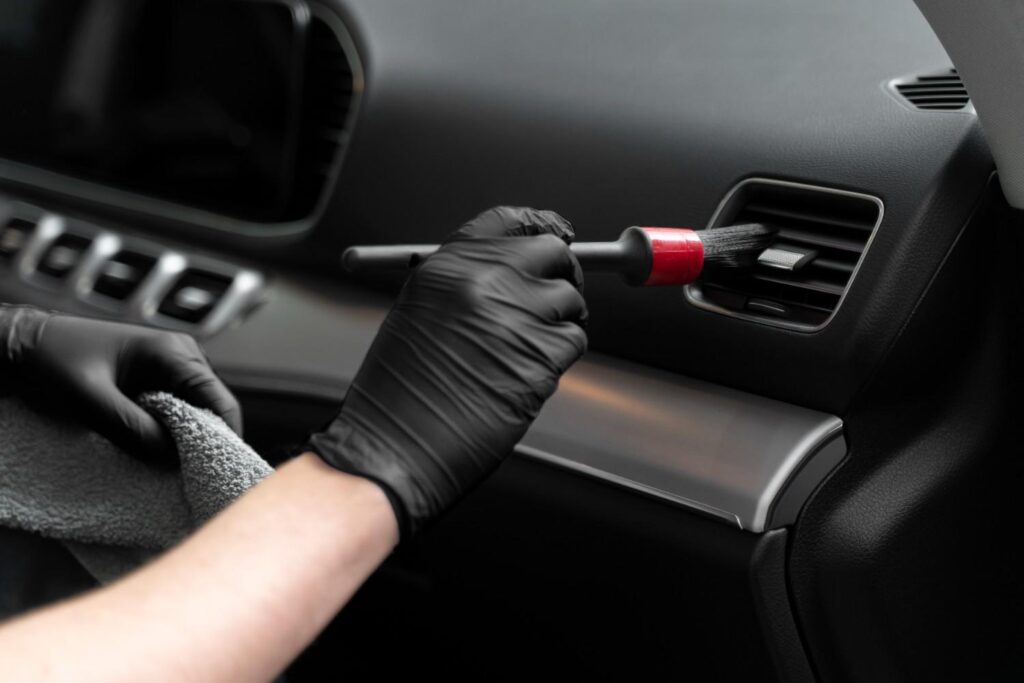
To prevent this, apply a non-greasy interior dressing that contains UV inhibitors. Unlike the oily, shiny products of the past that attracted dust and caused glare, modern interior detailers leave a matte finish that restores the original look of the plastic while providing a sunscreen-like barrier. Treating door panels, consoles, and the dashboard regularly can keep the interior looking new for the life of the car.

7. Crystal Clear Glass Care

Clean glass is a safety necessity, yet it is often the most frustrating part of car care due to streaking. The haze on the inside of the windshield is actually caused by “off-gassing” from the dashboard plastics and vinyls, which creates an oily film.

To solve this, use a dedicated automotive glass cleaner (ammonia-free, to be safe on tinted windows) and two microfiber towels. Use the first towel to wipe away the dirt and cleaner, and the second, dry towel to buff the glass to a streak-free shine. Using a waffle-weave towel can also help absorb liquid more effectively without leaving lint behind.

Maintaining a vehicle requires a holistic approach that addresses both the comfort of the cabin and the resilience of the exterior. By adopting methods such as the two-bucket wash, utilizing clay bars, and ensuring surfaces are protected from UV rays and road salts, you can significantly extend the life of your vehicle. Consistent care not only enhances the driving experience but also preserves the financial value of the asset for years to come.

More From Author

Recovering After Childbirth A Postpartum Guide

Recovering After Childbirth: A Postpartum Guide

What Pros Recommend for Choosing a New Pool

What Pros Recommend for Choosing a New Pool

A Guide to Fuel-System Diagnostics

A car’s fuel system is the lifeline that powers your engine, delivering the right amount of fuel at the right time. When it works correctly, your vehicle runs smoothly and efficiently. But when problems arise, they can lead to poor performance, reduced fuel economy, and even engine damage. Understanding how to diagnose issues within this complex system is a valuable skill for any car owner.

Symptoms of a Faulty Fuel System

Symptoms of a Faulty Fuel System

Recognizing the early warning signs of a fuel system problem can save you from more significant repairs down the road. If you notice any of the following symptoms, it’s a good idea to investigate further.

Trouble Starting the Engine

One of the most common signs of a fuel system issue is difficulty starting your car. If the engine cranks but won’t turn over, it might not be receiving the fuel it needs. This could be due to a weak fuel pump, a clogged filter, or faulty injectors.

Poor Acceleration and Power Loss

Does your car feel sluggish when you press the gas pedal? A lack of power, especially during acceleration or when climbing hills, often points to a fuel delivery problem. When the engine doesn’t get a consistent supply of fuel, it can’t produce the power you demand.

Reduced Fuel Economy

If you find yourself making more frequent trips to the gas station without a change in your driving habits, a faulty fuel system could be the culprit. Leaks in fuel lines or inefficient fuel injectors can cause your vehicle to consume more fuel than necessary.

Engine Misfires and Rough Idling

An engine that sputters, shakes, or idles erratically may be experiencing a fuel-related misfire. This happens when one or more cylinders don’t receive the proper air-fuel mixture, leading to incomplete combustion. This can be caused by clogged fuel injectors or a failing fuel pressure regulator.

Check Engine Light

Modern vehicles are equipped with an on-board diagnostics (OBD-II) system that monitors engine performance. If the system detects a problem with the fuel mixture or pressure, it will trigger the check engine light. Using an OBD-II scanner can provide specific diagnostic trouble codes (DTCs) that point to the root cause.

Tools Needed for Diagnostics

Tools Needed for Diagnostics

Having the right tools is essential for accurately diagnosing fuel system problems. While a professional mechanic will have an extensive toolkit, here are some basic tools that can help you get started:

  • Fuel Pressure Gauge: This is one of the most critical tools for fuel system diagnostics. It measures the pressure in the fuel lines, helping you determine if the fuel pump and regulator are working correctly.
  • OBD-II Scanner: For vehicles made after 1996, an OBD-II scanner is invaluable. It reads the trouble codes stored in your car’s computer, providing direct clues about what might be wrong.
  • Multimeter: A digital multimeter can be used to test electrical components of the fuel system, such as the fuel pump’s wiring, relays, and fuses.
  • Noid Lights: These simple test lights are used to check if the fuel injectors are receiving the electrical signals needed to open and close.
  • Basic Hand Tools: A good set of wrenches, sockets, and screwdrivers will be necessary for accessing and removing various components.

Also Read: Filing an Insurance Claim After a Car Accident

Step-by-Step Diagnostic Procedures

Once you have your tools ready, you can begin the diagnostic process. Follow these steps systematically to narrow down the potential issues.

1. Check for Diagnostic Trouble Codes (DTCs)

Start by connecting an OBD-II scanner to your vehicle’s port, usually located under the dashboard on the driver’s side. Turn the ignition to the “On” position without starting the engine. The scanner will retrieve any stored codes. Codes related to the fuel system often start with “P0,” such as P0300 (Random Misfire) or P0171 (System Too Lean). Research the specific codes to understand their meaning.

2. Test the Fuel Pressure

Connect a fuel pressure gauge to the Schrader valve on the fuel rail. The location of this valve varies by vehicle, so consult your owner’s manual. With the gauge connected, turn the key to the “On” position to prime the system, then start the engine. Compare the pressure reading to the manufacturer’s specifications. Low pressure could indicate a weak fuel pump or a clogged filter, while high pressure might point to a faulty fuel pressure regulator.

3. Inspect the Fuel Pump and Relay

Listen for a humming sound from the fuel tank area when you turn the key to the “On” position. This sound indicates the fuel pump is priming. If you hear nothing, the pump may not be receiving power. Use a multimeter to check the fuel pump fuse and relay in the vehicle’s fuse box. If the fuse and relay are good, you may need to test the wiring to the pump itself.

4. Examine the Fuel Injectors

If you suspect an issue with the fuel injectors, you can use a set of noid lights. Disconnect the electrical connector from an injector and plug in the corresponding noid light. Have a helper crank the engine. The noid light should flash, indicating that the injector is receiving a signal from the engine control unit (ECU). If it doesn’t flash, there may be an electrical problem. If it does flash, the injector itself might be clogged or mechanically failed.

Common Issues and Solutions

Common Issues and Solutions

  • Clogged Fuel Filter: The fuel filter traps debris before it can reach the engine. Over time, it can become clogged, restricting fuel flow. Solution: Replace the fuel filter according to your vehicle’s maintenance schedule.
  • Failing Fuel Pump: A weak or failing fuel pump can’t supply enough pressure to the system. Solution: This typically requires replacing the fuel pump assembly, which is often located inside the fuel tank.
  • Dirty Fuel Injectors: Carbon deposits can build up on fuel injectors, disrupting their spray pattern and reducing efficiency. Solution: Using a quality fuel injector cleaner can sometimes resolve minor clogs. For more severe cases, professional injector cleaning or replacement may be necessary.
  • Faulty Fuel Pressure Regulator: This component maintains the correct pressure in the fuel rail. If it fails, pressure can become too high or too low. Solution: Replace the faulty regulator.

Preventative Maintenance Tips

Keeping your fuel system in good health can prevent many common problems. Follow these tips to ensure reliability and performance:

  • Use High-Quality Fuel: Cheaper gasoline can contain more impurities that can clog filters and injectors over time.
  • Replace the Fuel Filter Regularly: Follow the manufacturer’s recommended interval for fuel filter replacement.
  • Use a Fuel System Cleaner: Periodically add a quality fuel system cleaner to your gas tank to help remove carbon deposits and keep injectors clean.
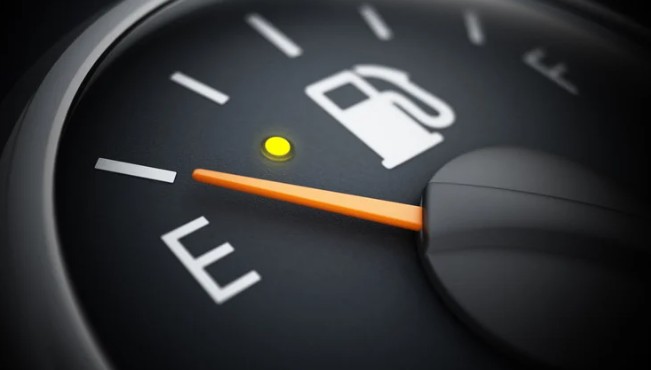
  • Don’t Run on Empty: Regularly driving with a very low fuel level can cause the fuel pump to overheat and fail prematurely, as the fuel itself helps cool the pump.
  • Regular Inspections: Problems like failing emissions tests in Orem can sometimes be linked back to the fuel system. Regular check-ups can catch issues early.

Conclusion

A well-maintained fuel system is essential for the health, efficiency, and power of your vehicle. By learning to recognize symptoms, using the right tools, and following a logical diagnostic process, you can identify and address issues before they become major problems. Regular preventative maintenance will go a long way in keeping your car running smoothly for years to come.

More From Author

Why Electrical Safety Is Critical in Food Service

Why Electrical Safety Is Critical in Food Service

Opening a Co-Working Space

Opening a Co-Working Space: Your Complete Step-by-Step Guide

Drive Longer, Spend Less: Ultimate Tips for Vehicle Longevity

Owning a car is more than just a convenience; it’s an investment. Whether it’s your daily commute, weekend adventures, or road trips, your vehicle plays a central role in your life. With proper care, your car can serve you for many years, saving you money on repairs, replacements, and depreciation. Here’s how to ensure your vehicle stays reliable and retains its value over time.

1. Prioritize Regular Maintenance

The foundation of vehicle longevity is consistent maintenance. Skipping oil changes, filter replacements, or fluid checks can lead to unnecessary wear and tear on your engine.

Follow your manufacturer’s recommended service intervals for oil changes, brake inspections, transmission servicing, and tire rotations. Regular maintenance not only keeps your car running smoothly but also helps detect small problems before they turn into costly repairs.

2. Keep Your Engine Healthy

Keep Your Engine Healthy

The engine is the heart of your car, and maintaining it is crucial. Check fluid levels regularly, including engine oil, coolant, brake fluid, and transmission fluid. Use high-quality fluids recommended by your manufacturer, and don’t ignore warning lights.

A little attention today can prevent a major engine failure tomorrow. Remember, smooth driving habits, such as avoiding sudden acceleration or harsh braking, reduce stress on engine components and improve fuel efficiency.

3. Protect Your Tires

Tires are your vehicle’s only contact with the road, so their condition directly affects performance and safety. Rotate your tires every 5,000–7,000 miles and maintain proper tire pressure.

Underinflated tires increase fuel consumption and wear unevenly, while overinflated tires reduce traction and can cause blowouts. Regular tire inspections for tread depth and signs of damage will extend their lifespan and ensure safer driving.

4. Preserve Your Vehicle’s Exterior

A well-maintained exterior not only keeps your car looking new but also protects it from corrosion and environmental damage. Regular washing removes dirt, salt, and road grime that can eat away at paint over time.

Waxing your car twice a year adds an extra layer of protection against UV rays and minor scratches. For those looking for serious long-term protection, professional paint protection film installers in Salt Lake offer services that shield your vehicle’s paint from chips, scratches, and chemical damage, keeping your car looking pristine for years.

5. Mind Your Driving Habits

How you drive has a significant impact on your car’s longevity. Gentle acceleration and braking reduce stress on the engine, transmission, and brakes.

Avoid excessive idling, as it can overheat the engine and waste fuel. Using cruise control on highways helps maintain a steady speed, reducing wear on the engine and improving fuel economy. Even small adjustments in driving behavior can make a big difference over thousands of miles.

6. Keep the Interior in Shape

Keep the Interior in Shape

Vehicle longevity isn’t just about mechanics and paint. Protecting the interior also matters. Use sunshades to prevent dashboard and upholstery damage from UV rays, and clean spills immediately to prevent stains and corrosion of electronic components.

Leather or fabric conditioners can help prevent cracking or fading, ensuring the inside of your car remains as comfortable and attractive as the day you bought it.

7. Stay on Top of Repairs

Delaying minor repairs can turn a small issue into a major problem. Strange noises, warning lights, or unusual smells are signals that something may be wrong.

Addressing these problems promptly saves money in the long run and prevents further damage. Even if a repair seems minor, professional attention ensures it doesn’t escalate into a larger, costlier issue.

8. Store Your Vehicle Properly

Whenever possible, park your vehicle in a garage or under a cover to protect it from weather extremes. Sun, snow, and rain can accelerate wear on your paint, tires, and rubber components.

If a garage isn’t available, consider high-quality car covers or shaded parking spots. Proper storage can reduce corrosion, fading, and interior damage, helping your car maintain its value over time.

In Conclusion

Vehicle longevity isn’t just about luck—it’s about proactive care. By following a consistent maintenance schedule, practicing mindful driving habits, and protecting both the exterior and interior, you can extend your car’s lifespan and reduce the long-term cost of ownership.

Simple steps like tire maintenance, regular fluid checks, and professional services such as paint protection film can make a significant difference.

Investing in your car’s longevity today means fewer unexpected repairs, better resale value, and more miles of reliable driving tomorrow. Drive longer, spend less, and enjoy every journey with confidence.

More From Author

Navigating the Financial Future Tips from Top Fund Managers in Sydney

Navigating the Financial Future: Tips from Top Fund Managers in Sydney

How Technology is Revolutionizing Call Center Services

How Technology is Revolutionizing Call Center Services