




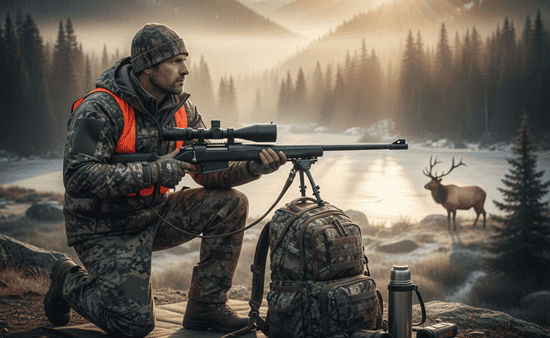
Hunting is more than a hobby—it’s a tradition, a challenge, and for many, a way to connect with nature. Whether you’re a seasoned hunter or just starting out, there are key strategies and tips that can help you hunt smarter, not harder. By focusing on preparation, gear, safety, and techniques, you can increase your chances of success and enjoy a more rewarding experience in the field.
1. Preparation Is Key
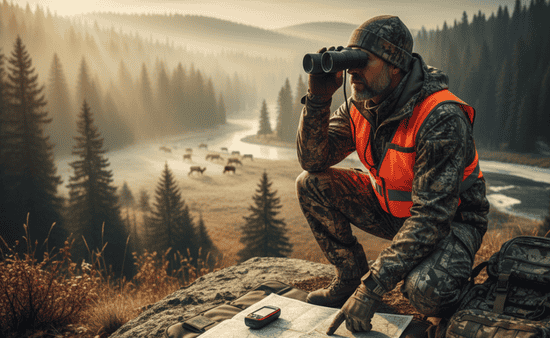
Before heading out, research the area you plan to hunt. Study maps, understand animal behavior, and check local hunting regulations. Knowing where your target species feeds, rests, and travels will give you a tactical advantage. Preparation also includes scouting your hunting grounds ahead of time. Look for tracks, droppings, or other signs of wildlife activity. Spending time observing from a distance can save you hours of blind searching during the actual hunt.
2. Choose the Right Gear
Having the right equipment can make or break your hunt. A high-quality rifle, bow, or shotgun suited to your game is essential. For rifle hunters, even something as simple as upgrading your AR-15 stock can improve comfort and accuracy, giving you more confidence in the field. Don’t forget the importance of proper clothing. Weather-appropriate attire, camouflage patterns that match the environment, and sturdy boots can make your hunt more comfortable and productive.
Other gear essentials include binoculars for spotting game, a rangefinder for accuracy, and a backpack with first-aid supplies, snacks, and extra ammunition. Remember, being over-prepared is better than under-prepared.
3. Practice Makes Perfect
No matter your skill level, regular practice is critical. Spend time at the shooting range or practicing your aim with a bow. Consistent practice helps develop muscle memory, improve reaction time, and reduce the chances of a missed opportunity. For hunters using firearms, practicing in various positions—standing, kneeling, and prone—prepares you for real-world situations.
Additionally, practice tracking and estimating distances. Understanding wind direction and learning how animals respond to scents and sounds will give you a strategic edge.
4. Learn to Read the Environment
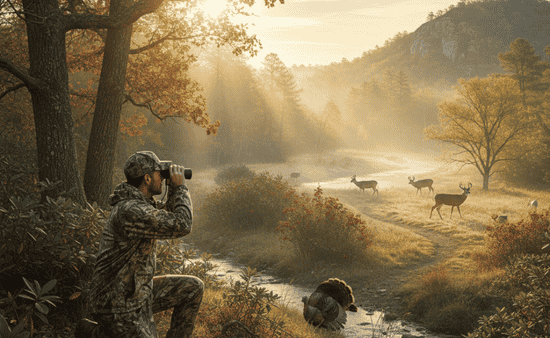
Smart hunters pay attention to their surroundings. Observe animal behavior and seasonal patterns. Early morning and late evening are typically the most active times for many species. Note feeding areas, bedding locations, and travel routes. Using natural cover like trees and shrubs to conceal yourself can help you get closer without alerting your target.
Consider the terrain as well. Hills, valleys, and water sources can all affect how animals move. Adjusting your hunting strategy based on the landscape can significantly improve your chances of success.
5. Prioritize Safety
Hunting is exciting, but safety must always come first. Wear blaze orange when required to remain visible to other hunters. Keep firearms pointed in a safe direction and never take a shot without being certain of your target and what’s beyond it. Carry a first-aid kit and know basic survival skills in case of emergencies.
Additionally, always inform someone of your hunting location and expected return time. Communication devices like a cell phone or GPS tracker can be lifesaving in remote areas.
6. Be Patient and Observant
Patience is a hunter’s greatest virtue. Successful hunting often requires long hours of waiting silently in one spot. Stay alert and listen for subtle signs of movement. Small sounds like a snapping twig or rustling leaves can indicate nearby wildlife. Avoid sudden movements and control your breathing to minimize detection.
Remember, hunting is as much about enjoying the outdoors as it is about the harvest. Even if your hunt is unsuccessful, observing nature and honing your skills will make your next outing more productive.
7. Ethical Hunting
Finally, hunt ethically. Respect wildlife and follow local laws and regulations. Take only responsible shots, and ensure a quick, humane harvest. Ethical hunting preserves wildlife populations and maintains the integrity of the sport for future generations.
Hunting smarter isn’t just about tools or tactics—it’s about preparation, knowledge, and respect for nature. From selecting the right gear, practicing regularly, reading the environment, and prioritizing safety, every step contributes to a more successful and fulfilling hunting experience. By embracing these essential tips, every hunter—novice or veteran—can approach the field with confidence, strategy, and an appreciation for the adventure that awaits.