



A healthy smile is more than just an aesthetic asset; it is a vital component of your overall well-being. However, tooth decay remains one of the most widespread health issues globally, affecting children and adults alike. While many people associate cavities solely with eating too much candy, the biological process is far more nuanced. Understanding how decay begins is the first step toward lifelong prevention.
The Biological Foundation of a Cavity
Tooth decay, or dental caries, does not happen overnight. It is a gradual breakdown of the tooth’s hard outer layer, known as enamel. This process is driven by a complex interaction between bacteria, food particles, and your own biology, which is why learning affordable ways to maintain oral health can help prevent problems before they become serious.
The Role of Bacteria and Plaque
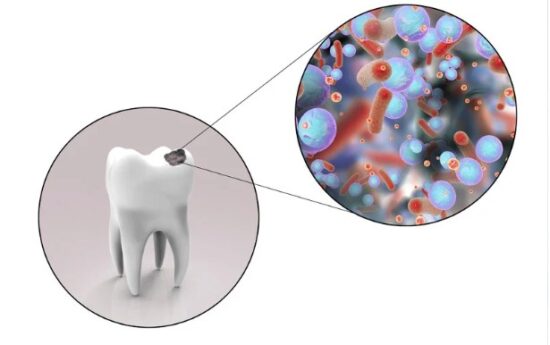
Your mouth is naturally home to hundreds of types of bacteria. While many are harmless, certain types—such as Streptococcus mutans—thrive on the carbohydrates and sugars left behind after you eat. As these bacteria feed, they organize into a sticky, colorless film called plaque. If plaque is not removed through consistent brushing and flossing, it clings to the teeth and hardens into tartar, providing a sanctuary for even more bacteria to thrive.
The Acid Attack
The real damage occurs when bacteria digest sugars and starches. As a byproduct of this digestion, the bacteria release acids. These acids are potent enough to erode the minerals—primarily calcium and phosphate—that make up your tooth enamel. This mineral loss is called demineralization. While your body attempts to repair this damage through a natural process called remineralization, frequent sugar intake and poor hygiene can cause the acid attacks to outpace your mouth’s ability to heal itself.
The Stages of Decay
If the cycle of acid attacks continues unchecked, tooth decay progresses through several distinct stages:
- Enamel Erosion: The first sign of decay is often a white spot on the tooth, indicating where minerals have been lost. At this stage, the process may still be reversible with fluoride treatments.
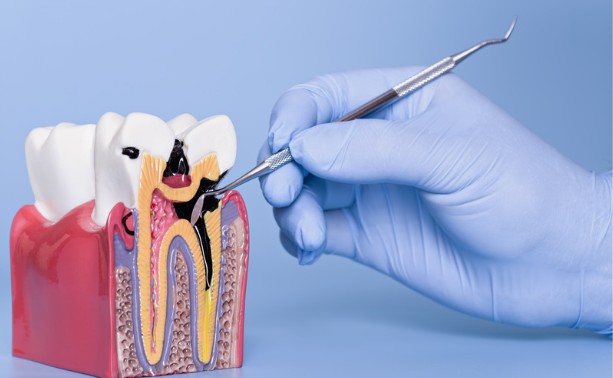
- Cavity Formation: Once the enamel is sufficiently weakened, tiny holes or pits form. These are the actual cavities. Because enamel has no nerves, you may not feel any pain yet.
- Dentin Penetration: If left untreated, the decay passes through the enamel into the dentin, the softer layer beneath. Dentin is connected to the tooth’s nerves, leading to sensitivity to hot, cold, or sweet foods.
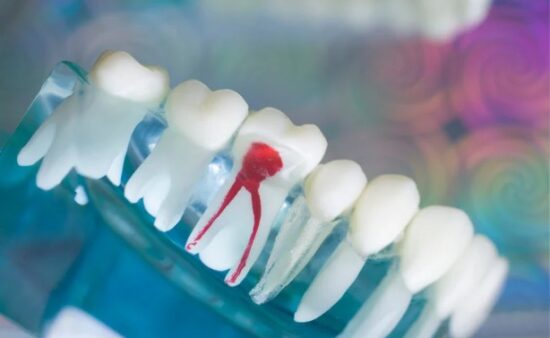
- Pulp Infection: In advanced cases, the decay reaches the pulp—the innermost part of the tooth containing blood vessels and nerves. This often results in severe pain, infection, or the formation of an abscess.
Hidden Risk Factors
Beyond sugar and hygiene, several other factors can accelerate the development of cavities:
- Dry Mouth: Saliva is your mouth’s natural defense. It washes away food debris, neutralizes acids, and delivers essential minerals back to the enamel. Medications or medical conditions that reduce saliva flow significantly increase cavity risk.
- Frequent Snacking: It is not just what you eat, but how often. Every snack triggers a new acid attack that can last 20 to 30 minutes. Constant grazing gives your teeth no time to recover.
- Genetics and Tooth Structure: Some individuals are genetically predisposed to softer enamel or have deep grooves in their molars that trap plaque more easily.
- Lack of Fluoride: Fluoride is a mineral that strengthens enamel and makes it more resistant to acid. Without it, teeth are more vulnerable to the demineralization process.
Protecting Your Smile
Preventing cavities is far easier and more cost-effective than treating them. A robust routine includes brushing twice a day with fluoride toothpaste, flossing daily to remove plaque between teeth, and maintaining a balanced diet low in sugary and starchy foods. Professional interventions, such as dental sealants, can also provide a protective barrier for the deep grooves in back teeth.
The most critical component of prevention is regular professional care. Routine checkups allow a dental professional to identify early signs of demineralization before they become painful, expensive problems. If you are looking to establish a long-term partnership for your oral health, scheduling an appointment with a trusted family dentist in Orem can ensure that your family’s smiles remain strong and cavity-free for years to come.