




analytics = 833.322.6760, 8448520347, 800 notes, 7168738800, 8005113030, 8662783536, 9525620902, 8333163276, 9133123280, 8558425860, 8777640833, 2567447500, 18669852273, 8559977348, 8775895169, 6123010199, 8777458562, 8447297641, 8556792141, 5018218349, 6468760617, 8559712260, 8557390856, 8339310230, 3106677534, 8339842440, 9547875035, 6163306276, 18004441676, 8558348495, 7864225581, 9094067513, 8602739995, 18339793337, 8553020376, 9513245248, 5164226400, 2675259887, 8339060641, 8139469478, 2486022768, 2064395787, 5595330138, 5127649161, 8163354148, 5165660135, 9723750568, 2085144125, 18559694636, 5028227768, 5104709740, 2107644963, 9513947262, 8772865954, 6266570594, 8442891118, 8008280146, 7714445409, 8664368150, 18006951063, 8779140059, 8017425882, 2245434298, 4234820546, 8442712583, 9547434255, 8445073876, 18662058022, 18004367961, 8445369495, 8448747445, 9513895348, 8017835887, 9136778319, 5095810139, 18005271339, 6178265171, 8338428100, 4699988648, 8337030945, 5132830807, 8669072272, 7027650554, 18003959733, 8882288896, 8007017918, 8882961958, 9164315240, 3134238040, 8333859445, 8885090457, 8008399369, 9183984181, 6125681561, 8555737348, 7035746171, 9804026136, 3392036535, 8014388165, 8339124265, 2484556960, 8652940491, 6788532772, 18002319631, 4432611224, 5174402172, 5166448345, 8574156189, 9208318998, 2814084487, 3237827205, 9035937800, 6147636366, 8886375121, 18667153526, 6156855230, 9133120992, 6027675274, 8326849631, 6363626977, 8014388261, 6163306271, 5128465056, 6164252258, 8008994047, 6506189519, 5133970850, 8006601779, 8668010144, 8555894252, 6163177933, 4079466140, 8655460256, 18884209943, 3464268887, 8442449538, 7043866623, 8444211229, 8102759257, 4345281742, 9493175442, 4123879299, 8382211532, 3309133963, 5109849896, 8556482575, 7072899821, 2014658491, 6032157860, 7628001252, 2082327328, 3522492899, 972-476-8208, +1 (800) 555-0433, 7753840563, 4694890551, 8327349150, 2702971125, 8008545695, 6106006953, 2146516900, 9037651217, 7047058890, 8668219635, 8033391481, 9592307317, 8595594907, 8332685291, 8555710330, 8778334675, 2102440850, 18008778623, 9513387286, 4029339118, 6103444430, 8662222197, 7273618338, 6159840902, 8555154190, 8668418679, 8338780449, 5417666200, 9185121419, 3237160444, 3606338450, 6198259510, 8888570668, 8083399481, 18668404246, 9032130471, 18007457354, 8662900505, 9512277184, 14075830183, 877-613-7414, 8669145806, 8884135452, 8339870385, 5412621272, 4085397900, 4049960554, 9043278492, 8008109337, 3148962604, 2625778200, 2533722173, 7702240355, 2602796153, 8442568097, 4045674598, 8778135595, 6627789116, 8666148679, 432.535.3346, 8552199473, 18008784733, 8656696225, 4172640211, 2694480187, 8004800186, 8728107133, 8554290124, 8445417310, 8088094977, 3854774827, 6149229865, 8558318013, 8886227328, 8669289240, 2162086661, 8449263585, 8656868483, 9126165004, 4342647097, 4698902115, 9738424694, 8009249033, 8662962852, 8004836205, 7637606200, 9549534317, 9085288998, 8665592621, 9097290670, 8885365114, 6282074108, 9515725134, 9725268500, 18886918661, 4028589809, 5135840000, 9542026998, 3606338409, 3392120655, 9375304801, 4699825009, 7158365720, 7133540191, 5176576800, 7015400761, 8007620276, 7314100312, 8133644313, 4014142386, 8556829141, 18003473764, 5163279500, 2177711746, 8338394140, 8008442881, 8442356275, 9737509291, 8053218829, 5138030600, 866.266.1445, 18667066894, 18448302149, 9592998000, 8668518500, 3618257777, 8132108253, 9134285296, 18667331800, 6182062806, 6196931509, 5052530598, 2692313137, 8322632311, 4089635659, 3122340781, 8665270007, 8884315114, 8327010295, 8886230286, 18337632033, 7276978680, 8662847625, 7046297142, 5709082790, 6176829138, 18663243120, 18888447979, 833-793-2634, 3146280822, 2817169800, 8003966861, 2092152027, 8772379648, 8779100501, 6304497394, 6613686626, 7864325077, 8667061341, 8443168434, 18007793351, 2816679193, 6182213001, 8165459795, 800-660-1779, 3865648082, 4057539884, 6304757000, 8665212613, 8339014153, 4018686200, 7177263148, 8446717272, 6026889985, 6122950822, 18775007697, 8727025274, 877-870-8046, 4107533411, 8594902586, 3175548779, 4023164651, 8442409757, 6155909241, 4692706636, 8447089406, 2183167675, 9367097999, 18003239865, 5107750767, 8336411330, 8666136856, 8776137414, 5048420550, 8174924769, 409-761-7631, 8772810415, 6175170000, 6176447300, 516-644-8345, 8014388150, 8014363101, 8446600349, 8445720731, 8446012486, 9529772019, 8004160599, 2105867691, 8174761844, 8777665220, 3606338365, 2159873706, 8126413070, 7578520784, 2155830758, 2133442341, 8014388461, 8556302480, 9013702057, 6467622601, 7083655202, 1-877-870-8046, 2505814253, 8152877145, 2173264646, 7654422019, 8442677109, 844-306-7833, 8775787552, 8624140848, 8555422416, 9544406856, 8009410164, 2193102036, 3237460973, 8332178326, 8133207059, 18003105587, 8178548532, 8772595779, 8044452446, 8336852203, 5136555021, 8042933450, 713-332-2838, 8556769075, 8447100373, 8446180908, 6512551000, 6144058912, 8332891205, 8336370667, 8124350998, 7133537813, 312-653-2073, 7083919045, 5403084012, 9529790948, 2177491008, 4079466142, 8333880562, 6183319022, 8776363716, 8012367598, 2816916103, 5165029686, 6087759139, 9045699303, 5614348400, 9085056898, 9297441323, 18002201614, 844-391-1092, 3364387172, 4708878685, 9803167472, 2093324588, 4052173481, 3055038807, 9044785041, 7137309500, 9513707315, 18002378990, 6232238196, 5026653794, 4057240741, 9543793034, 8884700655, 9512521067, 5703752113, 9299952002, 2565103546, 8134486919, 6266390332, 4049650560, 5303227024, 5106464099, 4075457432, 18663524737, 8887278618, 8084899138, 5082518001, 3183544193, 8037168112, 4807508966, 8586578575, 2095506110, 18008898740, 5416448102, 8666687301, 919.214.5402, 5864987122, 6302429143, 9547459648, 4844836206, 7145099696, 8665838119, 8004439164, 8007082736, 8779949115, 8003280355, 4085982269, 424.385.0597, 4054483292, 4694096508, 18884534330, 4844522185, 3606338412, 7133322838, 8007430511, 4703975724, 8082130841, 18662916365, 8664482002, 5707403282, 4072037536, 8332665655, 8557074599, 18555013051, 8668446972, 5128425148, 8337932634, 8329751010, 6156759252, 7173219013, 5165660134, 6152482618, 888-785-2471, 8553395442, 7204563710, +1 (312) 653-2073, 8339833264, 8555159372, 8448348551, 8665207789, 4072357388, 8883237625, 8014388316, 5622422106, 412-405-6064, 7657513244, 4089773512, 4176225719, 866.376.4584, 8166310333, 4122148544, 5702803018, 8667677603, 5407317304, 8054296716, 9712734028, 5102572527, 18776898870, 2075485013, 8559590200, 9545058434, 9089558128, +1 (320) 207-5189, 8447553258, 8662261020, 7135568949, 6303879597, 4149558701, 7209152170, 8008298374, 8558078675, 8666136857, 8669972488, 2014623980, 8013365041, 7083164009, 6622553743, 4158519136, 8339721292, 18008994047, 201-462-3963, 8887852471, 7702823288, 18007450572, 2672232367, 8333425412, 8008423225, 6516034340, 9044210685, 3032423254, 8777708065, 8043123644, 5138600470, 4073030519, 18009359935, 9152453436, 3308355902, 4125577457, 5183636075, 3362525901, 18663902348, 8143590227, 18009145582, 8172104278, +1 (866) 593-3926, 2105201454, 8332316512, 866.914.5806, 866-613-6857, 7819276501, 8332819623, +1 (866) 613-6857, 5135696117, 6506819470, 6147320721, 866-702-4725, 6266577222, 4055638384, +1 (614) 890-1025, 9036860067, 2816701587, 2487855500, 8442006330, +1 (623) 462-7106, 8666746861, 7158988041, 877 770 8125, 7343485117, 9727530822, 8776380175, +1 (866) 914-5806, 6126721631, 18003653234, 9512237966, 5702771040, 5025155312, 7172515048, 18005303790, 214-226-9139, 8889764904, 4025595100, 8448439155, 8016192557, 6083255121, 2403122052, 8335841371, 4044133261, 8324583317, 6233529406, 5208663325, 8776421554, 8014075254, 877 613 7414, 18005284800, 5135723375, 5034614545, 206-453-2329, 801-413-7200, +1 (855) 283-3957, 8004351415, 18888002527, 8776236765, 5094747159, 6036681119, 4086921193, +1 (877) 647-8551, 8087680000, 8337002510, 7174070772, maxwell and bryant group, 8668594380, 7177896033, 7208481788, 866-914-5806, 18009220204, +1 (888) 994-2320, 18003683110, 8666484519, 2107829213, 8882795504, 662-255-3743, 5052779866, 7172968088, 7756877101, 800-276-3744, 18004321000, 8883731969, +1 (800) 530-3790, 6157471813, 6788062977, 402-220-1248, 9525630843, 8662855312, 8776918086, 877-417-4551, 877-770-8125, 8884640727, 8435820002, 8884141045, 5202263623, 8339901915, 8559731040, 4043853637, 888-991-5696, +1 (877) 770-8125, 6158007010, 888-250-7027, 8889346489, +1 (888) 993-2902, 8003318859, 2252143974, 8442449425, 7144490377, 8014137200, 8333725815, +1 (800) 435-1415, 6097982556, 8155179338, 3158495499, 4014446877, 9472221080, 18009454701, +1 (888) 611-6904, 8553308653, 855-581-1994, 4243459294, 866-716-9062, 6468882001, 866-680-8628, +1 (978) 938-4194, 201-462-3980, 855-419-7365, +1 (847) 426-9203, 7033320600, +1 (800) 988-8019, 8888922253, 888 266 2278, 8003973342, 8884864722, 8009220204, 7205366300, 7136965500, 866-593-3926, 9514254239, 2069220880, 5732452104, +1 (800) 654-8818, 7632743899, 916-545-8389, 888 934 6489, 5627253046, 7175316640, 877-556-9255, +1 (540) 546-0824, 978 444 5700, 8888023080, 4014303033, 8008757159, 206 453 2329, 855-330-8653, 3462149844, 8659469900, 1-800-388-5512, +1 (206) 922-0880, 4433979200, 8667620558, +1 (866) 348-6231, 5712932365, 6786662731, 1-800-432-1000, 5043842543, 8434384166, +1 (888) 899-6650, 8777284206, 6152130831, 8002760901, 8663486231, 2128459525, 8009520270, 8885130708, 18004365657, 888-899-6650, 8005550433, 8338950323, 8559422422, 8009552292, 4845263150, 8595929161, 3602199415, 402 935 7733, 8558998232, 8888426328, 18009398164, 18002818274, 4122676767, 4179900203, +1 (800) 528-4800, 18886166411, 8004517269, 5705590121, 5157353419, 921 area code, +1 (888) 373-1969, 8015260950, 4077322416, 6788532430, 513-831-2600, 888-373-1969, 18003801196, 8442437370, +1 (404) 806-4811, 8886890122, area code 531, +1 (800) 946-0332, 707, 888 373 1969, 6178788190, 8558369705, 248-434-5508, 844 area code, 8552073383, 1111111111, 2257653120, 6189446426, 6292588750, 800-922-0204, 18009346489, 407-732-2416, 5136961920, 18669544405, 9199147004, 8442069035, 480, 18335421564, 6148901025, +1 (800) 608-2581, 800 922 0204, +1 (888) 486-4722, po box 247001, 9043807465, 612-815-5000, 6105462466, 18336421007, 18009228228, 235 area code, 18002823214, +1 (877) 647-8552, 8777335189, 3333, 8009200482, 8552780432, 8332076202, 365 area code, 639 area code, 18666201302, 18003472275, 763-274-3899, 8558590047, 18003047265, 8886116904, 7139369494, 18008887243, 6126722492, 3139607914, 8665160115, area code 639, +1 (800) 955-6600, 8009888019, 18005237020, 8669288598, 3372695110, 18448238902, 8666808628, 8336977328, 8774220763, 5107474557, 9133863627, 8008420588, 8556148530, 8009420854, 8663287946, 8888399638, 18005567677, 2069267485, 1-800-745-7354, 5405460589, 8654706200, 8664683371, 18003973342, 3202075189, 8009200477, 800-528-4800, area code 825, +1 (800) 943-2189, 5095528142, 438, 984, 18662525777, 18002965598, 18003151907, 18887291404, 8005284800, 8003371809, 8008870224, 8779020006, 844-206-9035, 8655237183, 7342320000, 9999999999, 888-611-6904, 18009001361, 18007771681, 8002149506, 999-999-9999, 8009556500, 5039458199, callerescort, 2815176333, 18667465501, 18006347404, 6233529402, 8552296544, 8889942320, 18009556600, 8008693557, 8664548855, 5405460824, 8665933926, 8554197365, 8448268400, area code 204, 8667679323, 8665728798, 8008456167, 6303837266, 9512432271, 866 area code, 8664084070, 8002799032, 888-802-3080, 781-694-9000, 18005328082, 888-934-6489, 8666740156, 8056377243, 1223, 2163489700, 8339342639, 18887106818, 8004633339, 2064532329, 8004321000, 18003145524, 18002045785, 7817966000, 8339140595, 8668586729, 18002763214, 8889417233, 8557077328, 226 area code, 8009460332, 805-637-7243, 866-712-7753, 781-566-8000, 204 area code, 18882662278, 800-845-6167, 8008600644, 877.714.1509, 18003182596, 201, 8776478552, 8008520411, 8009666546, 7816569000, 800-463-3339, 9784445700, 800 955 6600, 1-800-865-9408, 800-966-6546, 8664300311, 844-466-5519, 800-655-2265, 5138312600, 1-800-522-5633, 8556248963, 8665359492, 8882662278, 800-227-4825, 1-800-227-4825, 8882804331, 1-833-275-3287, 800-955-6600, 3343963000, 855-707-7328, 866-858-6729, 8662581104, 18007332767, 3123804033, 800-288-2020, 8337351894, 7815668000, 6174885400, 410-965-1234, 1-800-925-6278, portfoliorecov, 8009432189, 8667127753, 833-267-6094, 888-266-2278, 8883347978, 866-258-1104, 8009505114, 8884694520, 800-292-7508, 877-242-7372, 813 area code, 8662387212, 1-800-955-6600, 8553376884, 609 area code, 8008413000, *86, 1-800-937-8997, 5278, 8009556600, 888-469-4520, 312-380-4033, 8009557070, 470 area code, 800-279-9032, 18003280355, 844-227-5237, 1-800-841-3000, 8167127753, 1-800-528-4800, 1-800-463-3339, 1-800-935-9935, 71924449671, 8882211161, 18007241633, 8008232318, 1-800-837-4966, 402-935-7733, 18002241591, 800-823-2318, 21038516219, 1-877-825-3242, 800-925-6278, 1-833-873-8237

What Pros Recommend for Choosing a New Pool

Choosing a new pool is an exciting prospect, but it also comes with many important decisions. From the type of pool to the materials used, each choice will affect the final look, cost, and long-term maintenance of your backyard oasis. Getting it right from the start ensures you’ll have a space you and your family can enjoy for years to come.

This guide explores what pool professionals consider when helping homeowners make these crucial decisions. We’ll cover the key factors to weigh, the different types of pools available, and how to plan a project that fits your lifestyle and budget. By understanding these expert recommendations, you’ll be better equipped to select the perfect pool for your home.

Define Your Purpose and Priorities

Before you look at designs or materials, the first step is to think about how you plan to use your pool. A pool designed for family fun and relaxation will look very different from one built for serious lap swimming or entertaining large groups.

Define Your Purpose and Priorities

Consider these questions to clarify your vision:

  • Who will use the pool most often? Is it for young children, teenagers, adults, or a mix of all ages? This will influence decisions about depth, entry points like beach entries or stairs, and safety features.
  • What activities will take place? If you envision a space for exercise, a long, rectangular lap pool might be best. For those who want a place to relax and cool off, a smaller pool with a tanning ledge or built-in seating could be ideal. If entertaining is the goal, you might want to incorporate features like a swim-up bar or an adjoining spa.
  • What is your long-term vision? Think about how your needs might change over the next five to ten years. A family with young children today might want a design that remains functional as those children become teenagers.

Having a clear idea of your priorities will guide every subsequent decision and help you communicate your vision effectively to a pool builder.

Understand the Main Types of Inground Pools

Once you know what you want from a pool, the next step is to choose the type that best suits your needs, budget, and property. The three primary types of inground pools are concrete (gunite), fiberglass, and vinyl liner.
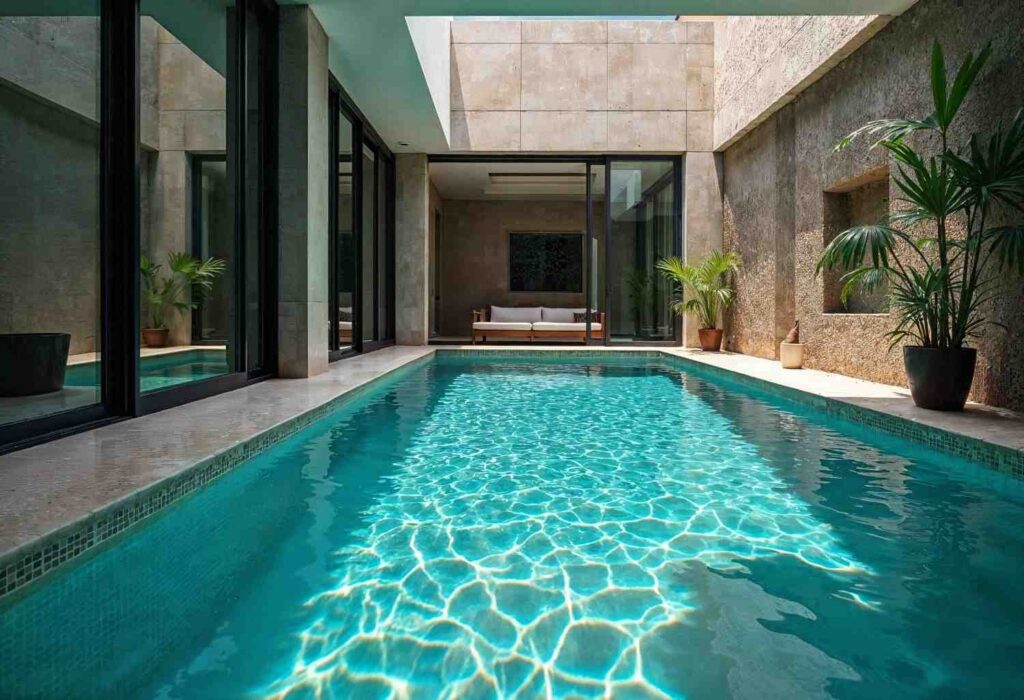
Understand the Main Types of Inground Pools

Concrete (Gunite) Pools

Concrete pools, often called gunite or shotcrete pools, offer the most design flexibility. Because they are built on-site, they can be customized to virtually any shape, size, or depth. This makes them a popular choice for homeowners with unique backyard layouts or specific design ideas.

  • Pros: Highly customizable, durable, and can be finished with a variety of materials like plaster, tile, or pebbles for a high-end look.
  • Cons: They have the longest installation time (often several months) and are typically the most expensive option upfront. The porous nature of concrete also means they require more intensive chemical maintenance and may need to be resurfaced every 10 to 15 years.

Fiberglass Pools

Fiberglass pools are factory-molded shells that are transported to your home and placed into an excavated hole. They come in a wide range of pre-designed shapes and sizes. The smooth, non-porous surface of a fiberglass pool is a significant advantage, as it inhibits algae growth and requires fewer chemicals than a concrete pool. For homeowners looking for durable and stylish inground pools in Utah, fiberglass is an increasingly popular option due to its resilience in various climates.

  • Pros: Quick installation (often just a few weeks), low long-term maintenance, and a durable, smooth surface.
  • Cons: Less design flexibility, as you are limited to the manufacturer’s molds. The size is also constrained by transportation limitations.

Vinyl Liner Pools

Vinyl liner pools are built with a metal or polymer frame that is set into the excavated hole. A custom-made vinyl liner is then fitted to the frame, creating the pool’s surface. This is generally the most affordable type of inground pool.

  • Pros: Lower initial cost, a smooth, non-porous surface, and the ability to customize the shape and size.
  • Cons: The liner is the least durable of the three options and will likely need to be replaced every 5 to 10 years. While the liner itself is smooth, care must be taken to avoid punctures from sharp objects.

Consider Your Site and Landscape

Your property’s specific conditions will play a major role in your pool project. A professional pool builder will conduct a site evaluation to assess factors like:

  • Yard Size and Shape: The available space will naturally limit the size and placement of your pool.
  • Access: Can heavy machinery and materials easily get to the proposed pool site? Tight access points can increase construction costs.
  • Slope: A sloped yard may require retaining walls or extensive grading, adding to the overall cost and complexity of the project.
  • Soil Conditions: Rocky or unstable soil can make excavation more difficult and expensive.
  • Utilities: The location of underground utility lines for water, gas, and electricity must be identified and worked around.

Local zoning laws and building codes are also critical. These regulations dictate setbacks (how far the pool must be from property lines and your house), fencing requirements, and other safety measures. An experienced local builder will be familiar with these rules and can ensure your project is fully compliant.

Consider Your Site and Landscape

Final Thoughts on Your Pool Journey

Choosing a new pool is a significant investment, but with careful planning and research, it can be a rewarding one. By defining your needs, understanding the different pool types, and considering the specifics of your property, you can make informed decisions that lead to a beautiful and functional backyard retreat. Consulting with experienced pool professionals can provide invaluable guidance, helping you navigate the process and bring your vision to life.


More From Author

Revive Your Ride The Ultimate List of Interior & Exterior Car Care Solutions

Revive Your Ride: The Ultimate List of Interior & Exterior Car Care Solutions

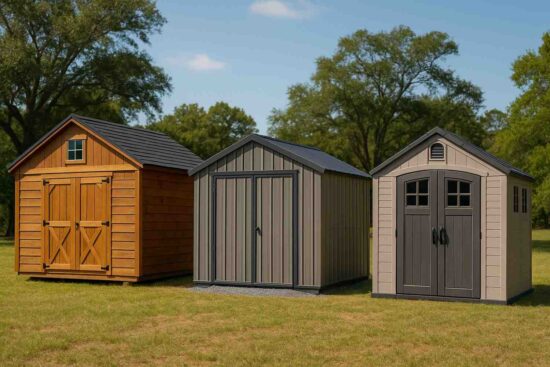
Choosing the Right Shed for Southern Climates

Choosing the Right Shed for Southern Climates

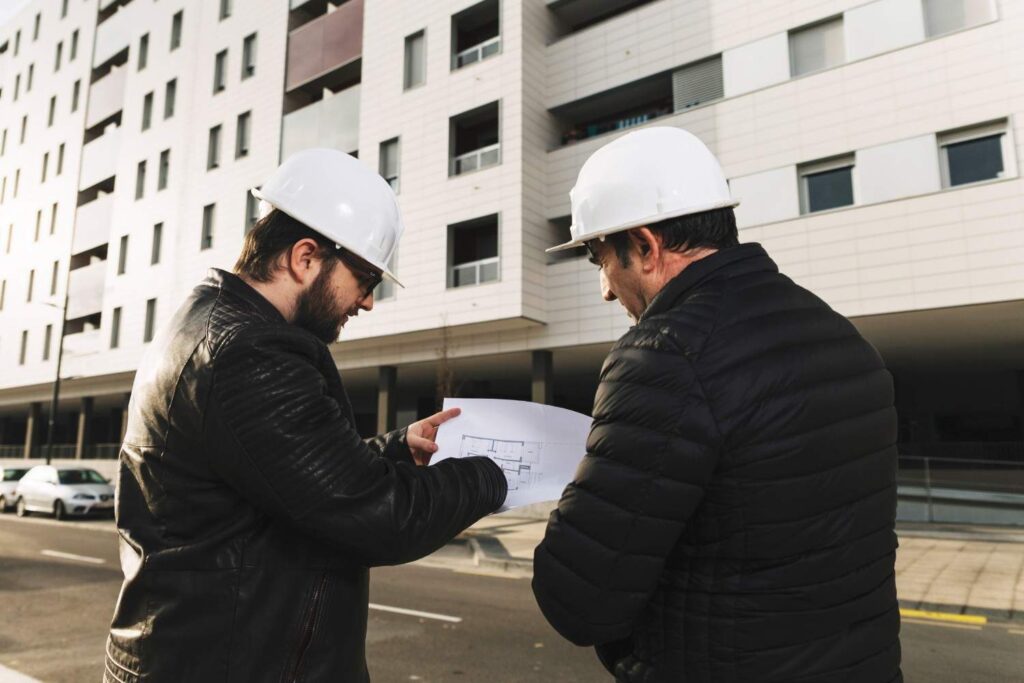
Ensuring Your Home’s Integrity: The Importance of Professional Building Inspections in Brisbane

Homeownership is a significant investment, and maintaining the integrity of this investment is essential for any homeowner. In the bustling city of Brisbane, where the harsh Australian elements can take a toll on structures, understanding the condition of your property is paramount. This is where professional building inspection Brisbane services come into play, offering homeowners peace of mind by ensuring that their property is in optimal condition.

Comprehensive Assessment of Property Condition

A professional building inspection goes beyond a mere cursory glance at the property. It involves a thorough and detailed evaluation of all accessible areas, including the roof, foundations, electrical systems, plumbing, and more. Such comprehensive assessments serve to identify any current issues that may require immediate attention as well as potential problems that could develop into serious concerns in the future.

A professional building inspection in Brisbane goes beyond a mere cursory glance at the property.

Expertise and Experience Matter

When it comes to building inspections, the expertise and experience of the inspector are crucial. Professionals in this field have the knowledge and tools to detect issues that may be invisible to the untrained eye. In Brisbane, where varying weather conditions can affect buildings in different ways, an inspector’s local knowledge can be invaluable. They understand the specific challenges that Brisbane properties face and are better prepared to provide relevant recommendations.

Unbiased and Objective Reporting

One of the key benefits of enlisting a professional service for a building inspection is the promise of an unbiased and objective report. Professional inspectors operate under a strict code of conduct, ensuring that they provide an honest and forthright assessment of each property, free from any emotional attachment or bias. This objectivity allows homeowners to make informed decisions based on factual information rather than assumptions or unqualified opinions.

Unbiased and Objective Reporting

Pre-Purchase Peace of Mind

Potential home buyers in Brisbane should consider a building inspection mandatory before finalising their purchase. It provides an extra layer of security and assurance. Knowing the exact state of the property can inform negotiations, potentially saving buyers from costly repairs or encouraging them to proceed with confidence.

Identifying Safety Hazards

A crucial aspect of a building inspection is the identification of safety hazards. This includes checking for the presence of asbestos, unstable structures, electrical safety issues, and other risks. Brisbane homeowners can protect their families and avoid legal liabilities by rectifying these hazards before they cause accidents or health problems.

Identifying Safety Hazards

Saving Money in the Long Term

While some may balk at the upfront cost of a professional building inspection, it is an investment that can save homeowners significant amounts of money in the long term. Early detection of problems such as termites, dampness, or structural damage can prevent the need for extensive, expensive repairs down the line.

Aligning with Australian Standards

A professional building inspection in Brisbane is conducted in alignment with Australian Standards AS 4349.1-2007. These standards dictate the requirements for the visual inspection of buildings, ensuring a consistent and reliable service that homeowners can trust.

Maintain Property Value

Regular building inspections help maintain and even increase the value of your property. By ensuring that all systems are functional and the structure is sound, homeowners can enhance the appeal of their property in Brisbane’s competitive real estate market.

Environmental Considerations

Environmental factors like Brisbane’s climate can affect the longevity and integrity of a property. Professional inspectors can assess how the environment impacts the building and provide advice on how to protect against elemental damage, such as corrosion or mould growth caused by humidity.

Post-Inspection Support

It’s not just the inspection that’s valuable but also the post-inspection support. A professional service will typically provide comprehensive reports, offer advice on rectifying any identified issues, and sometimes even assist in finding tradespeople to carry out necessary work.

Post-Inspection Support

Supporting Future Renovations

If you’re planning renovations or extensions to your Brisbane property, a professional building inspection can provide a solid foundation of knowledge about the existing structure. Before any new work begins, understanding the current state of the building can help to prevent future problems.

Legal Compliance and Insurance

Professional building inspections can also aid in ensuring that your property is compliant with local building regulations, which is essential for legal reasons and can affect insurance claims. Inspectors can spot any non-compliance issues, allowing homeowners to address them proactively.

Tailored Inspections to Specific Needs

One of the advantages of professional inspection services is the ability to tailor the inspection to suit specific needs. Whether it’s a concern about pests, the need for a pre-sale inspection, or a comprehensive check-up, services can be customised accordingly.

Conclusion

In summary, the integrity of your Brisbane home is an asset worth protecting. Professional building inspections provide a reliable and effective way to ensure that your property remains a safe, valuable, and enjoyable place to live. Whether you are buying, selling, renovating, or simply aiming to maintain your home, an inspection provides the insights you need for peace of mind and future planning. Do not overlook the benefits of securing a thorough building inspection Brisbane for your property.

More From Author

Securing Success The Essential Guide to Commercial Security Systems in Canberra

Securing Success: The Essential Guide to Commercial Security Systems in Canberra

Childcare Geraldton Nurturing Tomorrow's Leaders Today

Childcare Geraldton: Nurturing Tomorrow’s Leaders Today

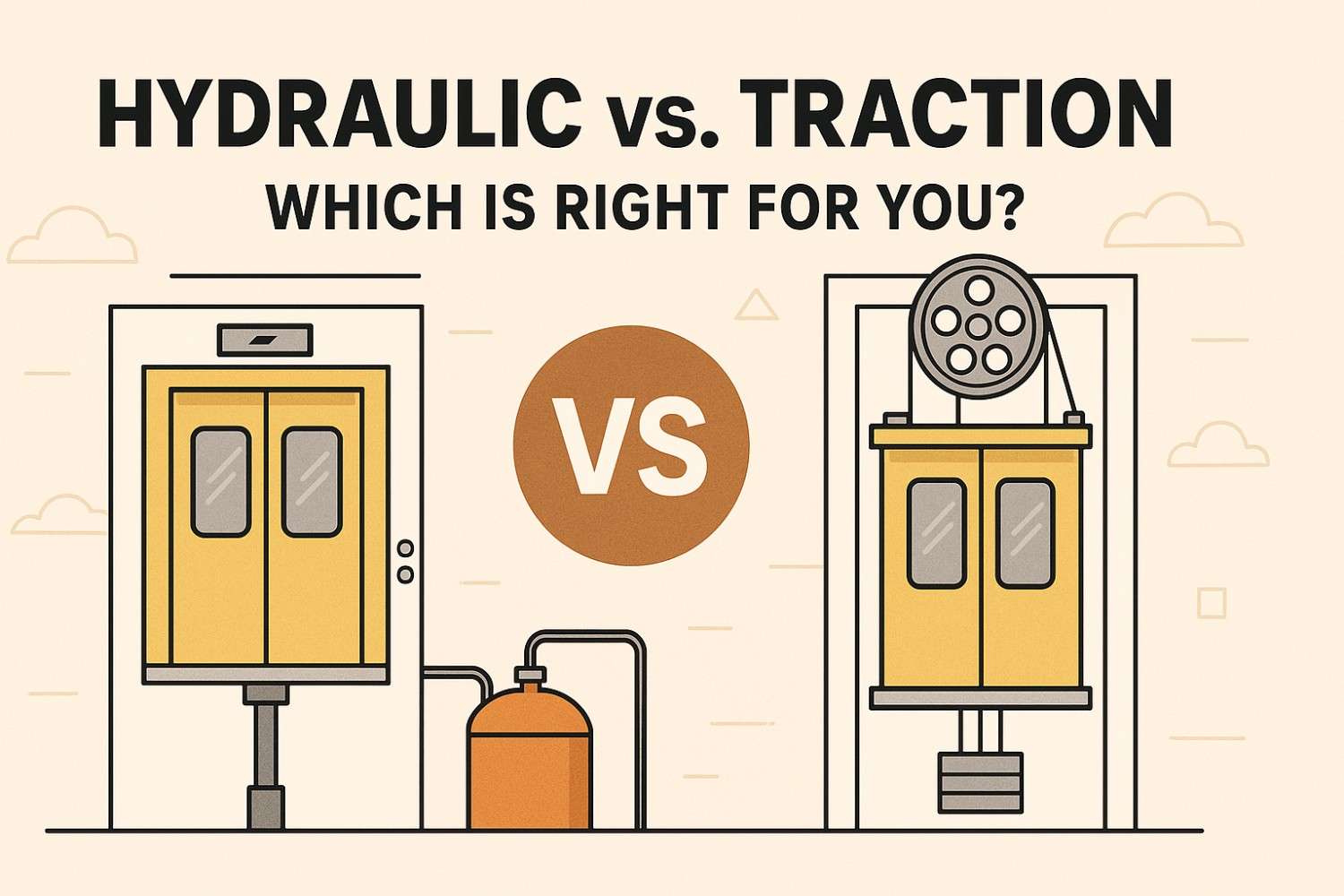
Hydraulic vs. Traction Elevators: Which Is Right for You?

When choosing an elevator, one of the most critical decisions is the lifting mechanism. The two most common types are hydraulic and traction elevators, each with its own features and benefits. Understanding the difference between them is key to selecting a safe, efficient, and cost-effective vertical transportation solution for your building.

Understanding Hydraulic Elevators

Hydraulic elevators operate on a simple yet powerful principle: fluid pressure. They use a piston inside a cylinder to lift the elevator car. An electric motor pumps hydraulic fluid—typically oil—from a tank into the cylinder, which pushes the piston up and raises the car. To descend, a valve releases the fluid, allowing it to flow back into the tank, and gravity gently lowers the car.

Understanding Hydraulic Elevators

How They Work

The core components of a hydraulic elevator system include a pump, a fluid reservoir (tank), a cylinder, and a piston. When a user presses the “up” button, the pump activates and forces the hydraulic fluid into the cylinder. The accumulating fluid pressure pushes the piston upward, lifting the elevator car with it. The descent is even simpler. The system’s controller opens a valve, and the weight of the car and its passengers forces the fluid out of the cylinder and back into the reservoir, causing a smooth downward movement.

Advantages of Hydraulic Elevators

  • Cost-Effectiveness: Hydraulic elevators generally have a lower initial purchase and installation cost compared to traction systems. Their mechanical design is simpler, requiring fewer components in the hoistway.
  • High Lifting Capacity: The power of hydraulics allows these elevators to lift heavy loads. This makes them an excellent choice for freight elevators or applications where transporting bulky goods is a priority.
  • Compact Design: Since the lifting mechanism is located at the bottom of the hoistway in a machine room, there is no need for an overhead machine room, which can save space in the building’s design.

Disadvantages of Hydraulic Elevators

  • Slower Speed: Hydraulic systems are typically slower than traction elevators, with speeds usually ranging from 100 to 150 feet per minute. This can lead to longer wait times in buildings with heavy foot traffic.
  • Height Limitations: The piston’s length limits the travel height of a hydraulic elevator, making it suitable only for low-rise buildings, generally up to about six stories.
  • Environmental Concerns: Traditional hydraulic systems that use in-ground cylinders pose a risk of oil leakage, which can contaminate soil and groundwater. Modern “holeless” designs mitigate this risk, but the potential for leaks in the machine room remains. They also tend to be less energy-efficient, as the motor works against gravity to lift the car.

Common Applications

Given their strengths and limitations, hydraulic elevators are most commonly found in:

  • Low-rise commercial buildings (2-6 stories).
  • Residential buildings, including single-family homes looking for an elevator for homes in Boise, ID.
  • Freight and material handling applications in warehouses and industrial facilities.
  • Buildings where initial cost is a primary consideration.

Exploring Traction Elevators

Traction elevators are the standard for mid-rise and high-rise buildings. They use a system of steel ropes or belts, a pulley (also known as a sheave), and a counterweight to move the elevator car up and down the hoistway.

Exploring Traction Elevators

How They Work

In a traction system, the elevator car is attached to steel ropes that loop over a sheave connected to an electric motor. On the other end of the ropes is a counterweight, which weighs roughly the same as the elevator car when it’s filled to 40-50% of its capacity. This balance is crucial. The motor doesn’t have to lift the full weight of the car; instead, it only needs to lift the difference in weight between the car and the counterweight. When the car goes up, the counterweight goes down, and vice versa. The friction—or traction—between the ropes and the sheave is what moves the car.

There are two main types of traction elevators:

  • Geared Traction: These use a gearbox to connect the motor and the sheave, which helps control the movement. They are suitable for mid-speed applications, typically up to 500 feet per minute.
  • Gearless Traction: In this design, the sheave is directly attached to the motor. This allows for much higher speeds (up to 2,000 feet per minute or more) and a smoother ride, making them ideal for high-rise buildings.

Advantages of Traction Elevators

  • High Speed: Traction elevators are significantly faster than hydraulic systems, making them perfect for tall buildings where reducing travel time is essential.
  • No Height Restrictions: Because they don’t rely on a piston, traction elevators can serve buildings of any height, from mid-rise structures to the world’s tallest skyscrapers.
  • Energy Efficiency: The use of a counterweight balances the load, meaning the motor uses far less energy to move the car. Modern gearless traction systems with regenerative drives can even capture energy during descent and feed it back into the building’s electrical grid.

Disadvantages of Traction Elevators

  • Higher Initial Cost: The complexity of the system, including the motor, ropes, and safety equipment, results in a higher purchase and installation cost.
  • Complex Installation and Maintenance: Installing a traction elevator is more intricate, and the maintenance requirements are more demanding due to the greater number of moving parts.
  • Overhead Machine Room: Traditional traction elevators require a machine room above the hoistway to house the motor and control systems, though modern Machine-Room-Less (MRL) designs integrate these components into the hoistway itself.

Common Applications

Traction elevators are the go-to choice for:

  • Mid-rise and high-rise office buildings.
  • Hotels and residential skyscrapers.
  • Hospitals and airports with high passenger traffic.
  • Any building where speed and ride quality are top priorities.

Hydraulic vs. Traction: A Side-by-Side Comparison

Feature Hydraulic Elevator Traction Elevator
Speed Slower (up to 150 ft/min) Faster (up to 2,000 ft/min)
Travel Height Low-rise (up to 6 stories) No height limit
Initial Cost Lower Higher
Energy Efficiency Lower Higher (especially gearless)
Lifting Capacity Excellent for heavy loads Standard passenger loads
Ride Quality Generally smooth Very smooth, especially gearless
Installation Simpler More complex
Environmental Potential for oil leaks More eco-friendly

How to Choose the Right Elevator

Selecting the right elevator depends on a careful evaluation of your building’s needs. Consider these factors:

1. Building Height: This is the most straightforward consideration. For buildings over six stories, a traction elevator is the only viable option. For low-rise buildings, either type could work.

2. Usage and Traffic: How many people will use the elevator, and how frequently? For high-traffic environments like busy office buildings or hospitals, the speed of a traction elevator is necessary to prevent long waits. For a low-traffic residential building, a hydraulic elevator’s slower speed is often acceptable.

3. Budget: If upfront cost is the primary driver, a hydraulic elevator is often the more attractive choice. However, it’s important to consider long-term operating costs. A traction elevator’s energy efficiency may lead to significant savings over the life of the system.

4. Load Requirements: If the elevator will be used to transport heavy goods, such as in a warehouse or for moving furniture in a residential building, a hydraulic system’s superior lifting capacity is a major advantage.

Conclusion

The choice between hydraulic and traction elevators is evolving with technology. MRL traction elevators are now viable for low-rise buildings, offering energy efficiency and space savings. Meanwhile, advancements in hydraulic systems, like biodegradable oils and efficient pumps, address their traditional drawbacks.

More From Author

Choosing the Right Driveway Materials, Costs, and Design Tips

Choosing the Right Driveway: Materials, Costs, and Design Tips

How to Streamline Pharmaceutical Product Development Processes

How to Streamline Pharmaceutical Product Development Processes

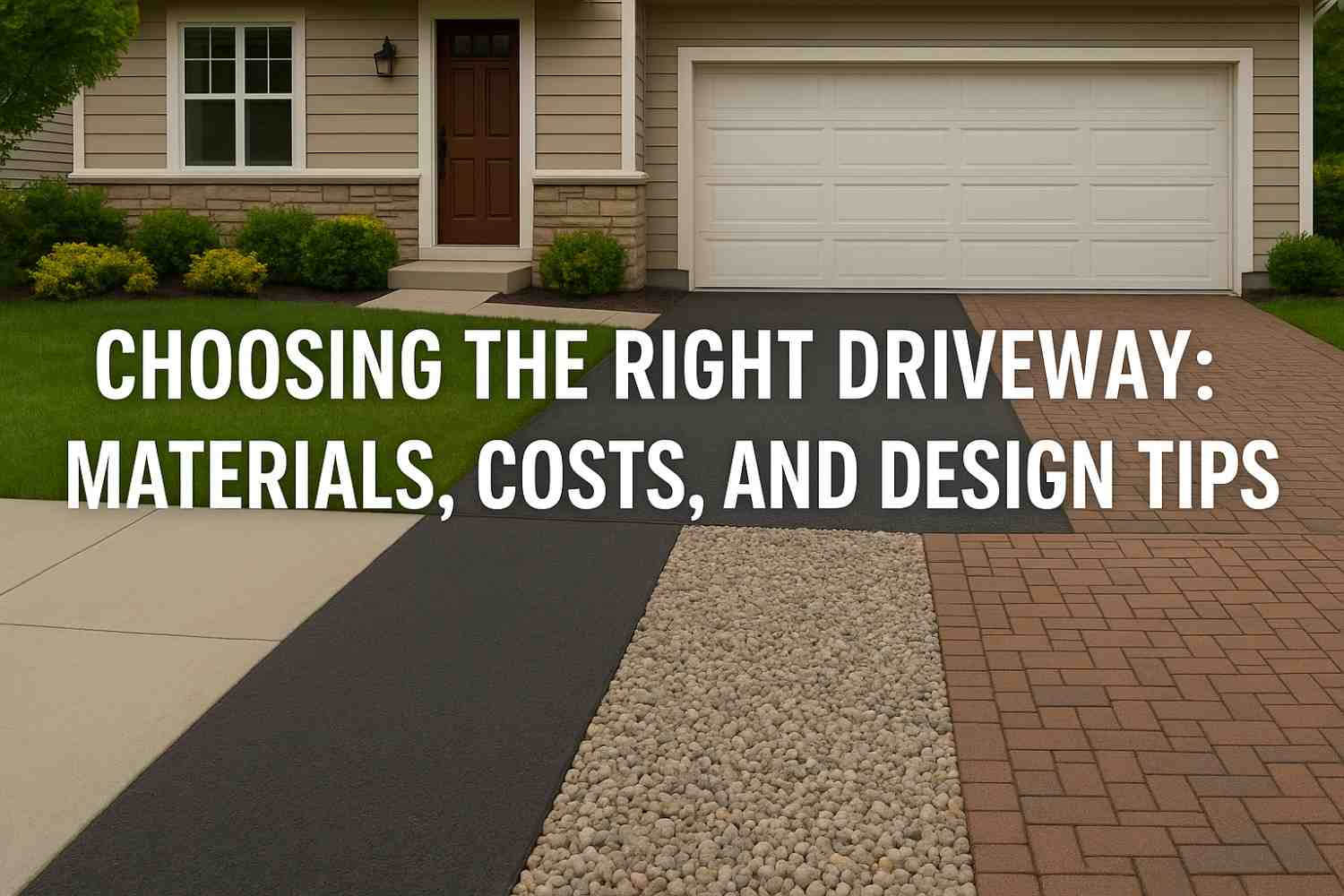
Choosing the Right Driveway: Materials, Costs, and Design Tips

When it comes to boosting your home’s curb appeal and functionality, your driveway plays a bigger role than you might think. It’s one of the first things people see when they visit your property, and it also has to withstand the daily wear and tear of vehicles, weather, and time. Choosing the right driveway involves understanding your material options, budget considerations, and design preferences. Here’s a helpful guide to get you started—complete with practical tips to make the most of your investment.

Popular Driveway Materials

The material you choose greatly impacts how your driveway looks, feels, and performs. Here are the top options:

Popular Driveway Materials

1. Concrete

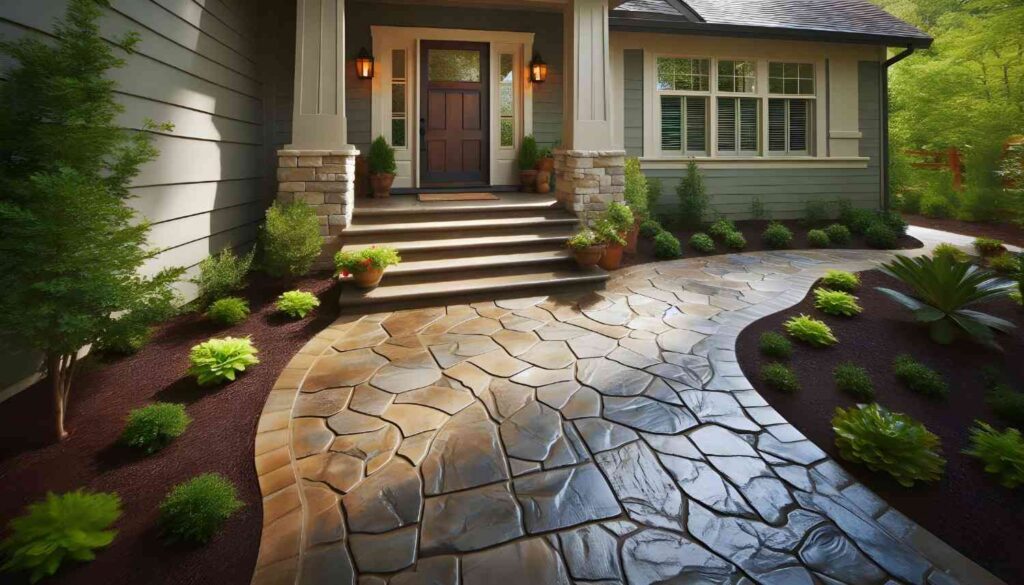
Concrete is one of the most popular choices for driveways, and for good reason. It’s durable, low-maintenance, and can last 30 years or more with proper care. Homeowners also love the versatility—concrete can be broom-finished, stained, or even stamped for an elevated look. It’s ideal for most climates, though freezing and thawing cycles can cause cracks over time if not properly sealed.

2. Asphalt

Asphalt is another favorite due to its affordability and smooth finish. It’s more flexible than concrete, which makes it less prone to cracking. Asphalt driveways offer a sleek, black look that enhances many architectural styles. However, they do require periodic resealing—typically every three to five years—to maintain their appearance and lifespan.

3. Gravel

For rural properties, cabin homes, or homeowners on a budget, gravel is a practical choice. It’s easy to install and allows for excellent drainage. Gravel driveways can be customized with different stone colors and sizes for a charming, rustic appeal. The trade-off? They require more upkeep, such as periodic raking and replenishing to keep the surface even.

4. Pavers

Pavers provide the most design flexibility, offering patterns, colors, textures, and shapes that can dramatically enhance your home’s exterior. Interlocking pavers are highly durable and easy to repair since individual stones can be replaced. While they come with a higher upfront cost, the long-term aesthetic and functional benefits often make them worth the investment.

5. Resin-Bound Driveways

A modern choice, resin-bound driveways deliver a smooth, seamless appearance using stone mixed with resin. They’re permeable, making them a great solution for areas where water runoff is a concern. They’re stylish and durable, but installation requires a skilled professional.

Cost Considerations

Every material comes with its own cost range. Here’s a general breakdown to help you estimate what fits your budget:

Driveway Design Tips

  • Concrete: Moderate to high cost, depending on thickness, size, and finishing options.
  • Asphalt: Usually less expensive than concrete, making it a cost-effective choice for larger driveways.
  • Gravel: The most affordable upfront but requires ongoing maintenance.
  • Pavers: Higher upfront cost, but long-lasting and visually appealing.
  • Resin-bound: Comparable to higher-end pavers, depending on style and installer.

Keep in mind that preparation is a major part of the total cost. Grading, excavation, and base installation are essential steps for stability. If you hire a professional, labor costs will be included, but if you’re tackling a portion of the project yourself—perhaps by hauling materials using a concrete trailer—you can save money.

Driveway Design Tips

Choosing your driveway is more than selecting a material—you’ll also want to think about design.

Choosing the Right Driveway based on cost range

1. Match Your Home’s Architecture

Your driveway should complement your home’s style. For example, a modern home looks great with sleek concrete or pavers, while a farmhouse may pair well with gravel or textured surfaces.

2. Think About Function

Consider how you use the space. Do you need room for multiple vehicles? Want extra width for walking paths? Prefer a circular layout? Map out your needs before settling on a design.

3. Plan for Drainage

Poor drainage can cause cracks, erosion, and puddles. Ensure your driveway slopes away from your home to direct water properly. Permeable materials like gravel or resin-bound options offer built-in drainage benefits.

4. Add Visual Interest

Borders, patterns, and decorative stains can elevate even basic materials. Subtle design touches can make your driveway feel like a true extension of your home’s exterior.

5. Prioritize Long-Term Maintenance

Each material has its own care routine. Be honest about how much maintenance you’re willing to perform or hire out. A well-maintained driveway not only lasts longer but also maintains its visual appeal.

Final Thoughts

Selecting the right driveway doesn’t have to be overwhelming. By understanding your material options, knowing your budget, and choosing a design that fits your lifestyle and home, you can create a driveway that adds beauty and function for years to come. Whether you lean toward timeless concrete or intricate pavers, the right choice will enhance both your daily convenience and your home’s overall charm.

More From Author

How to Breathe Easier at Home

Better Indoor Air Quality: How to Breathe Easier at Home

Hydraulic vs. Traction Elevators Which Is Right for You

Hydraulic vs. Traction Elevators: Which Is Right for You?

Better Indoor Air Quality: How to Breathe Easier at Home

The air inside your home might feel safe and clean, but it can actually harbor more pollutants than the air outdoors. From dust and pet dander to volatile chemicals and mold spores, indoor air contaminants can significantly impact your health and comfort. Poor air quality doesn’t just make your space feel stuffy—it can trigger allergies, worsen asthma, and cause fatigue or headaches.

Fortunately, improving your indoor air quality is easier than you might think. With a few smart adjustments and routine maintenance habits, you can ensure your home remains a fresh and healthy haven.

1. Keep It Clean: Dust, Vacuum, and Declutter

The simplest way to start improving your indoor air quality is with regular cleaning. Dust and dirt easily build up on surfaces, carpets, and furniture, trapping allergens that continuously circulate through your air.

Keep It Clean - Dust, Vacuum, and Declutter

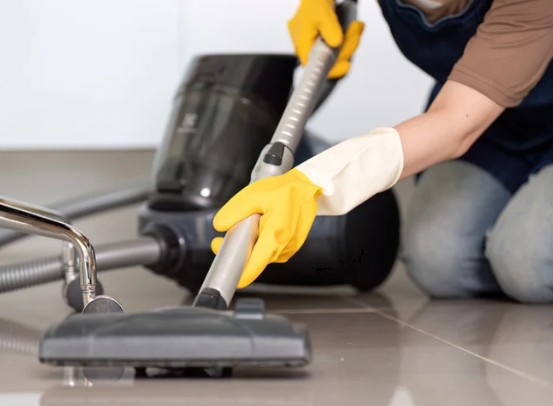
Use a vacuum with a HEPA filter to capture fine particles like pollen and pet hair. Mop hard floors frequently and dust surfaces with a damp cloth rather than a feather duster, which tends to stir up debris. Reducing clutter also minimizes the number of surfaces where dust can settle.

If you have pets, be sure to wash their bedding often and brush them outdoors to reduce shedding. These small steps can dramatically improve your air—just like switching to safer products found in safe DIY toilet cleaner or natural counter cleaner tutorials.

2. Replace Air Filters Regularly

Your HVAC system’s air filter plays a critical role in trapping airborne particles before they circulate through your home. However, a dirty or clogged filter can’t do its job effectively. In fact, it can restrict airflow and cause your system to work harder—wasting energy and lowering air quality.

Check your air filter at least once a month and replace it every one to three months, depending on your system and environment. If you live in an area with high dust levels or have pets, more frequent replacements may be needed.

Consider upgrading to a higher-rated MERV filter to capture smaller particles like smoke and bacteria—but always ensure compatibility with your system for best performance. Keeping filters clean parallels the basic maintenance highlighted in home-care guides, like spring cleaning the bathroom.

3. Maintain Your HVAC System

Your heating and cooling system is at the heart of your indoor air circulation, so keeping it well-maintained is crucial. Schedule professional inspections and maintenance at least once a year to ensure everything is operating efficiently.

During colder months, this includes tasks like checking your furnace, cleaning ducts, antdoor air quality is poor—due to pollen, smoke,d ensuring vents are unobstructed. For example, a furnace tune up in Draper can help remove dust buildup, improve efficiency, and reduce the circulation of contaminants in your home’s air. Routine maintenance not only boosts air quality but also extends the lifespan of your HVAC system.

4. Control Humidity Levels

Excess moisture can lead to mold growth, one of the biggest threats to indoor air quality. Mold spores can cause respiratory irritation, allergies, and other health issues. On the other hand, air that’s too dry can lead to irritated sinuses, dry skin, and static electricity.

Use a dehumidifier in damp areas like basements or bathrooms to keep humidity levels between 30% and 50%. In dry climates or during winter, a humidifier can add necessary moisture to the air—just make sure to clean it regularly to prevent bacterial growth.

Proper ventilation is also key. Use exhaust fans when cooking or showering to remove steam and odors from your home.

5. Introduce Air-Purifying Plants

Introduce Air-Purifying Plants

Nature can lend a helping hand in cleaning your indoor air. Certain houseplants, such as spider plants, peace lilies, and snake plants, can absorb harmful toxins like formaldehyde and benzene while releasing fresh oxygen.

While plants alone can’t replace proper ventilation or filtration, they’re an excellent complement to other air-cleaning methods. Plus, they add beauty and serenity to your space—a win for both air and mood.

6. Be Mindful of Chemical Pollutants

Many household products—cleaners, paints, and air fresheners—contain volatile organic compounds (VOCs) that can linger in your indoor air long after use. These chemicals can cause dizziness, nausea, and irritation of the eyes and throat.

Opt for natural or low-VOC cleaning products, and use them in well-ventilated areas. Consider switching to fragrance-free detergents and avoid aerosol sprays whenever possible. When painting or refinishing furniture, keep windows open to promote airflow and reduce exposure to fumes.

7. Improve Ventilation

A well-ventilated home allows fresh outdoor air to replace stale indoor air, diluting pollutants and odors. Whenever weather permits, open your windows for a few minutes each day to let your home “breathe.”

If outdoor air quality is poor—due to pollen, smoke, or smog—keep windows closed and rely on mechanical ventilation or an air purifier with a HEPA filter. Whole-house ventilation systems are also a great investment for consistent airflow. Improving circulation aligns with other home-care efficiencies discussed in innovative designs for space-saving air systems.

Final Thoughts

Good indoor air quality is essential for maintaining both your comfort and long-term health. By cleaning regularly, maintaining your HVAC system, managing humidity, and minimizing chemical exposure, you can create a home environment that truly supports your well-being.

Breathe easier knowing that every small change—from swapping out an air filter to adding a few green plants—brings you closer to a fresher, cleaner, and healthier living space.

More From Author

Guide to Big Game Hunting

The Ultimate Guide to Big Game Hunting

Choosing the Right Driveway Materials, Costs, and Design Tips

Choosing the Right Driveway: Materials, Costs, and Design Tips

Curb Appeal on a Budget: Transform Your Home’s Exterior for Less

First impressions are powerful, and the first impression your home makes happens at the curb. A welcoming exterior not only boosts your personal pride but can also increase your property’s value. Enhancing your home’s outward appearance doesn’t require a massive budget or a complete overhaul. With a little creativity and effort, you can achieve a stunning transformation for less.

This guide provides practical, low-cost strategies to elevate your home’s exterior. We will explore simple projects that deliver a significant impact, from refreshing your landscape to adding thoughtful details that make your property stand out. 

Refresh Your Greenery

Refresh Your Greenery

A lively, well-kept landscape is the foundation of great curb appeal. Overgrown bushes, patchy grass, and untamed weeds can make a home look neglected. Fortunately, sprucing up your yard is one of the most cost-effective ways to improve its look. If you enjoy maintaining your space naturally, you’ll appreciate tips like those in Natural Kitchen Cleaners.

Clean and Define Garden Beds

Start by pulling weeds and clearing out any dead plants or debris from your flower beds. Next, create a crisp, defined edge around the beds using a simple garden spade. This clean line separates your lawn from your garden, creating a professional and polished look. Finish by adding a fresh layer of mulch. Mulch not only suppresses weeds and retains moisture but also provides a rich, uniform backdrop that makes your plants pop.

Add Color with Potted Plants

You don’t need to install a whole new garden to add vibrant color. Container gardening is a flexible and affordable alternative. Purchase a few attractive pots and fill them with seasonal flowers. You can place them on your front porch, along walkways, or in empty spots in your garden beds. Annuals are an inexpensive choice for brilliant, season-long color. If you’re enhancing your outdoor spaces, you might also enjoy creative backyard recipes like the homemade nachos with leftover roast beef recipe for easy outdoor snacking.

Focus on the Front Door

Your front door is the focal point of your home’s exterior. Making it a welcoming centerpiece is a simple project that yields impressive results. A drab or worn-out entrance can detract from even the most beautiful home.

A Fresh Coat of Paint

One of the quickest and most impactful updates you can make is painting your front door. A bold color like a deep red, navy blue, or cheerful yellow can add a splash of personality. If you prefer a more classic look, a fresh coat of black or white can make it look brand new. Make sure to properly clean and sand the door before painting for a smooth, lasting finish. While working on simple weekend updates, you might also try a fun treat like a Halloween sugar cookie-friendly Frankenstein recipe.

Upgrade Your Hardware

Dingy, outdated hardware can age your entrance. Replacing the doorknob, lockset, and kick plate is a minor change with a major effect. New hardware in a modern finish like matte black or brushed nickel can instantly update the look. Consider adding a new, stylish house number that is easy to read from the street to complete the refresh.

Clean and Repair Surfaces

Over time, dirt, grime, and mildew can build up on your home’s siding, walkways, and driveway. A thorough cleaning can make your entire property look brighter and better maintained.

The Power of a Pressure Washer

Renting or borrowing a pressure washer for a weekend can be a game-changer. Use it to wash away years of buildup from your siding, porch, patio, and concrete paths. The difference can be dramatic, revealing the true color of your surfaces and making them look new again. Be sure to use the correct nozzle and pressure setting for each material to avoid causing damage.

Address Minor Repairs

Take a walk around your property and look for small issues that need attention. A cracked paver, a loose shutter, or a clogged gutter might seem insignificant on its own, but together they can make a property look unkempt. These small repairs are typically inexpensive and require basic DIY skills, yet they contribute to a cohesive, well-cared-for appearance. Even small investments, like replacing a single cracked pane instead of getting entirely new custom windows in Salt Lake City, can make a difference.

Enhance with Lighting and Accessories

Enhance with Lighting and Accessories

The right details can tie your home’s exterior look together. Strategic lighting and well-chosen accessories add charm and character, making your home feel inviting day and night.

Illuminate Your Exterior

Outdoor lighting enhances safety and adds a warm, ambient glow. You don’t need to hire an electrician for this. Solar-powered pathway lights are an affordable, easy-to-install option for lighting up walkways. You can also add a new, stylish porch light fixture to update your entryway. These small touches make a big impact after the sun goes down.

Accessorize Thoughtfully

Simple accessories can complete your home’s look. A new welcome mat, a seasonal wreath for the front door, or a pair of symmetrical planters can add a finishing touch. The key is to choose items that complement your home’s style and avoid creating clutter.

By focusing on these budget-friendly projects, you can significantly boost your home’s curb appeal. Take the first step today and transform your home’s exterior into a beautiful and inviting space you can be proud of.

More From Author

49ers vs Arizona Cardinals Match Player Stats In‑Depth Breakdown & Key Performances

49ers vs Arizona Cardinals Match Player Stats: In‑Depth Breakdown & Key Performances

4 Innovative Designs for Space-Saving Air Systems

4 Innovative Designs for Space-Saving Air Systems